ICJ Rules Myanmar Committed Genocide Against the Rohingya in Historic Verdict
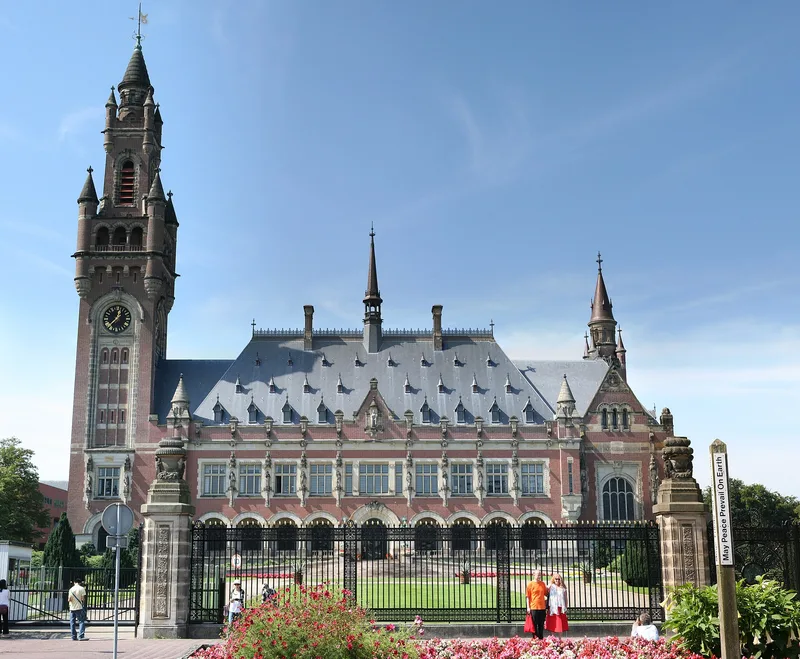
The myanmar genocide ruling delivered by the International Court of Justice on 19 November 2026 marks a turning point in international law. The court at The Hague found that Myanmar committed genocide against the Rohingya Muslim minority in northern Rakhine State, in violation of the 1948 Genocide Convention. The decision, reached by a 9 to 6 majority of the 15 judge panel, was read out by ICJ President Yuji Iwasawa in a session that lasted three hours.
It is the first time since the court’s establishment in 1945 that a state has been found responsible for genocide. It is also only the fourth time since the Nazi Holocaust that an international court has ruled the crime was committed. The verdict closes the case brought by The Gambia in November 2019, and it orders restitution and reparations for the victims.
Table of Contents
How the Court Reached Its Verdict
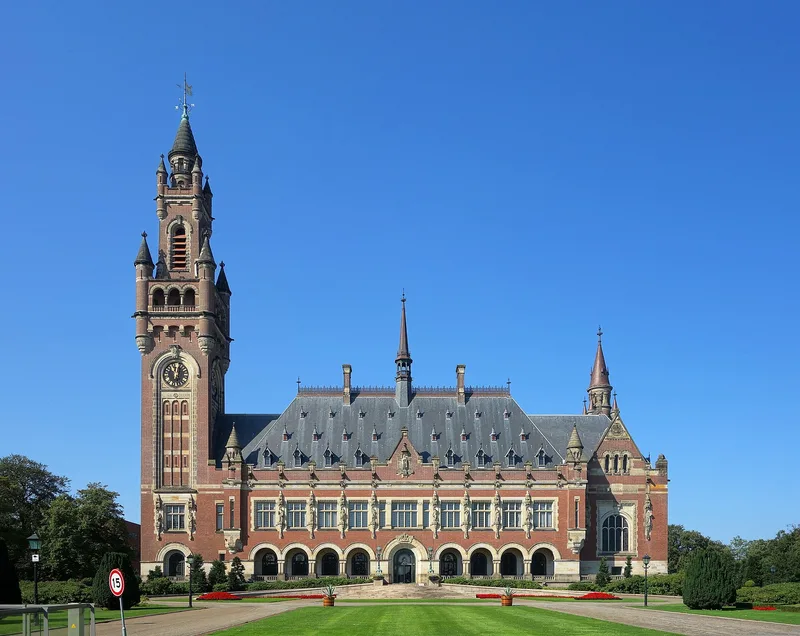
The case was brought by The Gambia in November 2019, acting on behalf of the 57 members of the Organisation of Islamic Cooperation. The Gambia asked the court to rule on whether Myanmar’s treatment of the Rohingya breached the Genocide Convention, which Myanmar itself had signed. Public hearings on the merits took place from 12 to 29 January 2026.
The panel of 15 judges then spent months weighing the evidence. President Yuji Iwasawa read the verdict over three hours, setting out the court’s reasoning in detail. The 9 to 6 majority shows the judges were divided, but the majority was clear the evidence met the high legal bar for genocide, which requires proof not only of terrible acts but of a specific intent to destroy a protected group, in whole or in part.
The verdict also arrives amid a busy period for international diplomacy, which has included the first-ever trilateral summit in Shenzhen.
The Evidence Behind the Finding
The court heard that Myanmar security forces killed about 10,000 Rohingya during the campaign in Rakhine State. Witnesses described the killing of thousands of civilians, widespread sexual violence and extreme violence against children. Rohingya who tried to flee were attacked as they ran, with no safe route out.
Entire villages were systematically destroyed, and non-Rohingya residents were then moved in to replace the people driven out. The court concluded that there was “genocidal intent” behind the campaign, and that the “only reasonable inference” from the evidence was an intent to destroy a substantial part of the Rohingya group.
That finding of intent is what separates genocide from other grave crimes under international law. Mass killing alone does not prove genocide: the court had to be satisfied the acts were carried out to destroy the group itself, and it found the evidence pointed in only one direction.
Four Genocidal Acts Proven
The court found four distinct genocidal acts had been proven against Myanmar. The first was mass killing, with about 10,000 Rohingya killed by security forces. The second was forced displacement, as hundreds of thousands were driven from their homes into Bangladesh.
The third was the infliction of serious harm, including widespread sexual violence and extreme violence against children. The fourth was the prevention of births, after evidence showed that Rohingya were forced into a birth control programme. Together, the judges found, these four acts formed a coordinated campaign aimed at the destruction of the group.
Myanmar’s defence was that its forces were carrying out a legitimate operation against ARSA insurgents, after the group attacked police posts. The court rejected that argument, finding the scale of the violence went far beyond any lawful response to an insurgency.
What Myanmar Must Do Now
The ruling sets out binding orders for Myanmar. The country must cease the violence, investigate those responsible and punish them. It must allow the safe, voluntary and dignified return of the refugees who fled to Bangladesh, and provide restitution and reparations to the victims.
Those reparations include returning or replacing damaged collective property, searching for the disappeared, providing proper burials for the dead, and offering physical and psychological rehabilitation to survivors. Myanmar must also protect the Rohingya from further persecution. Within two years it must report to the court on its restitution and compensation plan, with the amount to be decided in a later phase.
The ruling is final, and there is no appeal. The ICJ cannot enforce its own judgments directly, but it can report noncompliance to the UN Security Council. The court relies on the willingness of states and the Council to give its orders effect, a limit that echoes debates elsewhere about judicial power, including the case in which Trump asks Supreme Court to limit judges’ power.
The 2017 Crackdown and Its Aftermath
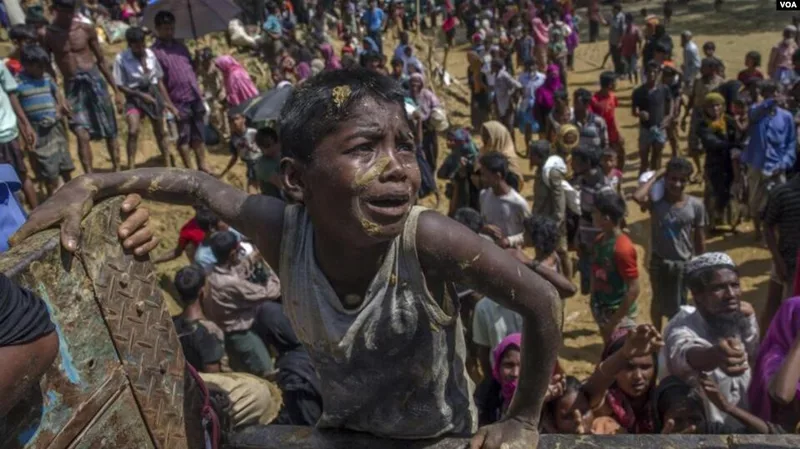
The case grew out of the crackdown that began in 2017, when Myanmar’s military launched a sweeping operation in Rakhine State. More than 700,000 Rohingya were forced to flee to Bangladesh, with some estimates putting the figure at more than 730,000. The United Nations called the crackdown a textbook case of ethnic cleansing.
About 1.3 million Rohingya remain displaced, including around 1.2 million people in the camps at Cox’s Bazar in Bangladesh. Spread across 33 camps, it is the world’s largest refugee settlement, where many families have spent years in crowded conditions with limited prospects of return.
The roots of the crisis run deeper than 2017: the Rohingya were stripped of their citizenship in the 1980s, leaving them stateless and exposed. That exclusion is one reason the court’s orders on return, restitution and protection matter so much. Aid agencies in Cox’s Bazar are already stretched, and global inflation hits 4.7 percent adds to the cost of food, shelter and medical care.
Reactions and Wider Implications
Amnesty International welcomed the verdict as a rare victory for survivors, saying the accountability process must now follow. Human rights lawyer Toby Cadman noted the ICJ had never before found that a state had the specific intent to commit genocide.
Observers say the verdict may also have implications for the separate Gaza genocide case against Israel, which is before the same court. The ruling sets a precedent on how the court assesses evidence of genocidal intent, and lawyers in other cases will study it closely.
Attention is also turning to Min Aung Hlaing, who oversaw the campaign and is now Myanmar’s president after engineered elections. He faces a request made in 2024 for an International Criminal Court arrest warrant, on charges of crimes against humanity including deportation and persecution. The ICJ verdict brings no criminal charges against individuals, but it adds weight to calls for personal accountability.
Frequently Asked Questions
What did the ICJ rule about Myanmar?
The court ruled Myanmar committed genocide against the Rohingya Muslim minority in northern Rakhine State, violating the 1948 Genocide Convention. The 9 to 6 majority decision is the first time in the court’s 80 year history that a state has been found responsible for genocide.
Who brought the case against Myanmar?
The Gambia brought the case in November 2019, acting on behalf of the 57 members of the Organisation of Islamic Cooperation. Public hearings on the merits were held from 12 to 29 January 2026, before the verdict on 19 November 2026.
What evidence did the court rely on?
The court found about 10,000 Rohingya were killed, alongside widespread sexual violence, extreme violence against children and attacks on people fleeing. Villages were systematically destroyed and replaced with non-Rohingya residents. The court found “genocidal intent”, concluding the “only reasonable inference” was an intent to destroy a substantial part of the group.
What must Myanmar do now?
Myanmar must cease the violence, investigate and punish those responsible, allow the safe, voluntary and dignified return of refugees, and provide restitution and reparations. Within two years it must report on its restitution and compensation plan, with the compensation amount to be decided in a later phase.
Can the ruling be appealed or enforced?
The ruling is final and there is no appeal. The ICJ cannot enforce its judgments directly, but it can report noncompliance to the UN Security Council. The court’s orders are binding on Myanmar under international law.
Conclusion
The myanmar genocide ruling is a landmark in international law, and a long awaited moment for the Rohingya survivors who waited years for a court to hear their case. The judgment confirms what survivors, investigators and the United Nations have said since 2017, and it places binding obligations on Myanmar to stop the violence, allow refugees home and make reparations. Whether those orders are carried out will now depend on political will, at the Security Council and beyond. For the families still in the camps at Cox’s Bazar, the verdict is a foundation on which justice and return must now be built.
