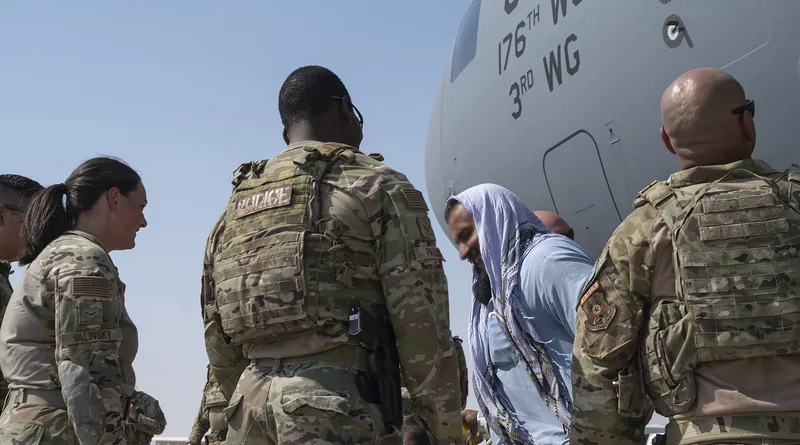
Iran Attacks Kuwait US Base After American Strike on Qeshm Island
Iran launched drone attacks against a United States military base in Kuwait early on Wednesday, November 18, 2026, in retaliation for an American strike on Iranian soil a day earlier. The Iranian army said its drones targeted Ali Al Salem Air Base, which hosts US forces, including Patriot air defence systems and drone and missile launch platforms. Kuwait said its air defences intercepted the drones and reported no damage, while Bahrain said its defences also repelled Iranian attacks before dawn. The strikes widened a war that began in February and has now spread across the Gulf states that host American troops.
Table of Contents
Iran Attacks Kuwait: What Happened at Ali Al Salem
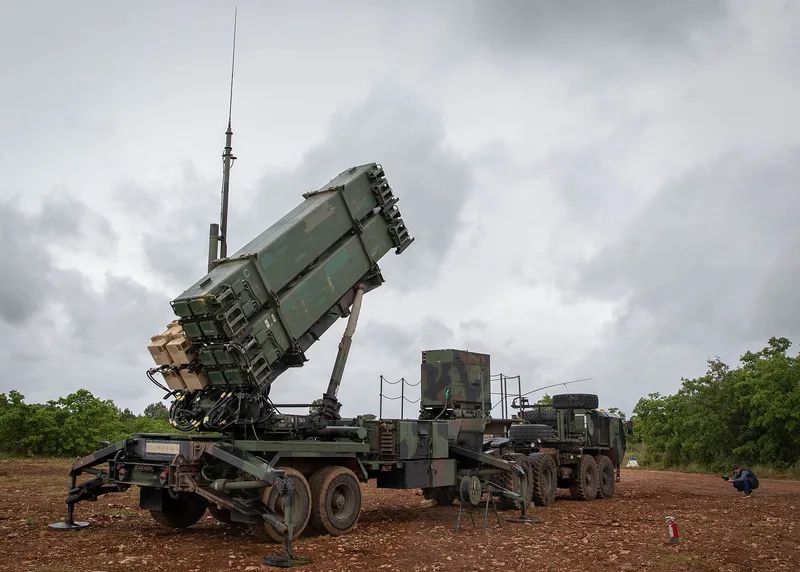
The Iranian army claimed early on Wednesday that its drones had targeted US forces at Ali Al Salem Air Base in Kuwait. In a statement carried by Iranian state television, the army said the drones targeted Patriot air defence systems and drone and missile launch platforms belonging to the US military at the base. The claim was reported by the Associated Press and other major outlets, but it has not been independently confirmed, and no images of damage at the base have been published.
Kuwait’s army said on Wednesday that its air defences were responding to hostile drone threats and urged the public to follow official safety guidance. Kuwaiti officials said the explosions heard across the country were interceptions by air defence systems, and they reported no damage and no casualties. US Central Command, which oversees US forces in the Middle East, did not immediately comment on the attack.
The attack was the first reported Iranian strike on Kuwait in more than two months. Kuwait hosts US forces at several sites, including Ali Al Salem Air Base and Camp Arifjan, which makes it a central part of the American military presence in the Gulf. The Iranian military warned in its statement that any response to the attack would be decisive, forceful and without geographical limits, adding: “We will not bow to any power in defending Iran.”
Bahrain Hit Again as Gulf States Condemn the Attacks
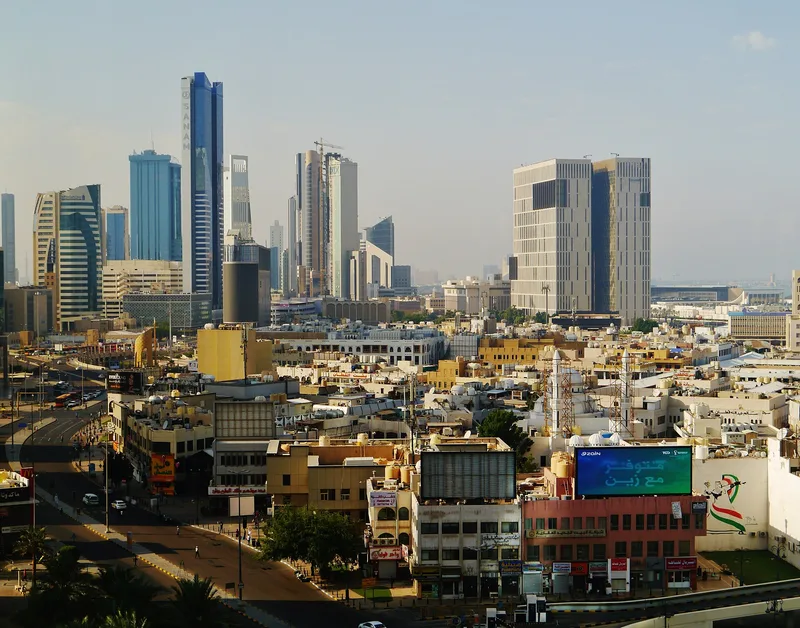
Bahrain was hit in the same wave of attacks. The Bahraini military said its air defences intercepted several Iranian aerial attacks before dawn on Wednesday. Iran’s Revolutionary Guards said they had targeted a radar system operated by US forces at Sheikh Isa Air Base in Bahrain. Bahrain is home to the headquarters of the US Navy’s Fifth Fleet, and it has faced repeated Iranian strikes in recent days. Our earlier report on the Iranian drone attack on Bahrain covers the previous rounds of this confrontation.
Kuwait’s Foreign Ministry condemned what it called the repeated, criminal Iranian attacks on the country, describing them as a flagrant violation of its sovereignty and a dangerous escalation that undermined diplomatic efforts to reduce tensions. The United Arab Emirates described the strike on Kuwait as a hostile act, Qatar said the strikes violated sovereignty and international law and risked further escalation, and Jordan reaffirmed its solidarity with Kuwait.
Iranian army commander Maj Gen Amir Hatami warned on Wednesday that any repeat of earlier action against Iran would bring a response that was more crushing, more severe and without geographic limits. The warnings from Tehran suggest that Iran sees the attacks on Kuwait and Bahrain as part of a wider campaign against countries it accuses of helping the United States.
Why Iran Struck Back: The Qeshm Island Strike
The attacks on Kuwait and Bahrain came a day after the United States struck an Iranian missile site. On Tuesday night, US fighter jets used precision munitions to hit an Islamic Revolutionary Guard Corps missile launch site on Qeshm Island in the Strait of Hormuz. A US military official said the strike was a response to Iranian aggression targeting US personnel and assets, after Iran attacked a US radar system in Bahrain earlier on Tuesday. Our report on the US strike on Qeshm Island has the full details of that operation.
Iranian media said several locations on Qeshm Island were hit, with no casualties and no damage to critical infrastructure. The Qeshm strike was itself a reply to an Iranian drone attack on a US radar system in Bahrain, the third such attack on American targets in Bahrain in five days. The pattern is now clear: each side answers the other’s latest strike with one of its own, and each round reaches further across the region.
The exchange of fire shows how fragile the limits of this war have become. The United States and Israel began the war with Iran on February 28, 2026, expecting it to end within weeks. Instead, the fighting has ground to a stalemate, with no intense combat for months, but with limited strikes, counter-strikes and a US naval blockade continuing alongside mediation efforts by Oman and Qatar.
Tankers Attacked in the Strait of Hormuz
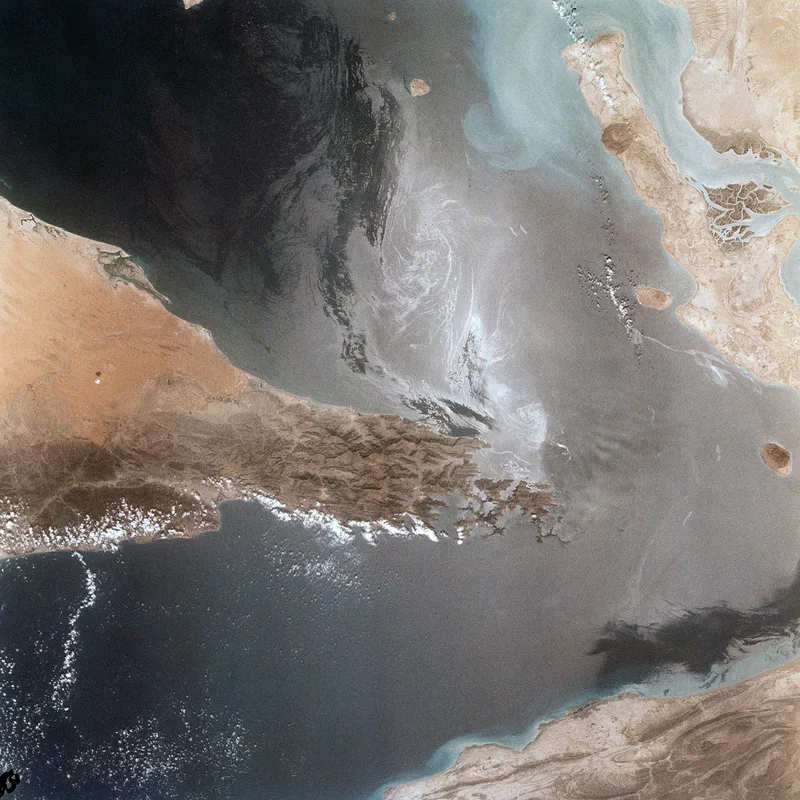
Commercial shipping in the Strait of Hormuz was also attacked in the same period. The Abu Dhabi National Oil Company said one of its vessels was attacked while transiting the strait on Tuesday night. One crew member was unaccounted for and 11 others were injured, and the rest of the crew was evacuated. Search and rescue operations were continuing in coordination with the relevant authorities, the company said.
A Panama-flagged gas tanker, the Tara Gas, was also struck in the strait on Tuesday and caught fire. India’s Foreign Ministry said 21 crew members were evacuated, two were taken to hospital and one was unaccounted for. The company said the attack followed an incident involving one of its vessels in UAE waters last week, and that two of its crude tankers were struck in the strait in July, killing one crew member, with another vessel attacked in August.
Iran has claimed a series of attacks on ships in the Strait of Hormuz and off the coasts of Oman and the United Arab Emirates, often blaming operators for using an unauthorised, US-backed route and claiming the ships hit sea mines. The strait matters because it is one of the world’s most important oil transit chokepoints. According to the US Energy Information Administration, the Strait of Hormuz is one of the world’s most important oil transit chokepoints, which is why every attack near it raises fears about energy supplies and prices.
The American military buildup in the region has also continued. The USS Theodore Roosevelt aircraft carrier arrived in the Middle East this month, joining other American carriers already in the region. Read our report on the USS Theodore Roosevelt arrival for the details of the US naval buildup and what it means for the confrontation with Iran.
A Widening War With No Ceasefire in Sight
The fighting spread further on Wednesday. In Yemen, Iran-backed Houthis fired two cruise missiles toward Riyadh, the capital of Saudi Arabia. The Saudi-led coalition said its air defences intercepted and destroyed both missiles, and said it had launched a major air attack that destroyed 60 Houthi targets, including tunnels, warehouses storing ballistic missiles, and workshops used to assemble and store drones. A spokesman for the Houthi-run health ministry said the coalition strikes killed at least 17 people, including 15 in a strike on a sponge factory in Hodeida.
The escalation comes despite diplomatic efforts to end a conflict that has already lasted nearly nine months. Oman and Qatar are both acting as mediators between Washington and Tehran, and talks between Iran and mediators continued this week. But the cycle of attack and retaliation keeps pulling the region back toward wider fighting, and the attacks on Kuwait and Bahrain show that no Gulf state hosting US forces is outside the line of fire.
New Iranian threats against the United States and Europe also came to light on Tuesday, as President Donald Trump said claims of a bomb plot in Washington were being taken very seriously. Our report on the reported Iranian dirty bomb plot has the full details of that intelligence assessment and the White House response. With three American carriers in the region, a naval blockade in place, tanker attacks rising and Gulf allies now being struck directly, the next round of fire could decide whether the diplomacy survives or the war widens further.
Frequently Asked Questions
What happened in Kuwait on November 18, 2026?
Iran’s army said its drones targeted Ali Al Salem Air Base in Kuwait early on Wednesday, November 18, 2026, aiming at US Patriot air defence systems and drone and missile launch platforms. Kuwait’s army said its air defences intercepted the drones and reported no damage or casualties. It was the first reported Iranian attack on Kuwait in more than two months.
Why did Iran attack Kuwait?
Iran said the attack was retaliation for a US strike on Tuesday night on an Islamic Revolutionary Guard Corps missile launch site on Qeshm Island in the Strait of Hormuz. The US strike was itself a response to an Iranian drone attack on a US radar system in Bahrain earlier on Tuesday.
Was Bahrain attacked as well?
Yes. Bahrain’s military said its air defences intercepted several Iranian aerial attacks before dawn on Wednesday, November 18. Iran’s Revolutionary Guards said they had targeted a radar system operated by US forces at Sheikh Isa Air Base in Bahrain. Bahrain hosts the headquarters of the US Navy’s Fifth Fleet.
Was anyone hurt in the attacks on Kuwait and Bahrain?
No casualties or damage were reported in Kuwait or Bahrain. Kuwait said its air defences intercepted the drones, and Bahrain said its defences repelled the attacks. However, one crew member was unaccounted for and 11 were injured when an Adnoc vessel was attacked in the Strait of Hormuz on Tuesday night.
Is the US at war with Iran?
The United States and Israel began a war with Iran on February 28, 2026. The war has ground to a stalemate, with no intense fighting for several months, but limited strikes and counter-strikes continue alongside a US naval blockade, attacks on shipping in the Strait of Hormuz, and mediation efforts by Oman and Qatar.
Conclusion
Iran’s drone attacks on Kuwait and Bahrain on November 18, 2026, marked a clear widening of the war, bringing Gulf states that host US forces directly into the line of fire. Kuwait and Bahrain both said their air defences stopped the attacks with no reported damage, but the strikes were retaliation for the US attack on Qeshm Island, and Iran has warned that any further action will bring a more severe response. With tankers burning in the Strait of Hormuz, missiles flying toward Riyadh and diplomacy struggling to keep pace, the region now waits to see whether the next move is a step back toward talks or another round of fire.
