Trump Lands in China as Xi Greets Him With a Hug Ahead of Historic Trilateral
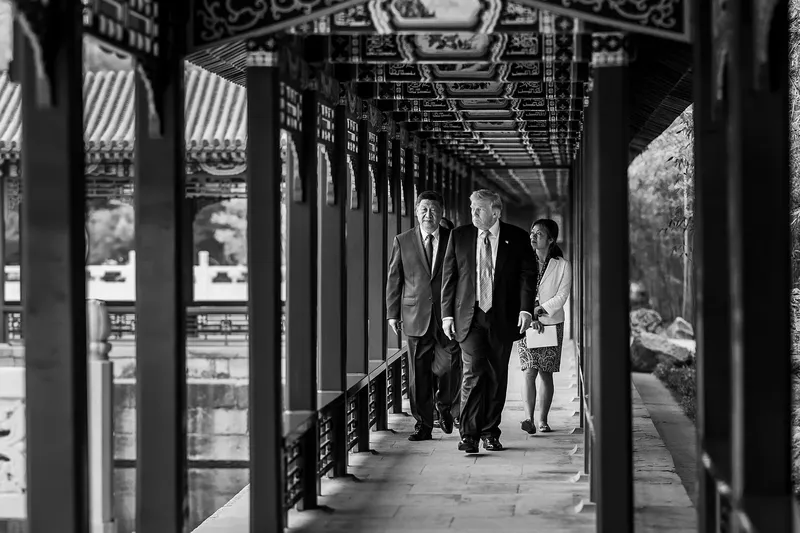
President Donald Trump lands in China on Wednesday, November 18, 2026, and was greeted on the tarmac by Chinese President Xi Jinping in a handshake that became a hug, a day before the first ever three-way meeting with Xi and Russian President Vladimir Putin. The warm welcome in Shenzhen, where Xi met Trump at the foot of the Air Force One stairs as dancers waved flowers and flags, returned a gesture Trump made during Xi’s state visit to Washington in September. Trump arrived from the Philippines, where he announced a new trade deal with President Ferdinand Marcos Jr., and he now faces a Thursday trilateral focused on limiting nuclear weapons and ending the war in Ukraine, while a wave of technology outages back home follows him across Asia.
Table of Contents
The Tarmac Welcome in Shenzhen
Xi paid Trump a special honour by greeting him on the tarmac after Air Force One arrived at Shenzhen Bao’an International Airport, reciprocating the gesture made by the US president during Xi’s state visit to Washington in September. The two leaders greeted each other at the foot of the airplane’s stairs in a handshake that became a hug, as a group of dancers waved flowers and flags.
The contrast with Putin’s arrival was hard to miss. When Putin arrived earlier on Wednesday, Xi did not greet him at the airport despite their longstanding friendship. The difference in welcome set the tone for a visit in which Trump is trying to project strength and certainty ahead of a potentially complicated trilateral meeting on Thursday with the presidents of China and Russia.
Trump has signalled that he wants to take an improvised approach during his time in Shenzhen, betting that his unscripted brand of diplomacy, based on personal relationships, can create some kind of legacy to reshape world affairs during his final two years in the White House. The tarmac hug was the first visible payoff of that approach, a public show of warmth between the two leaders before the hard talks begin.
Shenzhen and the APEC Summit
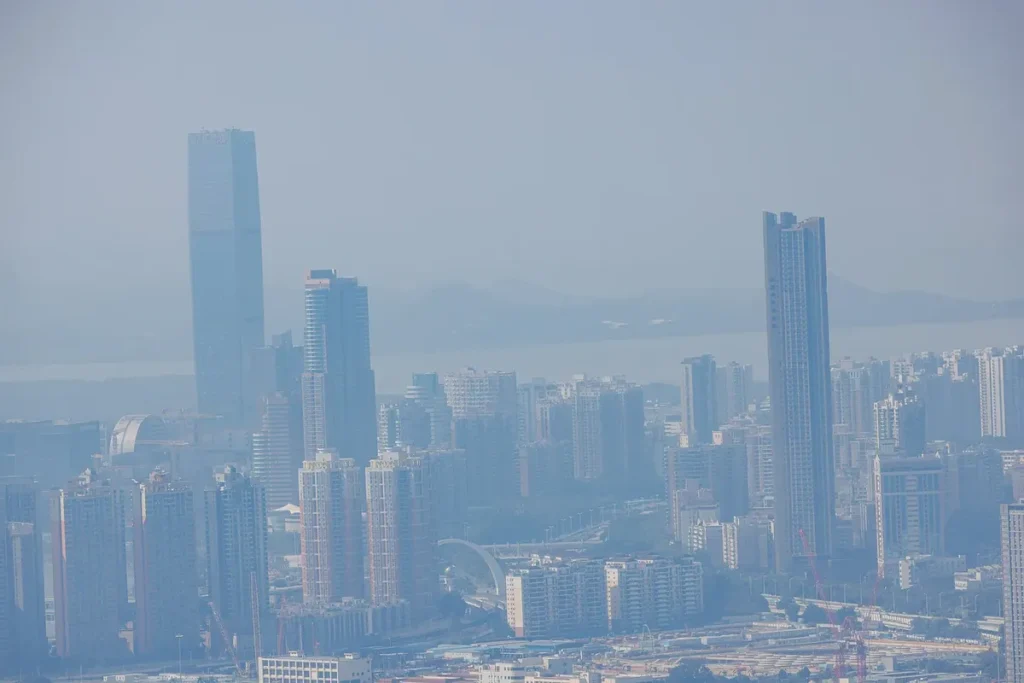
Shenzhen is the skyscraper-filled tech hub that is hosting world leaders for the Asia-Pacific Economic Cooperation summit on November 18 and 19. The city is the centre of China’s technology industry, which makes it a fitting stage for a summit where technology is one of the main subjects, even without the digital outages back in the United States.
Even before those outages, questions about how to handle AI loomed over the summit. The technology is viewed as key to unlocking faster economic growth, but its rapid development has meant it poses national security risks and could evolve in ways that put AI beyond human control. Trump’s tariffs, which were intended to curb China’s trade surplus, have done little to stop the progress of the world’s dominant manufacturer, which for the second straight year will have exported $1 trillion more in goods than what it imported.
Trump’s close tech industry ally Jensen Huang was recently removed as the chief executive of Nvidia after he admitted to an affair with a woman alleged to be an agent of the Chinese government. Beijing has denied that she was a spy, yet the affair raised concerns about how China has been able to access Nvidia computer chips to develop its own AI models that are competing with the United States. When asked this week why the US had not been more aggressive in cutting off China’s access to advanced computer chips, Trump said there were differences of opinion inside his administration and that “We have a very good relationship with China, and you don’t want to insult them.”
Trump has said he does not plan to bring up Taiwan, a self-governing island that China claims as its own. Taiwan is the leading manufacturer of advanced computer chips, including those designed by US companies. Still, Trump expects that Xi will push him on Taiwan’s sovereignty. “I am sure he will raise it,” Trump said. “I will not have to raise it.” Official statements and schedules from the trip are published on the White House briefings and statements page.
The Philippines Trade Deal
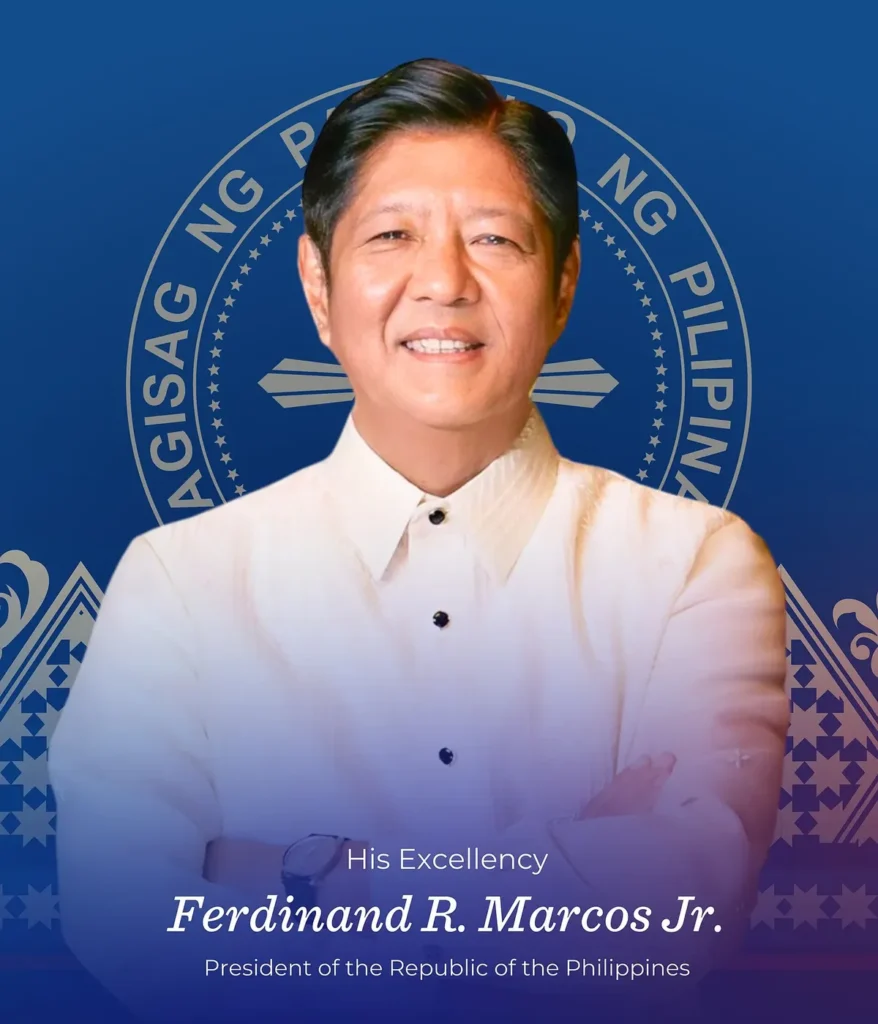
Before he landed in Shenzhen, Trump had lunch in Manila with President Ferdinand Marcos Jr. at the Malacanang Presidential Palace, as part of a state visit and welcome ceremony on Wednesday. Marcos noted that he had sent fried chicken from the Philippine chain Jollibee to the US delegation for a late-night snack on Tuesday and complimented Trump for “working very hard.” Trump praised the US bond with the Philippines and the interior decoration of the presidential palace. “Our people share common history, common values, common interests, common architectural tastes,” Trump said. “I love what you have done here.”
He said after their meeting that the two nations had reached a trade deal on Wednesday, though he had also said last year that an agreement had been reached. In a post on his social media platform, Truth Social, Trump wrote: “I am now heading to China, from the Philippines, where we had a wonderful meeting on Trade, National Security, and other subjects. I am pleased to announce that we made a new and completely different Trade Deal with the Philippines, one that will be a true landmark and, in particular, a Deal that will be great for our Farmers and those in the business of ‘Energy.'”
There were no details about the new agreement, although the White House said it will involve Manila buying more energy and farm products. The US Census Bureau reports that the US trade deficit in goods with the Philippines has risen under Trump, climbing from $4.9 billion in 2024 to $12.8 billion during the first nine months of this year. Trump also had a short reunion with Imelda Marcos, the former first lady and mother of the Philippines’ current president. Famed for her lavish shoe collection, Imelda Marcos knew Trump decades ago through the New York City party scene. Trump called her “always the most beautiful” and the 97-year-old matriarch appeared to hand him a gift, according to a video posted by the White House.
Thursday Brings the First Ever Trilateral
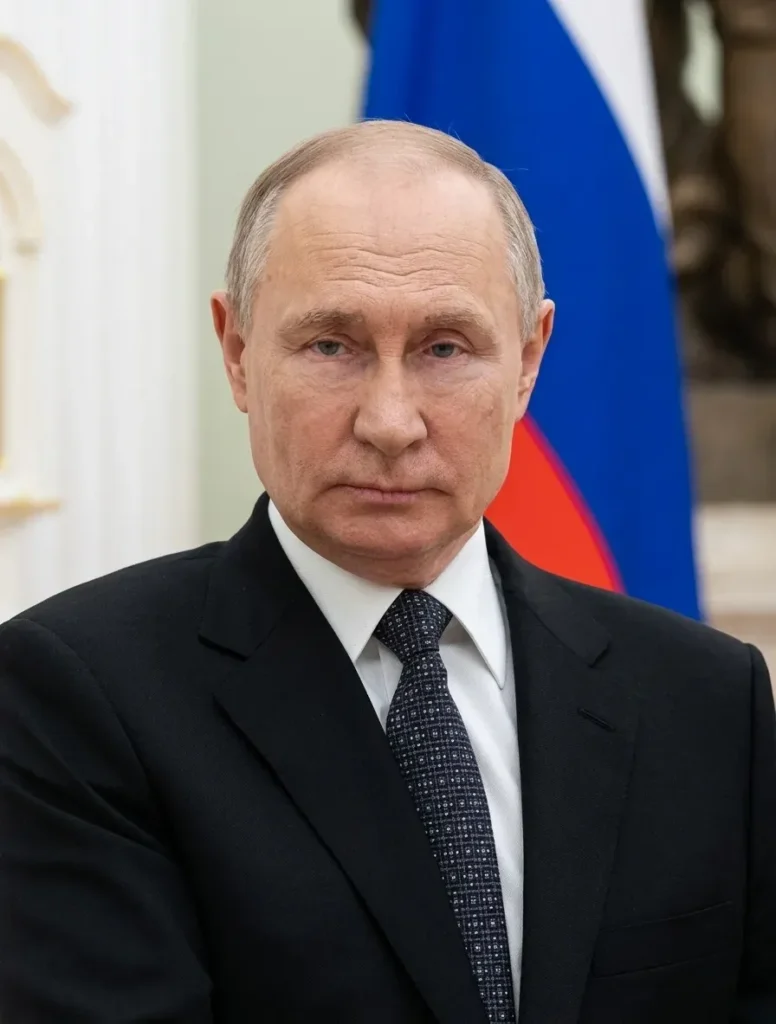
On Thursday, at a first-ever trilateral, Trump said he plans to talk with Xi and Putin about limiting nuclear weapons and bringing an end to the war in Ukraine, which began in 2022 with Russia’s invasion. Analysts are not expecting substantive breakthroughs, despite the unprecedented nature of the meeting. Our report on the planned three-way meeting covers how the summit was arranged, and the full Trump Asia trip itinerary runs from the Manila ASEAN summit through to Thursday in Shenzhen.
Before the trip, Trump’s aides had told reporters that the war in Ukraine would not be on the agenda. But Trump said on Tuesday that the deaths of tens of thousands of Russian troops every month had created an opening to resolve the conflict. “I think it is very close to getting it done,” Trump said. “We are going to have a good meeting on that.” Iran is also expected to be discussed, after the US strikes on the Qeshm Island missile site and the reported Iran dirty bomb plot raised tensions in the Gulf.
Trump also teased the possibility of a private meeting with Putin and a separate sit-down with North Korean leader Kim Jong Un. Secretary of State Marco Rubio clarified on Wednesday that Trump was “serious” about meeting with Kim as a way of resolving tensions with North Korea, but he suggested no meeting was currently scheduled between Trump and Kim for Thursday.
Trump Lands in China Amid a Wave of Outages
The distressing series of technical outages back home has left the administration scrambling to calm the American public, and the issue put the administration on the defensive at the start of the second day of Trump’s trip. As he began his trip to Asia, Trump initially had been nonchalant about the outages that left people in the United States worried about accessing their email, checking their bank accounts or safely flying on an airplane. “It is fine,” Trump pronounced on Tuesday from Manila, suggesting it was all just a consequence of being a nation that is “big and powerful.”
But then the outages involving Microsoft, the Federal Aviation Administration, JPMorgan Chase and the National Security Agency’s communications network began to overshadow Trump’s visit. The Dow plunged 1000 points on Tuesday as reports of the NSA network outage added to the selling, and the Apple outage hit iCloud, the App Store, Apple Pay and Apple Music the same day. Secretary of State Marco Rubio stepped in to reassure Americans on Trump’s behalf, telling reporters there was “zero” evidence that the outages are connected or tied to rival nations, cyber hackers or criminals. “Sometimes when you are going in to fix your system because you have identified a vulnerability, it creates a short-term disruption,” said Rubio, who is also Trump’s national security adviser.
Frequently Asked Questions
When is the Trump Xi Putin trilateral meeting?
The first ever three-way meeting of Trump, Xi Jinping and Vladimir Putin is scheduled for Thursday, November 19, 2026, in Shenzhen, after Trump has lunch with Xi. The expected agenda covers limiting nuclear weapons, ending the war in Ukraine, Iran, trade and the economy.
What did Trump announce about the Philippines?
Trump announced a new trade deal with the Philippines after meeting President Ferdinand Marcos Jr. in Manila on Wednesday. No details were released, although the White House said it will involve Manila buying more American energy and farm products. Trump had also said last year that an agreement had been reached.
Did Xi Jinping greet Vladimir Putin at the airport too?
No. When Putin arrived in Shenzhen earlier on Wednesday, Xi did not greet him at the airport, despite their longstanding friendship. The tarmac greeting with a hug was given to Trump only, reciprocating a gesture Trump made during Xi’s state visit to Washington in September.
Will Trump meet Kim Jong Un in China?
That is only a possibility Trump raised himself, and it would depend on Xi Jinping. Secretary of State Marco Rubio said Trump was serious about meeting Kim as a way of resolving tensions with North Korea, but he suggested no meeting was currently scheduled for Thursday.
Conclusion
Trump lands in China with the Asia trip’s defining image already in hand: Xi Jinping waiting on the tarmac in Shenzhen, a handshake that became a hug, and dancers waving flowers and flags. The warmth of the welcome stands in contrast to the hard agenda ahead, with the first ever trilateral with Xi and Putin set for Thursday, a new Philippines trade deal short on details, and a wave of outages back home that the administration is still explaining. What happens in Shenzhen, on nuclear arms, Ukraine, Iran and trade, will decide whether this trip is remembered as a routine summit swing or as a turning point.
