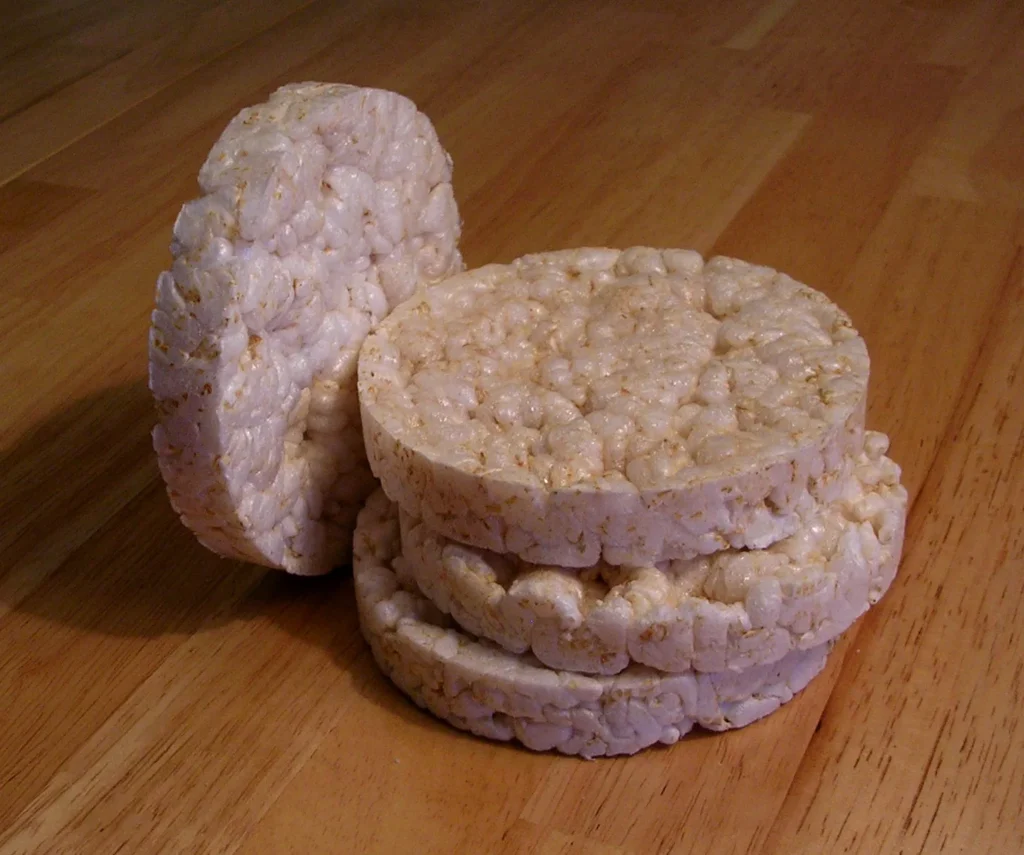
Rice Cakes Nutrition Facts: Calories, Carbs and What the Label Means
Rice cakes look like the perfect diet snack: light, crunchy and only about 35 calories each. But the rice cakes nutrition facts tell a more mixed story. One plain rice cake gives you roughly 35 calories, 7.3 grams of carbs, 0.7 grams of protein and almost no fat. That is very little energy, which sounds good, until you notice what is missing: fiber, protein and staying power. A plain rice cake is mostly puffed rice and air, so it fills you for about twenty minutes and then leaves you hungry again. Whether rice cakes help your eating plan depends less on the cake and more on what you put on top of it. This guide breaks down the full label, compares plain and flavored varieties, and shows how to turn a rice cake into a snack that keeps you full.
Table of Contents
Rice Cakes Nutrition Facts: The Numbers
The table below uses USDA FoodData Central values for plain rice cakes. Brands vary a little, so check your own pack.
| Nutrient | 1 plain cake (9 g) | Per 100 g |
|---|---|---|
| Calories | 35 kcal | 380 to 392 kcal |
| Total carbohydrate | 7.3 g | 80 to 81 g |
| Dietary fiber | 0.4 g | 3.8 to 4.2 g |
| Total sugars | 0 g | 0 to 1 g |
| Protein | 0.7 g | 7.1 g |
| Total fat | 0.3 g | 3.5 to 4.5 g |
| Sodium | 15 to 30 mg | 70 to 116 mg |
Two things stand out. First, a single cake is tiny, so the numbers look great until you eat four or five of them, which many people do without thinking. Five plain cakes add up to about 175 calories and 36 grams of carbs. Second, the per 100 gram column shows what rice cakes really are: about 80 percent carbohydrate by weight, with modest protein and very little fiber. They are light and easy to eat, but they do not keep you full on their own.
What Is in a Rice Cake?
A rice cake is made by heating rice grains under pressure until they puff up, then pressing them into a flat disc. Plain cakes usually contain just rice and sometimes a little salt. Brown rice cakes use whole grain brown rice, while white rice cakes use polished white rice. The rice cakes nutrition facts reflect that simple make-up: mostly carbohydrate, with very little fat, fiber or protein.
Because they are made from rice alone, plain rice cakes are naturally gluten free. That makes them useful if you avoid gluten, though flavored varieties can include other ingredients, so check the label every time. If you want another gluten free snack idea, our gluten free banana bread recipe is a good weekend bake that actually fills you up. That is one reason the rice cakes nutrition facts alone do not tell the whole story.
Plain vs Flavored Rice Cakes
Flavored rice cakes change the rice cakes nutrition facts more than most people expect.
| Variety | Calories | Carbs | Sugar |
|---|---|---|---|
| Plain (white or brown rice) | 35 | 7.3 g | 0 g |
| Caramel flavored | 50 | 11 g | 3 to 4 g |
| Chocolate flavored | 60 | 12 g | 4 to 5 g |
| Cheese flavored | 45 to 55 | 8 to 10 g | 1 to 2 g |
A chocolate rice cake has nearly double the calories of a plain one, plus added sugar and more fat. A caramel cake adds sugar and sodium. None of these are terrible on their own, but they quietly turn a 35 calorie snack into a 60 calorie one, and the extra sugar makes you hungrier sooner. If you buy flavored cakes, treat them as a sweet snack, not a health food, and check the sodium line too, since some flavors carry 100 mg or more per cake.
Brown Rice Cakes vs White Rice Cakes
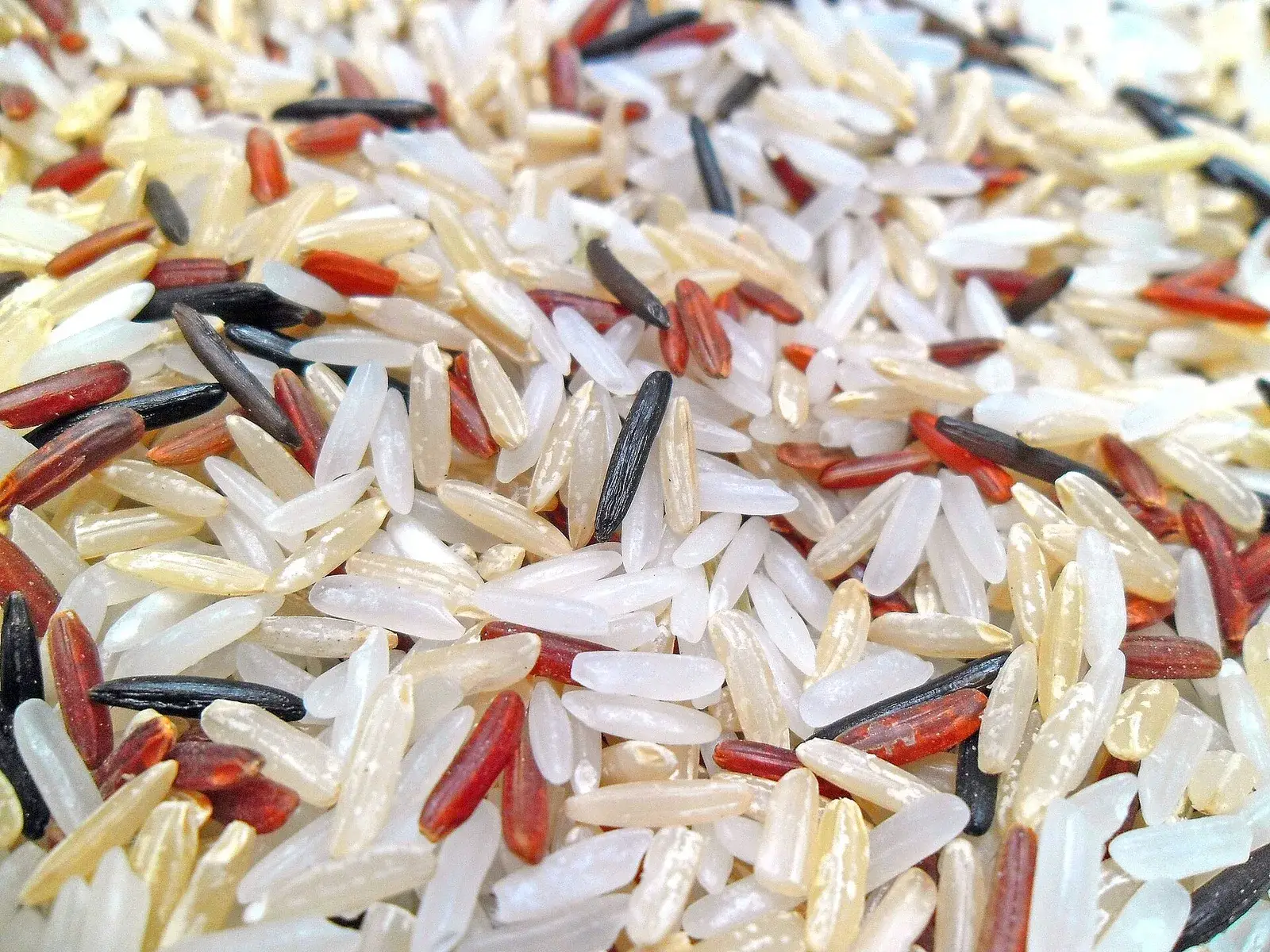
Brown rice cakes are made from whole grain rice, so they keep the bran layer that white rice loses during milling. In practice the difference is small but real: brown rice cakes usually have a little more fiber and magnesium, and they digest a touch more slowly. White rice cakes are lighter and crisper, and some people prefer the taste. The calorie gap is tiny, often just one or two calories per cake, so do not stress over it. If fiber matters to you, pick brown rice cakes. What matters far more is the flavoring and the topping, not the color of the rice. Side by side, the rice cakes nutrition facts for brown and white cakes differ by only a calorie or two.
Are Rice Cakes Healthy?
The honest answer is that rice cakes are neither a health food nor a junk food. They sit in the middle, and their value depends on how you use them. On the plus side, plain rice cakes are low in calories, low in fat, naturally gluten free and very low in sugar. They give you crunch and volume for almost no calories. On the minus side, they are low in fiber and protein, and their glycemic index is high, around 82, which means the carbs digest quickly. A single cake has a low glycemic load of about 6 because the serving is so small, but a stack of five cakes on an empty stomach can raise blood sugar more noticeably, so people watching blood sugar should pair them with protein or fat rather than eating them plain. If you want a snack that keeps you full for hours, a rice cake alone will disappoint you. Our sweet potato recipes offer a more filling alternative, since sweet potatoes bring fiber and slow carbs. But as a light base for a protein rich topping, a rice cake is a smart, low calorie choice.
Healthy Rice Cake Toppings That Make Them a Real Snack
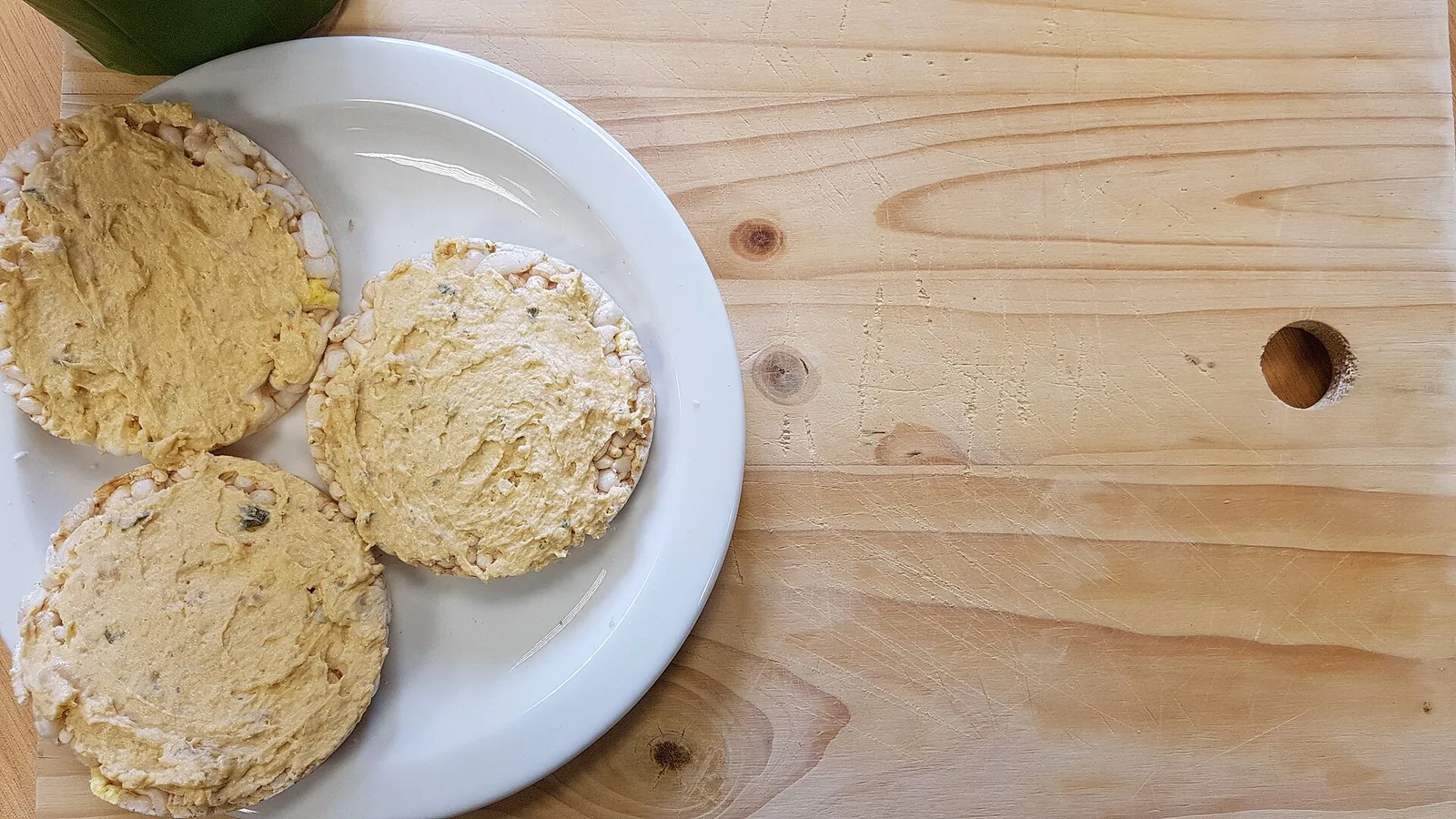
A topping is what turns a rice cake from a crunchy placeholder into a real snack. The rule is simple: add protein, healthy fat or fiber, and the snack will keep you full.
- Peanut butter and sliced banana: about 200 calories, with protein, healthy fat and potassium. Use one tablespoon of peanut butter, not three.
- Avocado and a boiled egg: healthy fat plus high quality protein, and it keeps well for a packed lunch.
- Hummus and cucumber: fiber and plant protein with almost no sugar.
- Cottage cheese and berries: high protein, low fat, and the berries add fiber and sweetness without added sugar.
- Smoked salmon and a little cream cheese: protein and omega-3 fats, a filling option for a light lunch.
What to skip: jam alone, chocolate spread alone, or plain butter. Those add sugar or fat without protein or fiber, so you will be hungry again in half an hour. If you eat rice cakes at breakfast, pair them with an egg or yogurt, and see our list of what to make for breakfast for more ideas that keep you full until lunch.
How to Read a Rice Cake Label
The most common mistake when reading rice cakes nutrition facts is using the wrong serving size. Labels usually give values per cake, but some give values per 100 grams or per serving of two or three cakes. Always check the serving size first, then multiply if you eat more than one cake. The FDA guide on how to understand and use the Nutrition Facts label explains serving sizes and daily values in plain language. Next, check three lines: sugar, sodium and fiber. Plain cakes should show zero sugar and under 30 mg of sodium, while flavored cakes can hide three to five grams of sugar and over 100 mg of sodium per cake. Finally, read the ingredient list: a plain cake should list rice and possibly salt.
Rice Cakes for Weight Loss
Rice cakes can help with weight loss, but only as part of a plan, not as the plan. The rice cakes nutrition facts show why: the cakes themselves are light, so the topping decides whether the snack satisfies you. Their strength is volume: you can eat three or four cakes with a protein topping for about 200 to 250 calories and feel like you had a real snack. Their weakness is that plain cakes alone leave you hungry, which leads to more snacking later. The fix is always the topping. Add peanut butter, egg, cottage cheese or hummus, and the snack becomes satisfying. Movement matters too. If you want a short, effective workout to go with lighter eating, our guide to what is HIIT training explains a time efficient option that fits a busy week. Weight loss comes from the whole pattern of eating and activity, not from any single snack.
Frequently Asked Questions
How many calories are in one rice cake?
One plain rice cake has about 35 calories. A caramel flavored cake has about 50 calories, and a chocolate flavored cake has about 60, so flavored varieties add up faster than most people expect.
Are rice cakes good for weight loss?
They can help, because they are low in calories and give you crunch and volume. But plain rice cakes alone do not keep you full, so add a protein rich topping and watch how many cakes you eat in one sitting.
Do rice cakes spike blood sugar?
Rice cakes have a high glycemic index of about 82, so their carbs digest quickly. One cake has a low glycemic load because the serving is small, but several cakes eaten plain can raise blood sugar. Pairing them with protein or healthy fat slows the rise.
Are rice cakes gluten free?
Plain rice cakes made only from rice are naturally gluten free. Flavored varieties can include other ingredients, so check the label if you have coeliac disease or a strong sensitivity.
Conclusion
Rice cakes nutrition facts show a snack that is light, low in calories and low in sugar, but also low in fiber and protein, with a high glycemic index. One plain cake has about 35 calories and 7 grams of carbs, while flavored versions add sugar, sodium and calories. The smart way to eat them is as a base, not as a meal: pick plain or brown rice cakes, read the serving size, and add a protein rich topping that keeps you full. Used that way, rice cakes earn their place as a light, crunchy and genuinely useful snack.
