Iran Drone Attack Bahrain: Six Drones Target US Radar Base
Iran says it launched six drones at a US air defence radar system in Bahrain early on Sunday, November 15, 2026, in the latest iran drone attack bahrain incident. The claim, carried by Iranian state media, came as sirens sounded and the government urged residents to seek shelter. Bahrain says its air defences intercepted the attack, and neither Washington nor Manama has confirmed the radar was hit.
For the full account of what is known so far, see Al Jazeera’s report on the attack.
Table of Contents
Iran Drone Attack Bahrain: What Is Confirmed So Far

The Islamic Revolutionary Guard Corps, known as the IRGC, said its Aerospace Force launched six drones at a US air defence radar system at the Riffa Air Base in Bahrain. Fars news agency, IRIB and Press TV carried the statement. The Guard said the strike was retaliation for what it called hostile US actions.
Bahrain’s Interior Ministry issued two alerts within about three hours on Sunday morning, the first at about 4:30am local time, or 01:30 GMT. The ministry urged people to remain calm and proceed to the nearest safe location.
The Bahrain Defence Force said its air defences intercepted and destroyed several Iranian aerial attacks before they reached their targets. It accused Tehran of a systematic hostile approach toward the kingdom. No damage or casualty details were given, and the US military has yet to comment on Sunday’s claim.
That leaves a familiar gap between claim and confirmation. Iran presents the operation as a successful strike, while Bahrain says its defences stopped the attack. Until the Pentagon or US Central Command speaks, the Iranian account remains a claim rather than a confirmed hit.
The Second Radar Claim in Three Days
Sunday’s incident followed a near-identical claim on Friday, November 13. On that day the IRGC said it had destroyed a US early-warning radar in Bahrain in retaliation for what it described as an air attack on a telecommunications tower in southern Iran. The Guard called it a serious warning over what it described as aerial provocations and oil smuggling in the Strait of Hormuz.
US Central Command, known as CENTCOM, denied the Friday claim. It said American forces had shot down two Iranian drones with no injuries or damage. Reuters reported that Friday was the first time since early September that Iran had claimed an attack on US military assets in a Gulf country. For the full account, read our report on the first Iran Bahrain radar claim.
Two claimed attacks on the same target within three days suggests Tehran wants to show it can still reach US facilities in the Gulf. It also raises the risk of miscalculation, because each new exchange gives both sides another chance to misread the other’s intent.
Why Bahrain Matters to the US Military
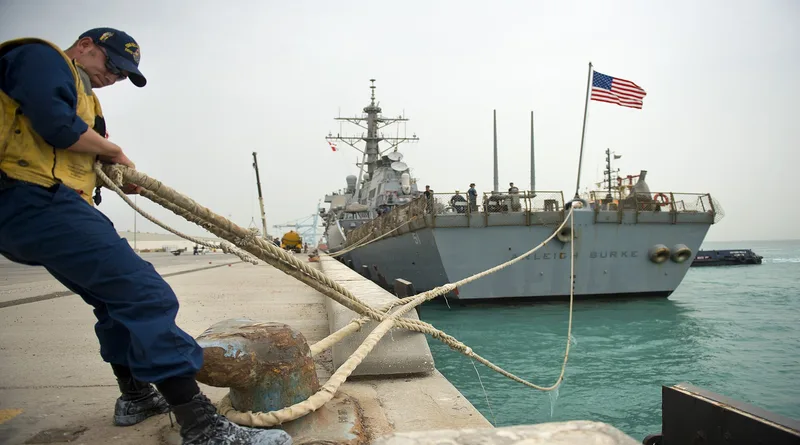
Bahrain is home to the US Navy’s Fifth Fleet, which is based in Manama, the kingdom’s capital. The Fifth Fleet oversees American naval operations across the Persian Gulf, the Gulf of Oman and the Red Sea. That makes Bahrain a key American military hub in the region, and a natural target when Iran wants to signal that US forces in the Gulf are within its reach.
A Pentagon inspector general’s report released in September found Iranian attacks had damaged or destroyed buildings at US installations in eight countries, including Bahrain, in the first four months of the war. That is why each new claim about Bahrain is taken seriously even when it cannot be verified at once.
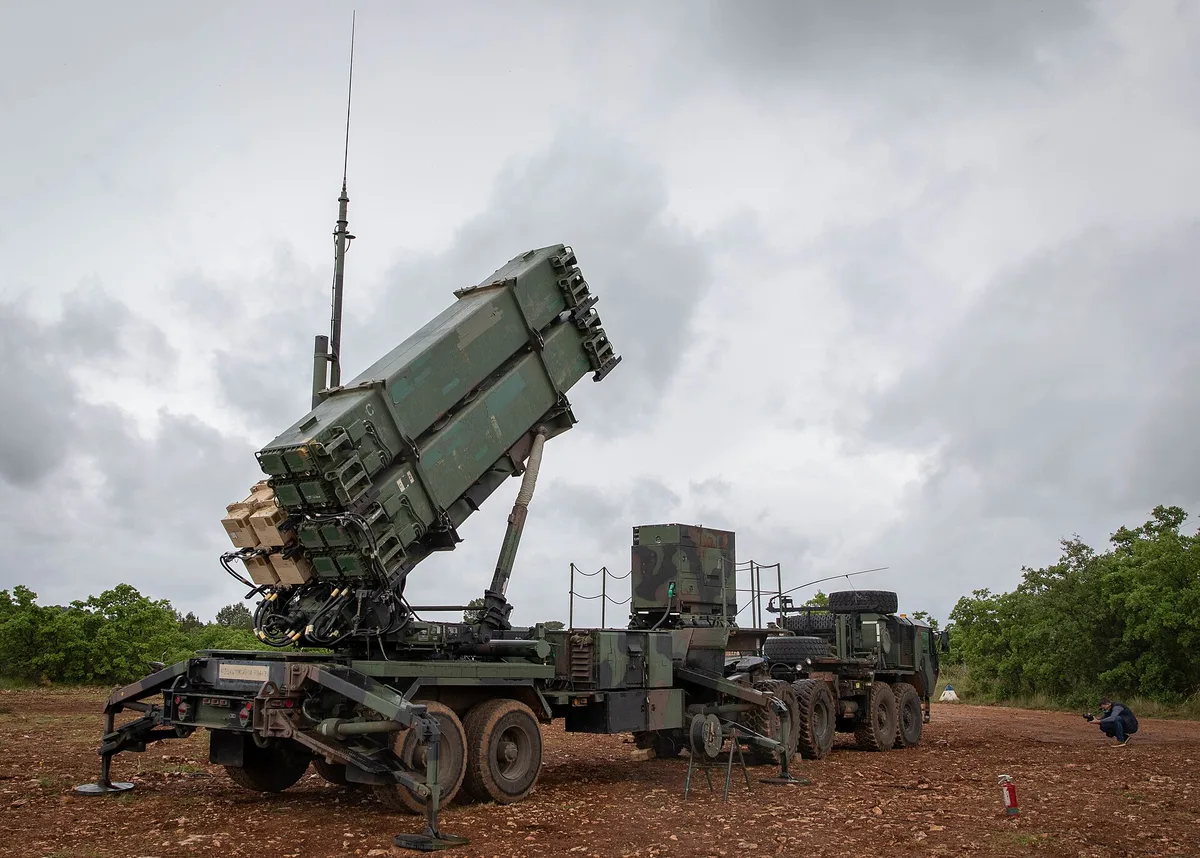
The target is an air defence radar, which detects incoming aircraft and missiles and guides interceptors toward them. Knocking one out would leave a gap attackers could exploit. The Wall Street Journal has reported that Iran retains an estimated 1,500 to 2,500 missiles despite months of strikes, citing US intelligence assessments.
The Strait of Hormuz and the Wider War
The IRGC statement also said the Strait of Hormuz remained closed and claimed US efforts to escort ships through the waterway had failed. It warned that any US attack would draw a more severe response. The strait links the Persian Gulf to the open sea, and it has become a second front in the war, with Iran restricting shipping and the United States enforcing a naval blockade on Iranian ports.
On Saturday, the IRGC navy said two oil tankers struck sea mines in the strait, and two others turned back after warnings from its maritime traffic control centre. Those claims have not been independently verified either. For the latest, see our report on the Strait of Hormuz tanker incidents.
The war began on February 28, 2026, when the United States and Israel launched surprise attacks on Iran. It has since spread across the region, with Tehran launching missile and drone attacks on US military bases in Gulf countries, while diplomatic efforts to end it remain stalled.
Diplomacy Stalled as Trump Weighs His Next Move
President Donald Trump has said he might hold off from attacking Iran if the United States faces no new provocations from Tehran or the Iran-backed Houthis in Yemen, but that he would maintain the US naval blockade, according to Reuters. The Sunday drone attack tests that position. For more, read our report on Trump’s warning over new Iran strikes.
Iran’s parliamentary speaker and chief negotiator, Mohammad Bagher Ghalibaf, told Al Jazeera last week that Tehran wanted to move beyond a state of no war and no peace. He said Iran had conveyed seven conditions for a deal through a Qatari mediator, including lifting the blockade and sanctions, releasing frozen funds and formally declaring the war over. The Trump administration, meanwhile, has tightened sanctions and maintained the blockade.
Vice President JD Vance had been the administration’s most vocal advocate for a diplomatic settlement, but Trump has now pulled him from the Iran negotiations and told him to focus on domestic politics instead. For the details, see our report on Trump pulling Vance from the Iran talks.
The danger, analysts warn, is miscalculation. Saeid Golkar, an associate professor of political science at the University of Tennessee at Chattanooga, told Al Jazeera that both sides may prefer to avoid a full-scale war, but limited exchanges could eventually lead to a broader conflict that neither side initially intended.
What We Know and What Remains Unconfirmed
What we know is that Iran claims to have launched six drones at a US radar in Bahrain on Sunday morning, that Bahrain issued two threat alerts and sounded sirens, and that the kingdom says its air defences intercepted the attack. What remains unconfirmed is whether the radar was hit, whether any damage was done, or whether anyone was hurt. Until independent evidence appears, the careful way to read Sunday’s events is as a claimed strike and a confirmed interception, not as a confirmed hit.
Frequently Asked Questions
What happened in the Iran drone attack Bahrain incident?
Iran’s Revolutionary Guard Corps said it launched six drones at a US air defence radar at the Riffa Air Base in Bahrain on Sunday, November 15, 2026. Bahrain said its air defences intercepted the attack. There is no confirmation that the radar was hit.
Why did Iran say it attacked Bahrain?
Iran said the drone attack was retaliation for what it called hostile US actions. The IRGC statement also said the Strait of Hormuz remained closed and warned of a harsher response to any further US action.
Was the US radar in Bahrain actually hit?
That has not been confirmed. Iran claims the strike hit its target, but Bahrain says its defences stopped the attack, and the US military has not yet commented. No damage or casualty details have been given.
Is this the first time Iran has claimed to hit a US radar in Bahrain?
No. On Friday, November 13, the IRGC said it had destroyed a US early-warning radar in Bahrain. US Central Command denied it, saying American forces had shot down two Iranian drones with no injuries or damage.
Why is Bahrain important to the United States?
Bahrain hosts the US Navy’s Fifth Fleet headquarters in Manama, one of the most important American military hubs in the Middle East. The Fifth Fleet oversees US naval operations across the Persian Gulf, the Gulf of Oman and the Red Sea.
The iran drone attack bahrain story will develop as the US military responds. Globaly Mag will update this report as soon as official confirmation or new verified information becomes available.