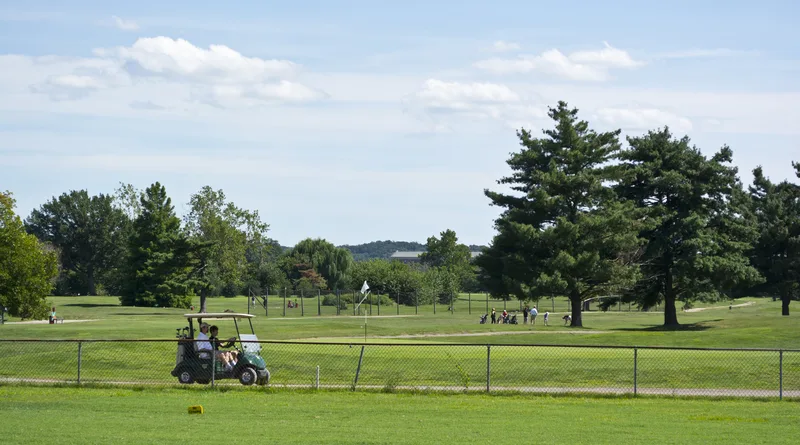
Judge Blocks Trump’s East Potomac Golf Course Redevelopment
A federal judge has temporarily blocked President Donald Trump from closing the East Potomac Golf Course in Washington, DC, stopping the planned redevelopment of the historic public course one day before work was due to begin. US District Judge Ana Reyes issued a 30-page temporary restraining order on Saturday, November 14, 2026, ruling that the Trump administration could not shut East Potomac Park and its golf links while a legal challenge to the project continues.
The East Potomac Golf Course was due to close on Sunday, November 15, for 15 months so the site could be rebuilt as a single 18-hole championship course. The order keeps the park and the course open to the public through November 28, 2026, or until the court rules again, whichever comes first.
Judge Reyes found that the government’s stated reasons for closing the park were “pretextual” and said the administration had violated at least two federal laws “to meet an arbitrary deadline”.
Table of Contents
What the judge ordered
The order bars the government from closing East Potomac Park and the East Potomac Golf Course during the hours they were open as of Saturday, November 14. It covers the parkland south of Buckeye Drive SW, including Ohio Drive SW, and requires the site to stay open to the public while the case proceeds.
The order does not require the government to operate the golf course or actively manage the park, and repairs may continue. What the government cannot do, for now, is close the gates or begin irreversible work on the redevelopment.
The ruling also requires the government to give at least 10 business days’ written notice before any future closure or irreversible change at the park. The plaintiffs must post a $1 bond by November 20, and the government’s response in the wider case is due on November 30.
Judge Reyes opened her ruling with a sentence that set the tone for the whole decision: “The Department of the Interior has progressed from removing the trees to removing the people from East Potomac Park.” The line referred to the more than 400 trees cut down on the course last month, work the judge has since barred from continuing without a court order.
Why the judge called the reasons pretextual
The government told the court the park had to close for safety reasons, because the lease with the current operator was ending, and because of a deteriorating seawall. Judge Reyes rejected those explanations after a five-hour court hearing on Friday, November 13, 2026.
Justice Department lawyer Adam Gustafson argued that the whole park, which includes three golf courses, a miniature golf course, bike-riding lanes and other recreational areas, was being closed for safety. He also noted that the lease with the current operator, National Links Trust, was ending on Sunday, November 15.
Judge Reyes pointed out that safety had not been part of the discussion over the closure for months, and that ending the lease looked more like a premise created for the closure than a cause of it. She also rejected the argument that the closure was separate from the president’s repeated public statements that he wanted the course closed and rebuilt as a world-class venue.
“President Trump directed this closure for one reason: so that work could begin on a new Fazio Design to replace the current East Potomac Golf Course,” Judge Reyes wrote in her ruling. The Fazio Design refers to a new course layout by golf course architect Tom Fazio. The judge found that the government had not shown any harm it would suffer from an order that simply preserves the status quo while the case continues.
The park at the centre of the fight
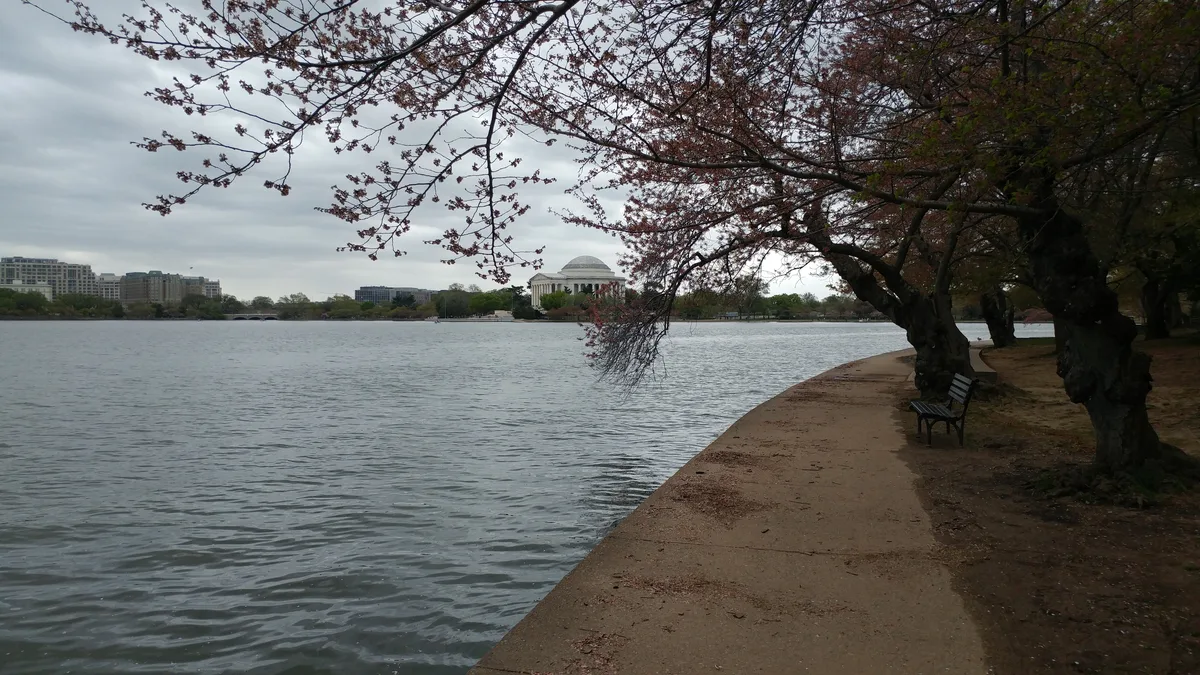
East Potomac Park sits about 2 miles (3 km) south of the White House, near the Jefferson Memorial, and includes Hains Point, the southern tip of the peninsula where the Potomac River meets the Anacostia River. The park is more than a century old and is used daily by golfers, walkers, cyclists and families from across the Washington area.
The East Potomac Golf Links currently offers 36 holes across three courses: one 18-hole course and two nine-hole courses. The site also has a miniature golf course, bike-riding lanes and other recreational areas that draw visitors who never pick up a club. For many local players, it is one of the few accessible and affordable places to play golf in the city.
That affordability is at the heart of the legal fight. The DC Preservation League and two local golfers sued in February 2026, arguing that the redevelopment would change the character of the accessible public course and make it unaffordable. President Trump denies that claim, and in a social media post on Saturday he said Washington area residents would get a 50 per cent discount on “any Rates charged” at the rebuilt course.
The case is DC Preservation League v. Department of the Interior, No. 1:26-cv-477. Judge Reyes was appointed to the court by Democratic President Joe Biden.
Trump’s plan for a championship course
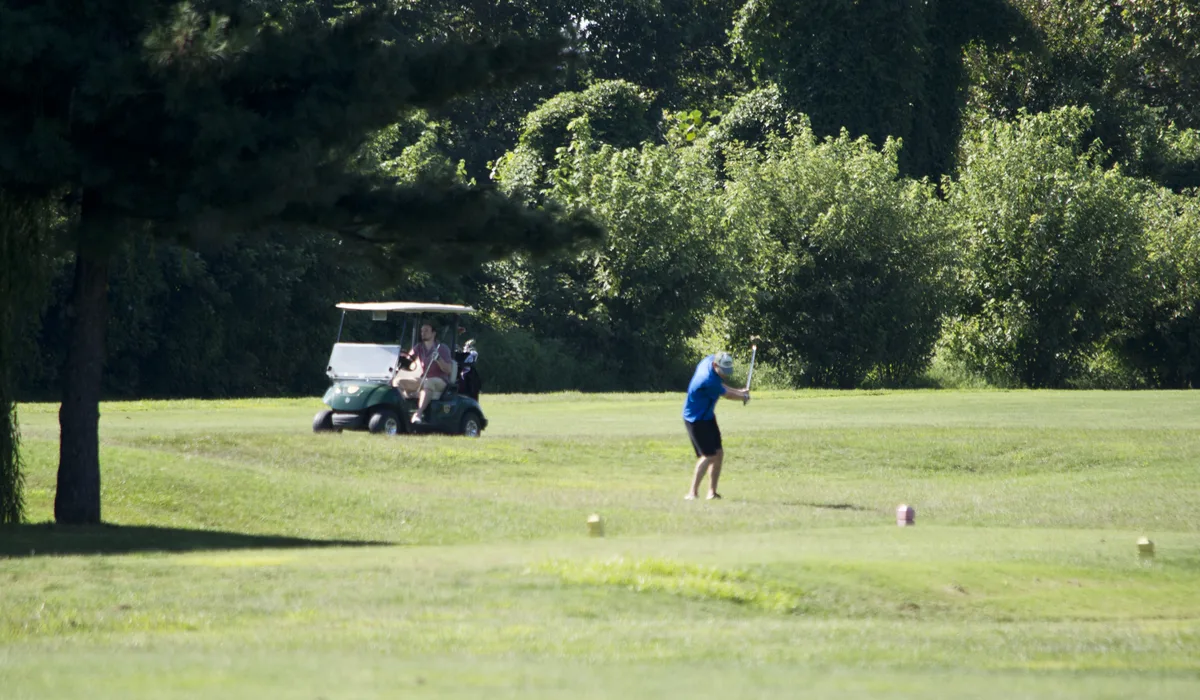
President Trump announced on October 26 that the site would close on November 15 to “renovate and rebuild for Competitive (with other such projects!), Safety, Modernization, and Aesthetic reasons”. The plan would replace the three existing courses, totalling 36 holes, with a single 18-hole championship course designed to host major tournaments.
The administration recently submitted a proposal for the project to the National Capital Planning Commission. Under the plan, the rebuilt East Potomac Golf Links would become an upscale championship venue capable of hosting major championships and even a Ryder Cup, according to GOLF.com’s report on the ruling. The proposal also eliminated some of the park’s public recreational space used by walkers, cyclists and non-golfers.
In a Truth Social post before the ruling on Saturday, the president called East Potomac the “Worst Golf Course anywhere in the World” and said its fairways are too close together. He had previously called the course “dangerous”. In the same post, he criticised Judge Reyes, saying she “doesn’t want us to quickly and inexpensively fix up the Course which is also very dangerous”, and predicted the redevelopment would “evolve into something very special”.
A case that has been building since February
Judge Reyes had for months been reluctant to approve the plaintiffs’ requests for work stoppages. Her reluctance ended in October, spurred in part by a tree-cutting spree by the administration over a holiday weekend, carried out with little notification to the judge or the plaintiffs.
Officials said the tree work was part of a 2019 plan that recommended the cutting. In response, the judge confronted the administration over what she described as deceitful actions over its intentions for the project.
The tensions have spilled beyond the redevelopment itself. The Justice Department filed a request that Judge Reyes be removed from the case because of what it called her “egregious behaviour”, and questioned her impartiality. Judge Reyes has not recused herself.
The ruling also fits a wider pattern of courtroom battles between the Trump administration and the federal judiciary, including Trump’s wider push to limit judges’ power and Supreme Court cases involving the Trump administration that will shape how far presidential action can go.
What happens next
The temporary restraining order is short-term emergency relief, not a final judgment. It keeps the park open while the underlying lawsuit continues, and almost everything that matters remains undecided. Judge Reyes has not said whether she will extend the order past November 28 or replace it with a longer preliminary injunction, and the administration has not said whether it will appeal.
The government’s summary judgment response is due on November 30, and the case will then move toward a fuller hearing on whether the redevelopment can proceed at all. If the administration loses, the plan could be delayed for months or reshaped entirely. If it wins, the 15-month closure could still begin, just later than planned.
Frequently asked questions
Why did a judge block the East Potomac Golf Course closure?
US District Judge Ana Reyes issued a temporary restraining order on November 14, 2026, finding that the government’s stated reasons for the closure, including safety, the end of the operator’s lease and a deteriorating seawall, were “pretextual”. She said the administration had violated at least two federal laws “to meet an arbitrary deadline”.
How long does the order blocking the closure last?
The order runs through November 28, 2026, or until the court issues a further order, whichever comes first. It is temporary relief while the underlying lawsuit continues, and Judge Reyes has not yet said whether she will extend it or replace it with a longer preliminary injunction.
What is Trump’s plan for the East Potomac Golf Course?
The plan would close the site for 15 months and replace the current three courses, totalling 36 holes, with a single 18-hole championship course designed by Tom Fazio. The administration says the rebuilt course could host major championships and even a Ryder Cup.
Who sued to stop the East Potomac redevelopment?
The plaintiffs are the DC Preservation League and two local golfers, who sued in February 2026. They argue the redevelopment would change the character of the accessible public course and make it unaffordable for ordinary players. The case is DC Preservation League v. Department of the Interior, No. 1:26-cv-477.
Is the East Potomac Golf Course still open?
Yes, for now. The order keeps East Potomac Park and the golf course open to the public during their usual hours, but it does not require the government to operate the golf course or actively manage the park.