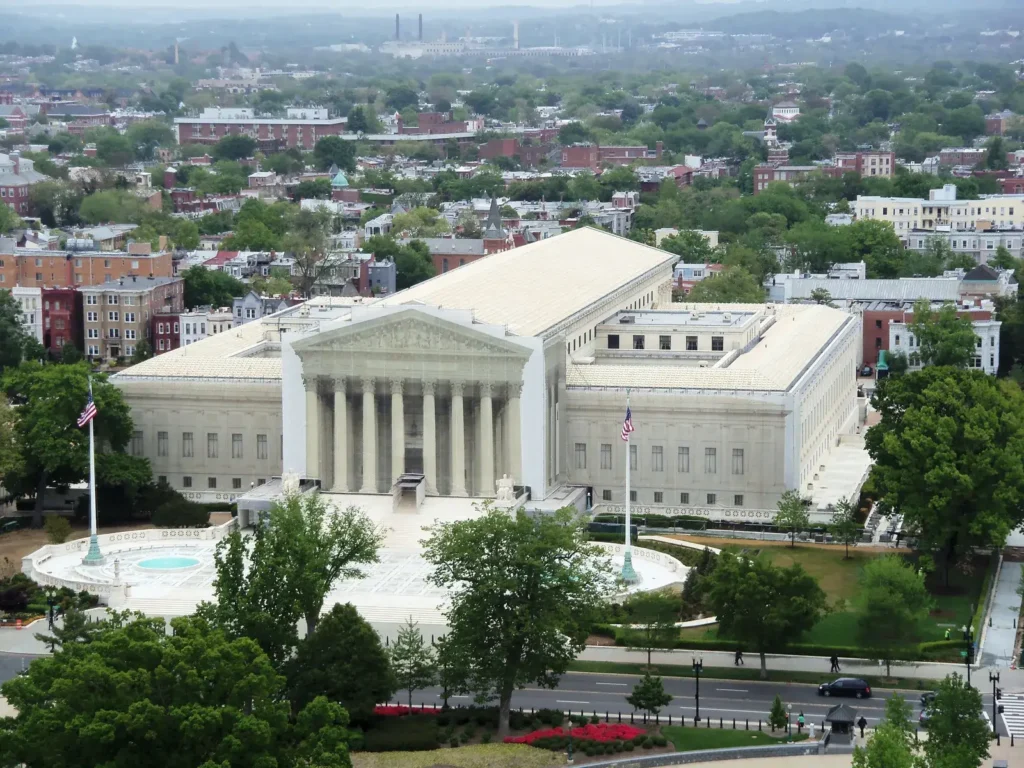
Trump Asks Supreme Court to Limit Judges’ Power Over Federal Rules
The trump supreme court judges question is back before the nation’s highest court, in a case about how much power one judge has to strike down a federal rule for the whole country. The Trump administration wants the Supreme Court to limit that power, so that when a court finds a federal agency rule unlawful, the remedy reaches only the people who sued. The Justice Department filed the petition on 14 October 2026 in Department of Health and Human Services v. Texas Medical Association, known as TMA III, petition No. 26-491.
Table of Contents
What the Appeal Asks the Court to Decide
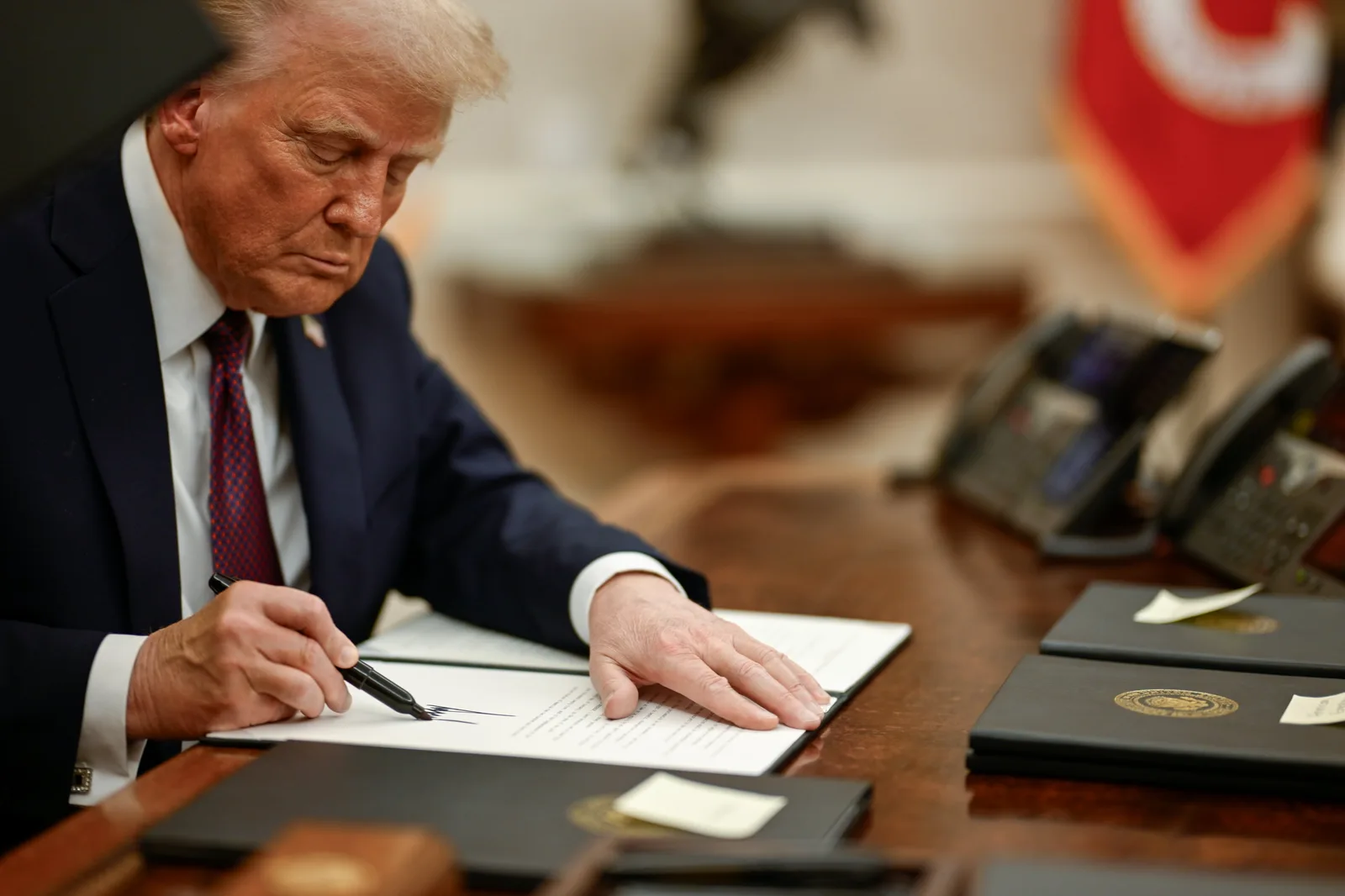
The administration asks whether judges can vacate a federal rule for the whole country under the Administrative Procedure Act, which governs how agencies make rules and how courts review them. Section 706(2) says courts should “hold unlawful and set aside” unlawful agency action, words many courts have read as permission to wipe an unlawful rule off the books. The administration argues that reading goes too far.
The Justice Department said the Supreme Court “should return the lower courts to their proper role under the APA”. Its argument is that the law tells judges to resolve the case in front of them, not to cancel a rule for everyone in the country. Relief should be limited to the plaintiffs who sued. The question of supreme court judges power over federal rules is one the court has circled before without settling it.
Solicitor General D. John Sauer signed the petition. The appeal is narrow: the administration is not challenging the finding that the rule was unlawful, and it is not asking the court to revive the rule. It challenges only the remedy.
The Surprise Billing Case Behind the Appeal

The dispute began with the No Surprises Act, which Trump signed in his first term to limit surprise out-of-network medical bills. It protects patients who receive unexpected bills after emergency care outside their insurance network, and federal agencies wrote rules to put it into practice, including rules for resolving payment disputes.
The Texas Medical Association and others sued in the federal courts in Texas, arguing the rules violated the Administrative Procedure Act and artificially deflated their insurance reimbursement rates.
In August 2026, the New Orleans based 5th US Circuit Court of Appeals, sitting en banc, voided parts of the rule nationwide on APA grounds. The full court, known as the Fifth Circuit, agreed the rule was unlawful, but the scope of the remedy, not that finding, drew the administration to the Supreme Court. The Georgetown Law O’Neill Institute analysis of the appeal sets out the filing in detail.
The CASA Precedent the Administration Is Building On
The appeal follows the Supreme Court’s June 2025 ruling in Trump v. CASA, a 6-3 decision restricting nationwide injunctions, the orders that block the government from enforcing a policy against anyone. It arose from Trump’s bid to limit birthright citizenship, and the court held judges should limit such injunctions to the parties in the case.
But CASA left universal vacatur untouched. An injunction stops the government enforcing a policy while a case is pending, while vacatur cancels a rule after a court has found it unlawful. CASA therefore did not answer whether judges could still strike down a rule nationwide. The new petition asks the court to close that gap.
In a separate 6-3 ruling last June, the justices rejected Trump’s birthright citizenship policy as unconstitutional. The current appeal tests whether the court will go further and limit vacatur too. See our report on the Supreme Court asylum ban ruling.
What Experts and States Say About the Stakes
Aditya Bamzai, a University of Virginia administrative law expert, said a win for Trump could let the government keep enforcing rules against everyone but the plaintiffs, even after judges deemed them unlawful. Siding with Trump, he said, “would give more flexibility to the executive branch”.
Ronald Levin, a Washington University in St. Louis law professor, warned it would make unlawful rules harder to remove. “When an agency adopts a rule that has been held to be unlawful, sometimes the only sensible solution is to wipe it off the books,” he said. He also said that if the Supreme Court agrees, “it would take longer for challengers to get unlawful regulations removed from the books.”
Texas, Florida and other mostly Republican-led states had urged the 5th Circuit not to “neuter” the APA’s effectiveness, calling it “a critical tool … to curb federal overreach and incursions into state sovereignty by executive-branch agencies”.
Since January 2025, the administration has faced hundreds of lawsuits over immigration limits, mass deportation, diversity initiatives and transgender rights, while APA suits have also fought the end of humanitarian legal status for hundreds of thousands of migrants, cuts to research grants tied to racial minorities or LGBT people, and a mass voter verification system. See Trump’s Iran strikes and the Trump and Vance position on Iran.
What Happens Next
The Supreme Court has not yet agreed to hear the appeal. It is expected to decide early next year, in early 2027.
If it declines, the 5th Circuit’s order will stand. If it takes the case, the ruling is likely to be one of the most closely watched of the term, with federal agency rules hanging on the outcome.
The Biden administration tried the same thing in 2023, when Republican attorneys general from Texas and Louisiana challenged an immigration policy. The justices did not take up the invitation and backed Biden on other grounds.
Frequently Asked Questions
What is the Trump administration asking the Supreme Court to decide?
The administration wants the court to decide whether judges can vacate a federal rule for the whole country under the Administrative Procedure Act, arguing the law does not grant such sweeping authority.
What is universal vacatur?
Universal vacatur is when a court cancels an unlawful federal agency rule entirely, so it no longer applies to anyone in the country. It differs from a nationwide injunction, which blocks enforcement while a case is pending. The Supreme Court limited nationwide injunctions in Trump v. CASA in June 2025 but left universal vacatur untouched.
What is the No Surprises Act case about?
Texas medical providers challenged federal rules implementing the No Surprises Act, the law Trump signed in his first term to limit surprise out-of-network medical bills, arguing the rule violated the Administrative Procedure Act. The 5th Circuit agreed the rule was unlawful and voided parts of it nationwide in August 2026.
Has the Supreme Court agreed to hear the appeal?
No. The court has not yet agreed to hear the appeal. It is expected to consider whether to take it up early next year, in early 2027, after a response from the plaintiffs due on 13 November, absent any extensions.
The Bottom Line
The trump supreme court judges appeal is not really about surprise medical bills. It is about how much power federal judges have when they find a government rule unlawful, and whether one court can wipe that rule out for the whole country. The administration has already won limits on nationwide injunctions and now wants the same for universal vacatur. Critics warn that would leave unlawful rules in force for years. The justices have not yet decided whether to hear the case.