US Ports Face Surge in Cyberattacks as Hackers Target Trade and Oil Exports
A us ports cyberattack surge is underway, and the hackers only need to win once. The Financial Times reported on Sunday, November 22, 2026, that major American ports and shipping companies are being hit by a growing wave of attempted intrusions, raising fears of disruption to global trade routes and energy supplies. The Port of Los Angeles blocked about 120 million attempted attacks in August alone, and the Port of Corpus Christi, the largest gateway for US crude oil exports, now fends off hundreds or even thousands of attempts every single day. The warning comes at the end of a week in which the list of hacked or broken American systems kept growing, from the FBI’s crime database to a string of airline and government outages.
Table of Contents
What the Financial Times Found
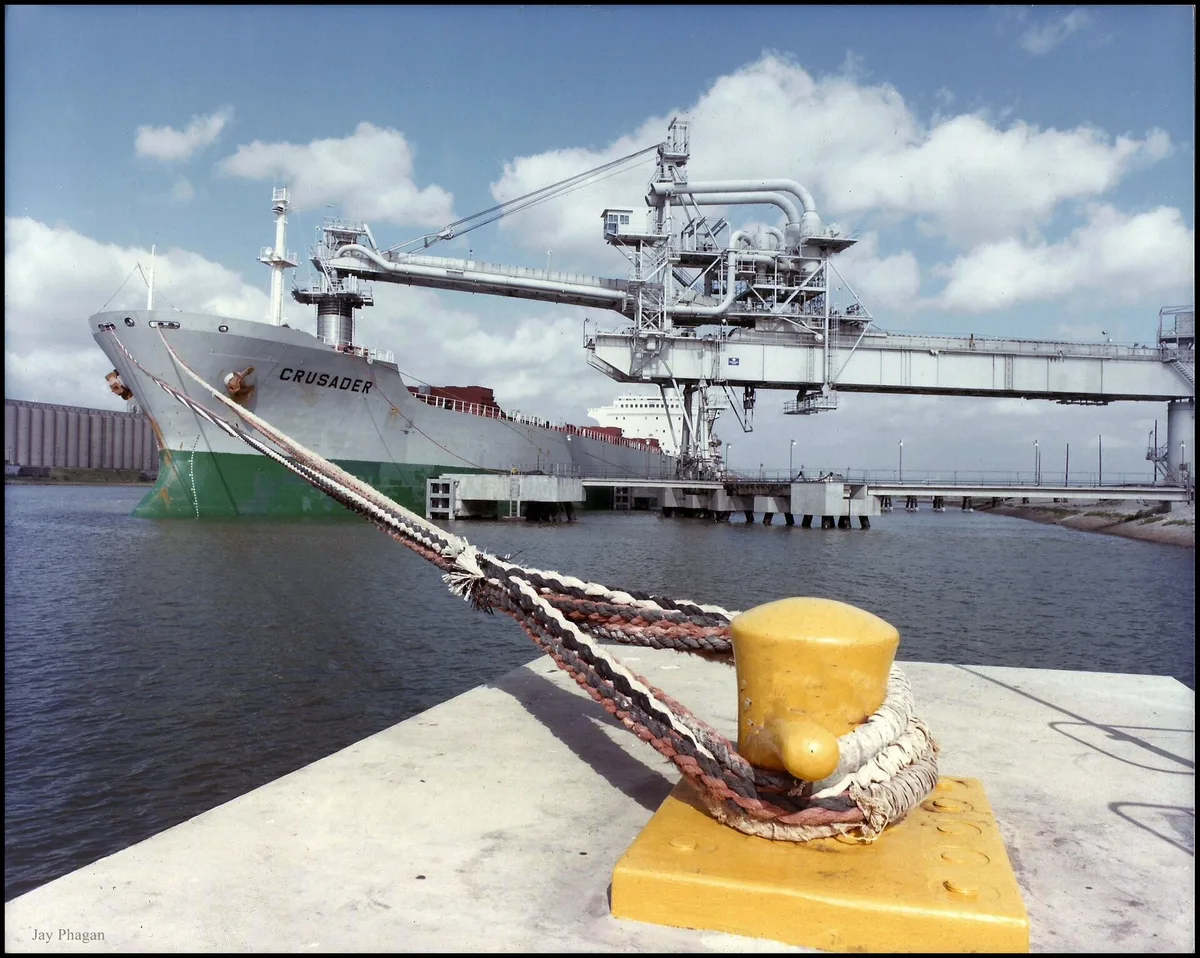
The Financial Times report is the clearest public account yet of how sustained the us ports cyberattack campaign has become. At the Port of Corpus Christi in Texas, which handles about 2.3 million barrels of crude oil exports a day, roughly 60 percent of all US crude exports, hackers are probing computer networks for weaknesses and sending messages that impersonate senior executives to trick employees into granting access. The port’s chief executive, Kent Britton, told the Financial Times that the attacks come from states and organizations known for malicious activity, though he declined to identify them.
“They’re poking at our systems and trying to find vulnerabilities,” Britton said. “With AI, it’ll only get more complicated.” The port is preparing to hire its fourth cybersecurity staff member and is seeking additional help from Washington. Britton’s warning about artificial intelligence matches a recent FBI warning that hackers are using AI tools to automate attacks, including an AI tool called Artex, which can make attempts faster, cheaper and harder to spot.
Corpus Christi has a fallback plan if an attack does take its systems offline. Tugboats can escort vessels through parts of the channel, and the harbor master’s office can use two-way radios, binoculars and paper records to keep traffic moving. It is a plan built for a pre-digital age, and it shows how seriously the port takes a threat that has become daily routine. The findings were also carried by Newsmax, which reported the same figures for Los Angeles and Corpus Christi.
Los Angeles Blocked 120 Million Attempts in August
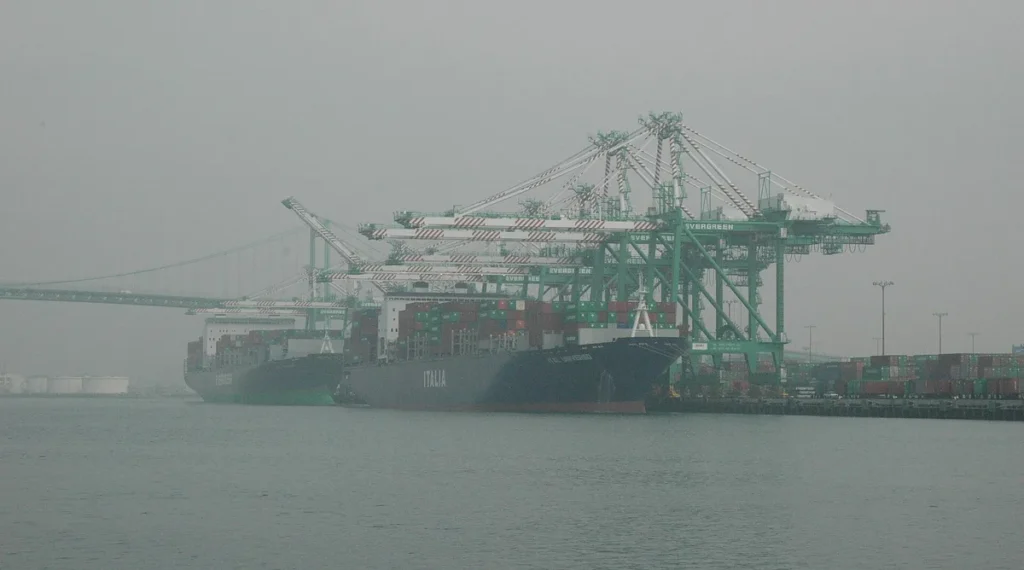
The Port of Los Angeles, the busiest container port in the United States, said it blocked about 120 million attempted cyberattacks in August 2026 alone, nearly double its monthly average in 2023. The attempts included network exploitation, credential harvesting and malware, according to reports of the port’s figures. Los Angeles blocked those attempts, and there is no claim that it was breached or shut down. But the sheer volume shows the scale of the pressure: roughly four million attempts a day, every day, against a single port.
The US Coast Guard, which oversees maritime security, reported a 17 percent increase in maritime cyber incidents last year. The Coast Guard said increasingly connected computer networks and equipment controls mean a breach can shut a terminal gate, interrupt cargo handling, or disrupt ship systems, putting crews and supply chains at risk. The agency also checks for cyber risks during inspections of foreign flagged ships, and in serious cases it can detain a vessel, deny it entry or restrict its movement until the risk is addressed.
Other ports are preparing in quieter ways. The Port of Virginia conducts monthly employee training and holds drills with the Coast Guard, and its spokesperson, Joe Harris, said it had yet to suffer a successful breach. “We’re an economic pinch point,” Harris said. “Getting taken offline is not an option.”

US Ports Cyberattack: What a Successful Breach Could Shut Down
A us ports cyberattack that succeeds would not just steal data. It could stop the physical movement of goods. Modern ports run on connected systems: cranes, terminal gates, cargo tracking, vessel scheduling and customs paperwork all depend on networks. If those systems go down, containers pile up, trucks queue outside the gates, and ships wait at anchor. The August 4 cyberattack on North Carolina Ports showed exactly that. All three of its facilities, in Wilmington, Morehead City and Charlotte, were forced onto manual gate processing with delayed openings while IT teams worked to contain the intrusion. The authority said there was no indication sensitive data had been compromised, and officials never publicly identified who was responsible.
The stakes are highest where energy moves. Corpus Christi handles about 60 percent of US crude oil exports, so a successful attack there would hit global energy markets, not just one port. The Port of Los Angeles handles a huge share of containerized imports from Asia, so a shutdown there would ripple through store shelves and factory supply lines across the country. That is why port operators call themselves an economic pinch point: a small number of facilities carry an outsized share of the nation’s trade, and an attacker who takes one offline can cause damage far beyond the port fence.
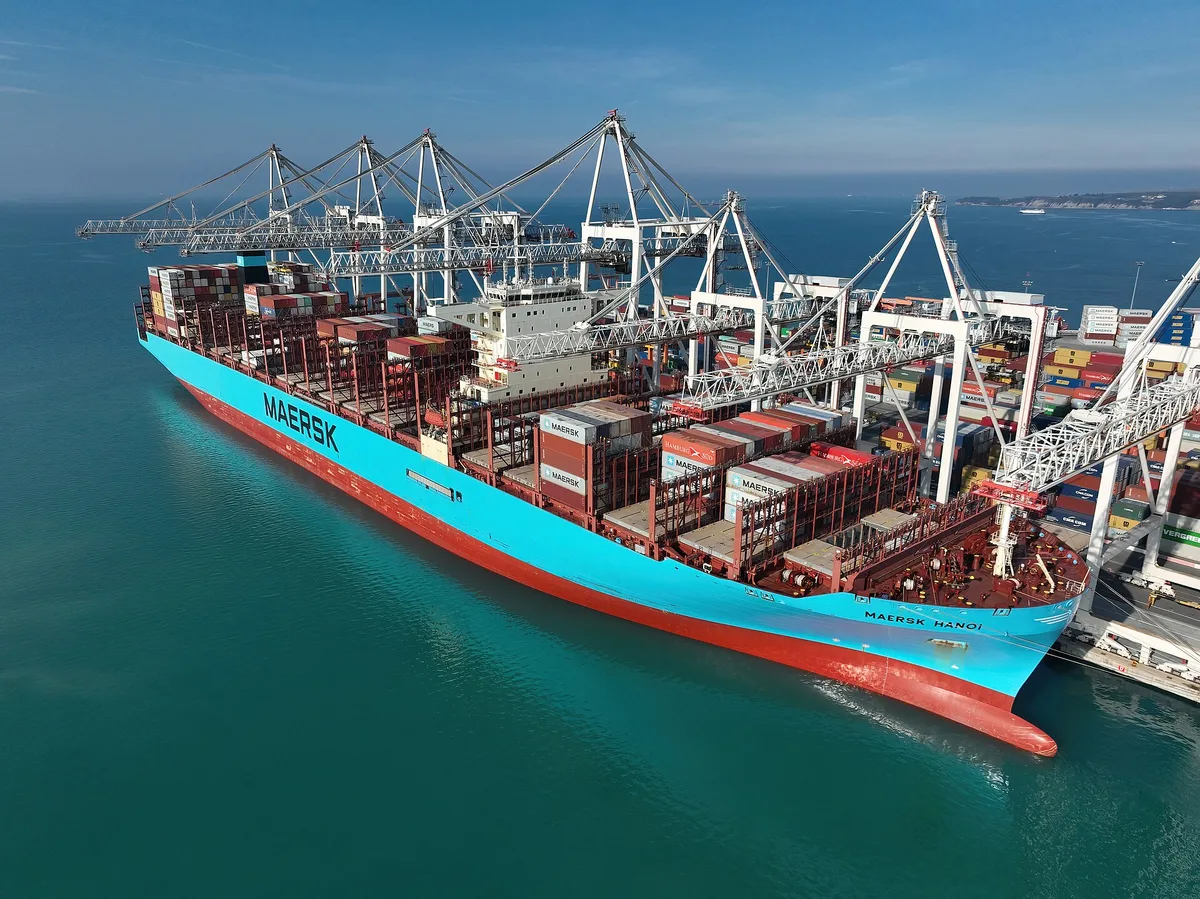
The shipping companies that use the ports are targets too. Maersk, the world’s second largest container line, disclosed a data breach this month, saying hackers stole data but operations continued without disruption and the incident did not involve ransomware. The company has been here before: a 2017 cyberattack shut down its systems worldwide and cost it hundreds of millions of dollars, a history that makes every new incident at a major carrier a warning sign for the whole industry.
A Summer of Breaches: Tankers, Ports and Stolen Data
In August, the Coast Guard and the FBI boarded two foreign flagged tankers in the Gulf of Mexico after indications that their networks had been compromised near the Strait of Gibraltar. The vessels were carrying crude oil and liquefied petroleum gas from the Mediterranean to Galveston, Texas. Investigators have yet to publicly identify suspects, and a maritime security expert told Reuters after the boardings that attacks of this kind are expected to continue and expand in the very near future.
In October, an extortion crew calling itself “n0n” posted 38 maritime organizations on its dark web leak site, including container line Ocean Network Express and Chinese crane giant ZPMC, and set an October 19 deadline for payment in bitcoin, according to The Maritime Executive. The same gang later dumped about 16,000 email addresses tied to JPMorgan’s ultra wealthy card customers, a leak connected to the JPMorgan, Visa and Mastercard vendor data breach that hit the bank’s wealthiest clients.
The pattern extends beyond shipping. The FBI is investigating a suspected breach of its National Crime Information Center, the database police officers use every day, and the USDA suffered a cyberattack on its farmer payment system. The White House fired its cyber chief, Sean Cairncross, after a string of US tech outages, and an NSA outage knocked out a classified network after a software patch failed. Taken together, the incidents describe a country whose critical systems are being tested constantly, and a us ports cyberattack is only the latest front in that campaign.
The July 2027 Deadline Gap
Washington’s main answer is a Coast Guard cybersecurity rule that took effect in July 2025 for US flagged vessels and port facilities. The rule requires covered operators to report qualifying cyber incidents to the National Response Center and provide annual training to personnel with access to computer networks or equipment controls. Operators can follow CISA cybersecurity best practices while they prepare their plans. But ports and terminals do not have to submit their cybersecurity plans for approval until July 16, 2027, about 20 months from now. Until then, the defenses that matter most depend on what each port chooses to do on its own.
“Early preparation is absolutely critical,” said Rear Admiral Robert Compher, the Coast Guard’s assistant commandant for prevention policy. The gap between the rule and the deadline is the worry: the attacks are happening now, at a pace of thousands a day at some ports, while the formal plans that are supposed to organize the defense are not due for another year and a half. Corpus Christi’s decision to hire a fourth cybersecurity staffer and ask Washington for help shows that at least some ports are not waiting for the deadline.
What Happens Next
The Financial Times report puts the problem in front of policymakers at a moment when the evidence is hard to ignore. Stopping the next us ports cyberattack will take more than new hires and drills, and the Coast Guard is already boarding suspect vessels and inspecting foreign flagged ships for cyber risks. The question is whether that is enough against attackers who are using AI to automate their attempts and who, as one report put it, only need to win once.
For the public, the immediate risk is not a single dramatic shutdown but a slow accumulation of pressure. A delayed opening at one port, a manual gate at another, a stolen database at a shipping line: each incident on its own is manageable, but together they test a system that was built for efficiency, not for constant attack. If a major port is taken offline for days, the effects would show up quickly in shipping schedules, energy exports and store inventories. That is the scenario the Coast Guard, the FBI and the ports themselves are now working to prevent, and the next test could come at any time.
Frequently Asked Questions
How many cyberattacks are US ports facing?
The Port of Los Angeles blocked about 120 million attempted attacks in August 2026 alone, nearly double its monthly average in 2023. The Port of Corpus Christi faces hundreds or even thousands of attempted intrusions every day. The US Coast Guard reported a 17 percent increase in maritime cyber incidents last year.
Which US port is most at risk from cyberattacks?
The Port of Corpus Christi is often cited because it handles about 2.3 million barrels of crude oil exports a day, roughly 60 percent of US crude exports, making it a high value target. The Port of Los Angeles is also a major target as the busiest container port in the country. Every major port is being probed, and experts say the risk is system wide.
Has a us ports cyberattack ever shut down a US port?
An August 4, 2026 cyberattack on North Carolina Ports disrupted operations at all three of its facilities, forcing delayed openings and manual gate processing while IT teams contained the intrusion. The attack did not shut the ports down entirely, and the authority said no sensitive data appeared to have been compromised.
What is the Coast Guard doing about port cybersecurity?
The Coast Guard issued maritime cybersecurity rules in July 2025 requiring covered operators to report qualifying cyber incidents and train staff. By July 16, 2027, covered owners and operators must designate a cybersecurity officer, complete an assessment and submit a cybersecurity plan for approval. The agency also inspects foreign flagged ships for cyber risks and can detain vessels that pose a risk.
Are hackers using AI to attack US ports?
Yes, according to the FBI and the Financial Times report. The FBI recently warned that hackers are using artificial intelligence to automate attacks, including an AI tool called Artex. Port of Corpus Christi chief executive Kent Britton said AI will only make the attacks more complicated.
Conclusion
The us ports cyberattack surge reported by the Financial Times is a warning about the systems that keep American trade moving. Los Angeles blocked 120 million attempts in a single month, Corpus Christi fends off thousands of attempts a day, and the Coast Guard counts a 17 percent rise in maritime cyber incidents. Breaches have already hit North Carolina Ports, two oil tankers and Maersk, and the formal cybersecurity plans that ports must file are not due until July 2027. The ports have held so far, with manual fallbacks, new hires and Coast Guard inspections. But the attackers only need to succeed once, and the pressure is rising every day.
