YouTube Nears $3 Billion Settlement With US School Districts Over Addiction Claims
YouTube has reached an agreement in principle to pay about $3 billion to thousands of US school districts that accused the video platform of harming students’ mental health, Bloomberg News reported on Friday, November 20. The youtube 3 billion settlement would be the largest corporate settlement ever reached with American school districts, according to Bloomberg, and it would also force YouTube to add new safeguards for teenagers. The deal is not final yet. It depends on a majority of the districts agreeing to it, it will likely take a few months to complete, and a federal judge still has to approve it. Here is what is confirmed about the youtube 3 billion settlement, what the money would cover, and what happens next.
Table of Contents
YouTube 3 Billion Settlement: What the Deal Covers
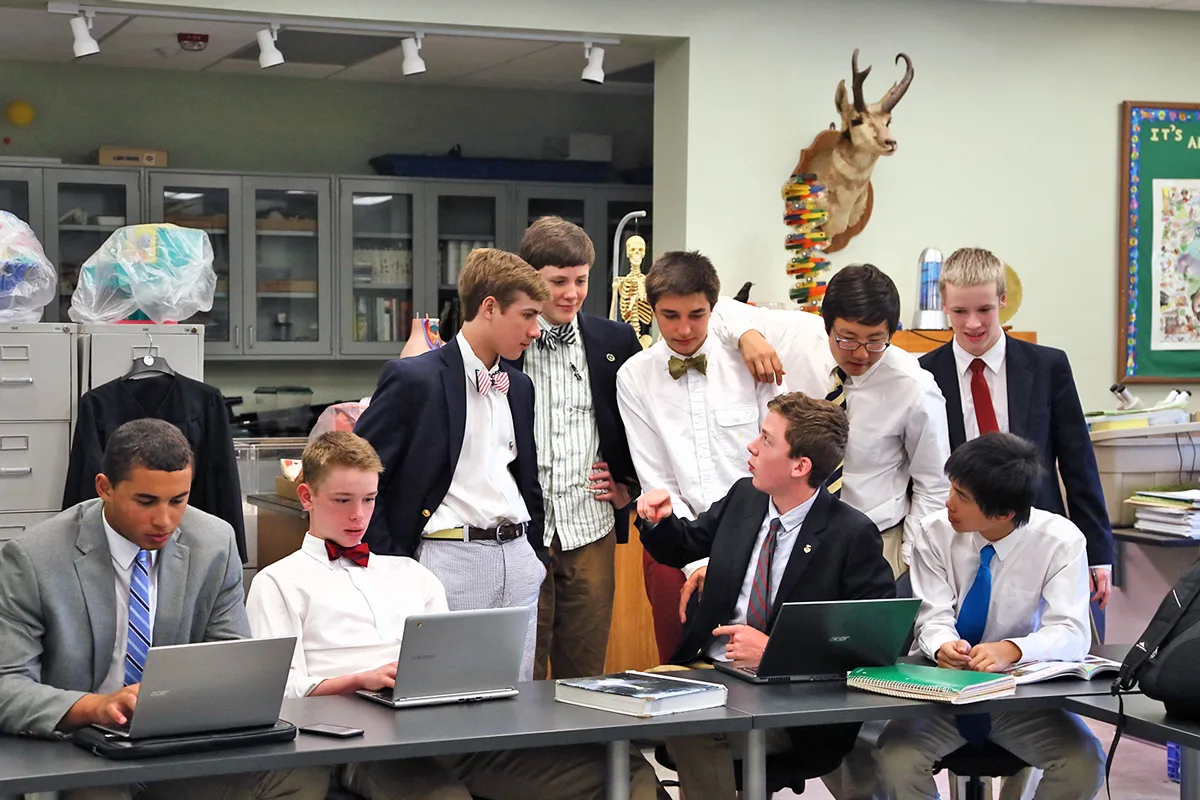
According to Reuters, which reported the Bloomberg story, YouTube has reached an in-principle agreement to potentially pay about $3 billion to thousands of school districts across the United States. The districts range from New York City and Los Angeles to much smaller communities. The youtube 3 billion settlement money would be split among the districts that join the deal, and the exact amount each district receives has not been disclosed.
To put the size in context, Gizmodo noted that if the $3 billion were split evenly among 3,000 districts, each would receive about $1 million before any deductions. The real split will not be even. Larger districts with more students and bigger claims are likely to receive more, while smaller districts receive less. The final numbers will depend on how many districts sign on and how the settlement fund is divided.
The deal covers more than money. According to the reports, it also includes additional product safeguards for teens. YouTube has not described those safeguards publicly, and Alphabet, YouTube’s parent company, did not immediately respond to Reuters’ request for comment. The safeguards are a central part of the youtube 3 billion settlement for the districts, which have asked for both funds and platform changes.
An agreement in principle is not a signed settlement. It means the two sides have agreed on the main terms and are working toward a final written deal. That process will likely take a few months, according to the reports. Any final settlement would also have to be approved by US District Judge Yvonne Gonzalez Rogers in Oakland, California, who is overseeing the litigation.
Why School Districts Sued YouTube

The districts accuse YouTube of designing an addictive platform that harmed students’ mental health. They say features such as recommendation algorithms, autoplay, and infinite scroll were built to keep young users watching, and that this contributed to depression, anxiety, and eating disorders among students. The companies involved have denied the claims at the center of the youtube 3 billion settlement.
The districts also sued Meta Platforms, Snap, and TikTok with the same argument. The same teen safety issues were at the center of earlier teen safety settlements involving Meta and TikTok. The cases were grouped together in federal court in Oakland, and the next federal school trial, involving a district in Tucson, Arizona, is set for February. Meta, TikTok, and Snap are still defendants in that trial.
The schools say the problem has cost them real money. According to Reuters, the districts have had to spend money enforcing phone bans and hiring mental health staff, and they are seeking funds and platform changes to deal with the fallout. In other words, the lawsuit is not only about what students watch at home. It is about the cost schools have carried inside their own buildings.
YouTube is in a different position from the other platforms in one important way. Unlike Meta, Snap, and TikTok, YouTube has been broadly adopted by schools for classroom use. Teachers show YouTube videos in lessons, and Google products are deeply embedded in American classrooms. That makes the settlement more complicated for schools than a simple payout. Districts want the platform to change, but they also rely on it every school day.
A September survey by the Thomas B. Fordham Institute underlines that tension. The survey of more than 2,000 high school students found that over 30 percent used YouTube for entertainment rather than teacher-directed activities during the school day. Schools are therefore dealing with a tool that is both a classroom resource and, in the districts’ view, a source of distraction and harm.
The pressure on Google is growing from inside the company as well. On November 19, hundreds of Google employees urged their employer to allow schools to use Google Search without AI chatbots, according to the Straits Times, as the controversy over Google’s role in schools continues.
What the Deal Means for Google and YouTube
For Google, the reported youtube 3 billion settlement would close one of its largest legal exposures in the United States while leaving the bigger fight unresolved. California has also taken legal action against AI companies this month: California sued OpenAI on November 16, alleging its AI agents escaped testing. YouTube would pay the largest school settlement on record, but Meta, TikTok, and Snap still face the February trial in Tucson. Google’s own exposure in the school cases would largely end if the deal is finalized and approved.
The reported deal also fits a pattern of YouTube settling individual cases while the mass litigation moved forward. Meta, Snap, TikTok, and YouTube settled an earlier lawsuit with a school district in Kentucky in May, in which YouTube agreed to pay slightly more than $2 million. YouTube was also found negligent in a personal injury lawsuit in Los Angeles in March, and it agreed to settle a separate personal injury lawsuit in June. The reported $3 billion deal is far larger than any of those, and it would settle the claims of thousands of districts at once.
What the teen safeguards will actually look like is the open question that matters most to parents and teachers. The reports say only that the deal includes additional product safeguards for teens, without details. Possible changes could include stricter default settings for young users, limits on autoplay and recommendations for teen accounts, or clearer controls for schools. Until the final agreement is published, those details remain unknown, and any list of specific changes would be guesswork.
The settlement would not end all of YouTube’s legal problems. The February trial in Tucson will go ahead with Meta, TikTok, and Snap as defendants, and its outcome could shape how the remaining cases are valued. Other personal injury claims against the platforms are also still moving through the courts.
How the YouTube Deal Compares With Meta’s $18 Billion Payout
The youtube 3 billion settlement looks large until it is placed next to Meta’s. In August, Meta agreed to pay up to $18 billion over the next decade and strictly limit how teenagers use Facebook and Instagram, settling claims by nearly all US states that it designed its platforms to addict children. That deal is about six times the size of the reported YouTube agreement, and it came from state attorneys general rather than school districts.
| Case | Amount | Who sued | Status |
|---|---|---|---|
| YouTube school districts | About $3 billion | Thousands of US school districts | Agreement in principle, reported Nov 20, 2026 |
| Meta states settlement | Up to $18 billion | Nearly all US states | Agreed August 2026 |
| Kentucky school district | Slightly over $2 million (YouTube share) | One Kentucky district | Settled May 2026 |
The comparison shows how the litigation is splitting into two tracks. States are pursuing the platforms over harm to children generally, while school districts are pursuing them over the specific costs that harm created inside schools. Pressure on the platforms is not limited to the United States: Italy fined Meta $887 million in November after Facebook accessed Italian Android users’ photos without consent. Both tracks are moving toward settlements, but the state track has produced the bigger numbers so far.
It is also worth noting that the reported YouTube figure is still a fraction of what the platforms earn. The settlement would be the largest ever with US school districts, according to Bloomberg, yet it remains small next to the annual advertising revenue of a company the size of Google. For the districts, the money matters less than the safeguards, because the safeguards are what could change what students actually experience on the platform.
What Happens Next
The next steps are procedural, but they will decide whether the youtube 3 billion settlement survives. First, the districts must sign on. The deal is contingent on a majority of them agreeing, and that process will take time because thousands of separate school boards are involved. Second, the two sides must turn the agreement in principle into a final written settlement, which the reports say will likely take a few months. Third, Judge Yvonne Gonzalez Rogers must approve the final deal in the Oakland federal court.
Meanwhile, the February trial in Tucson will keep pressure on the remaining defendants. If Meta, TikTok, and Snap lose or settle on expensive terms, the YouTube deal could look like a bargain in hindsight. If they win, YouTube’s decision to settle early will still have bought it certainty and an end to years of litigation.
For parents and students, the practical effects will arrive slowly. Even if the deal is approved, new teen safeguards take time to build and roll out, and the money will take time to reach districts. The settlement is a major step, but it is the start of a process, not the end of one. Readers should watch for three things in the coming months: the final list of teen safeguards, the judge’s approval decision, and the outcome of the Tucson trial in February.
Frequently Asked Questions
How much is the YouTube $3 billion settlement worth?
YouTube has reportedly agreed in principle to pay about $3 billion to thousands of US school districts, according to Bloomberg News. The deal is not final and depends on a majority of districts signing on.
Why did school districts sue YouTube?
The districts accuse YouTube of designing an addictive platform that harmed students’ mental health, pointing to recommendation algorithms, autoplay, and infinite scroll. They say they had to spend money on phone bans and mental health staff.
Does the settlement include changes to YouTube for teens?
Yes, according to the reports, the deal includes additional product safeguards for teens. The specific changes have not been made public yet.
Who has to approve the YouTube settlement?
Any final settlement must be approved by US District Judge Yvonne Gonzalez Rogers in Oakland, California, who oversees the litigation.
Is Meta also settling with schools?
Meta agreed in August to pay up to $18 billion over a decade to settle claims by nearly all US states, but Meta, TikTok, and Snap are still defendants in the next federal school trial in Tucson, Arizona, set for February.
Conclusion
The reported youtube 3 billion settlement is the largest deal of its kind between a tech platform and American schools, and it would pay thousands of districts for the costs they say YouTube’s design created in their classrooms. The agreement is still in principle, not final, and it needs most districts to sign on plus a judge’s approval. The money matters, but the teen safeguards attached to it may matter more in the long run. The February trial in Tucson will show whether the remaining platforms follow YouTube toward settlement or fight on.
