Senate Passes Permitting Bill to Speed Up Energy Projects in 62-33 Vote
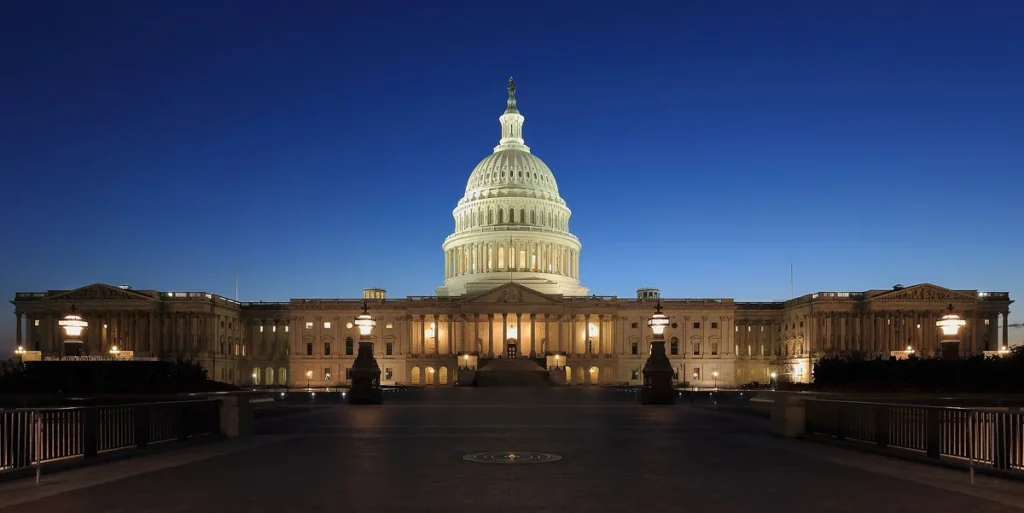
The senate permitting bill passed late on Thursday, November 19, when the US Senate voted 62 to 33 to approve the most significant overhaul of federal project approvals in years. The Bipartisan American Affordability and Jobs Act speeds up permits for power plants, transmission lines, mines and data centers, cutting years off projects Americans need to lower energy bills and keep the lights on. Fourteen Democrats and one independent joined most Republicans to pass the more than 400 page bill, which now heads to the House of Representatives, where its future is uncertain and the clock is running out.
The vote is a rare bipartisan win, and it comes as energy costs rise and demand from artificial intelligence data centers strains the power grid. Supporters say the bill will cut household bills and let America build again. Critics say it weakens environmental protections and tribal rights. Here is what the bill does, who wrote it, and what happens next.
Table of Contents
What the Senate Permitting Bill Does
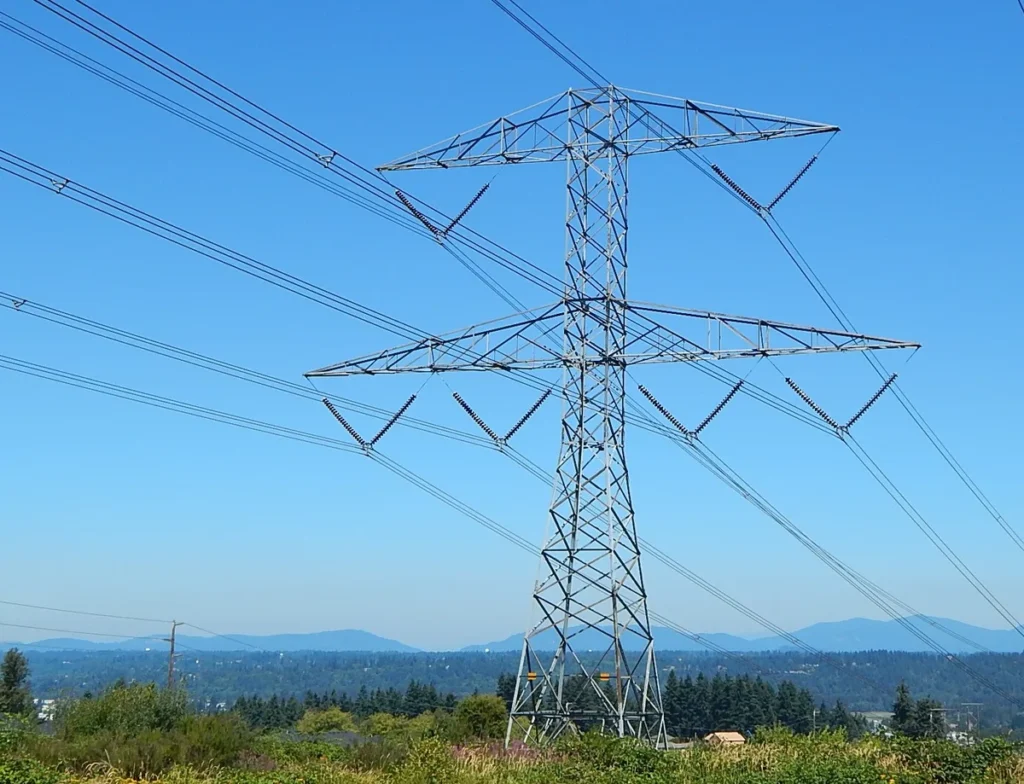
The bill attacks the slowest part of building anything in America: federal permitting. Today, a power plant, a transmission line or a mine can spend years in environmental reviews and court challenges. The bill shortens deadlines for many federal environmental reviews, narrows the window for lawsuits against developers, and restricts the circumstances in which an approval can be withdrawn. It also reforms the National Environmental Policy Act, known as NEPA, and the way the Federal Energy Regulatory Commission, or FERC, handles transmission siting.
The bill sets a nine month deadline for reviews of gas pipelines and transmission lines, and limits those reviews to direct point source discharges. It reforms FERC’s federal backstop transmission siting authority and eliminates the Energy Department’s National Interest Electric Transmission Corridor framework. It makes it easier to issue oil and gas permits on split estate basins, where the federal government owns the minerals under private land, and it streamlines geothermal development by removing duplicative federal permitting. Two provisions by Senator John Hoeven of North Dakota are included in the package.
The bill also gives permitted projects more certainty. Once a project has its permits, they stay in place except in extraordinary circumstances, legal violations, or under a court order. That certainty is what developers need before committing billions of dollars to a project. According to Reuters, the bill marks Congress’ most significant effort in years to ease the bottlenecks blamed for rising energy costs.
Who Wrote the Bill and How the Vote Broke Down

The bill was written by an unusual bipartisan team: Republican Senators Shelley Moore Capito of West Virginia and Mike Lee of Utah, with Democratic Senators Martin Heinrich of New Mexico and Sheldon Whitehouse of Rhode Island. It was first introduced in September after months of negotiations, and the vote was scheduled for after the November midterm elections. President Donald Trump has spoken in favor of the bill, and Reuters reported that he has said he will sign it into law if it reaches his desk.
Fourteen Democrats and one independent joined most Republicans, and two Republicans voted against it. “Tonight, the passage of permitting reform in the Senate finally became reality, and we took a major step towards addressing the affordability concerns of the American people,” Capito said after the vote. Senate Majority Leader John Thune said the legislation “cuts through decades of red tape that has made it unnecessarily difficult and costly to build things in America.”
The coalition is itself a story. It is backed by the oil and gas industry and the White House, but also by clean energy developers and climate activists who say faster permitting is the only way to build the solar, wind, battery and transmission projects the transition needs.
Senator Whitehouse wrote on X that the bill is “a big step forward in our fight against climate change,” citing the 1.5 gigatons of emissions it would lower through 2040, “the same as taking nearly 35 million gas-powered cars off the road.” Senator John Barrasso of Wyoming published a statement welcoming the vote on the Senate website, and you can read Reuters’ report on the vote for the full details.
Data Centers at the Center of the Fight
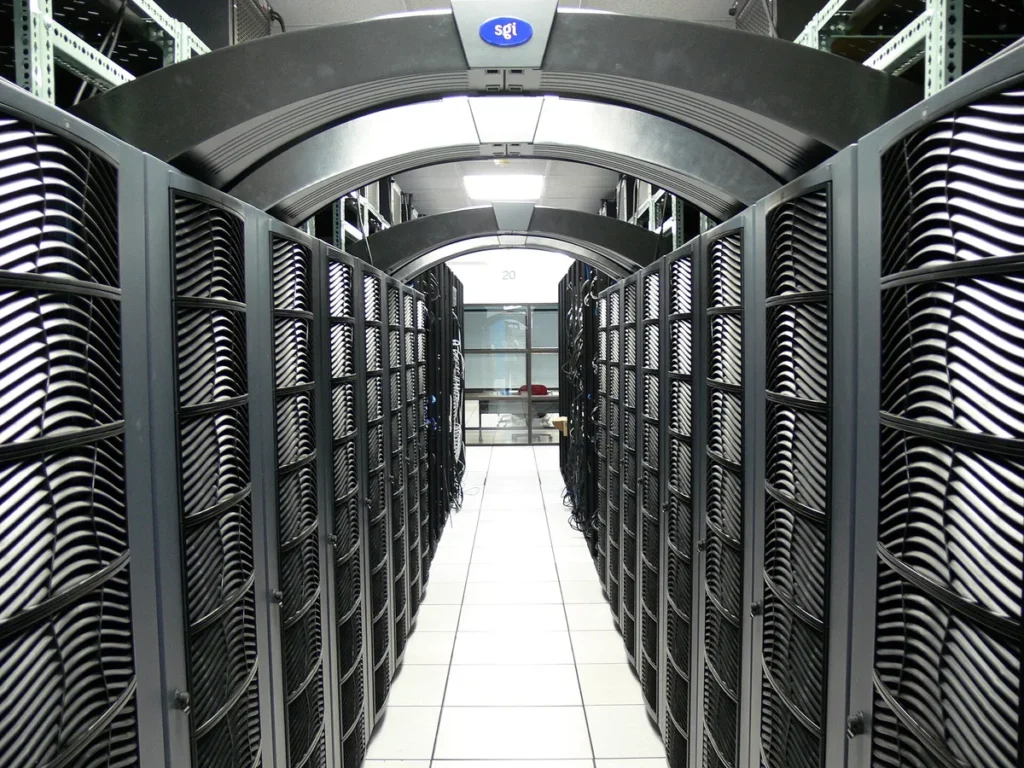
No part of the bill has drawn more argument than data centers. The facilities that power artificial intelligence need enormous amounts of electricity, and developers have been accused of pushing transmission costs onto ordinary households. The bill answers that directly: data centers must pay for all of their associated transmission costs, and a provision charges developers extra for grid access. Backers say the rule is tough but fair.
Critics are not convinced. Senator Jeff Merkley, Democrat of Oregon, said the bill would “put the pedal to the floor” on data center development, and attacked its treatment of tribal communities. “This bill ran right over the top of them,” Merkley said of Indigenous groups, who argue the bill could infringe on treaty rights and endanger sacred sites. Oil Change International called the legislation a “fossil fuel giveaway,” and 17 Democratic state attorneys general wrote a letter seeking revisions to protect laws they say the bill could weaken.
Dozens of local data center moratoriums passed at the county and city level in the November midterms, as communities pushed back against the noise, water use and power demands of new facilities. That backlash is part of why the bill’s authors insisted on the pay your own way rule. The same demand for computing power is driving the AI boom covered in our report on Anthropic’s blockbuster stock market debut.
What It Means for Your Energy Bill
The bill’s name gives away its pitch: affordability. The Rhodium Group, an independent research firm, found the bill would reduce electricity bills by between 50 and 78 dollars a year per household by 2040. Thune said on the Senate floor that the bill would save the average household hundreds of dollars each year, because slow permitting has raised the cost of everything from drinking water to bridge and road repairs.
Those savings are not guaranteed. The Rhodium estimate runs to 2040, so the biggest benefits arrive gradually, as new power plants and transmission lines come online. In the short term, faster building means more power reaches the grid sooner, putting downward pressure on prices where demand is growing fastest. The bill also bolsters clean energy sources like wind and solar alongside oil, gas and coal.
The affordability argument lands in a difficult moment. Our report on global inflation running at 4.7 percent explains how rising prices squeeze family budgets, and our report on the Federal Reserve’s latest minutes covers the central bank’s rate debate. Whether this bill lowers bills will depend on what gets built, and how fast.
What Happens Next in the House
Passing the Senate was the easier half. The bill now moves to the House of Representatives, where its future is uncertain and the legislative window is shrinking. If the House does not pass it before the 120th Congress takes over in January, the legislation would have to be reintroduced from scratch, and the bipartisan coalition would have to be rebuilt too. Some Democrats in the House have already voiced opposition, and many Republicans are bracing to leave Capitol Hill after losing their seats in the midterms.
Democrats won the House in the midterms and take control in January, which makes the remaining weeks of this session the best, and possibly the only, chance for the bill to become law. The White House supports it, the Senate has passed it, and the only missing piece is a House vote. Our report on the Dow’s 1,100 point drop shows how closely markets are watching Washington.
Frequently Asked Questions
What is the Senate permitting bill?
The Bipartisan American Affordability and Jobs Act is a bill the Senate passed 62 to 33 on November 19, 2026. It speeds up federal permitting for power plants, transmission lines, mines and data centers by shortening environmental review deadlines and limiting lawsuits against developers.
How much could it save households on energy bills?
An analysis by the Rhodium Group found the bill would reduce electricity bills by 50 to 78 dollars a year per household by 2040. Senate Majority Leader John Thune said it would save the average household hundreds of dollars each year.
Why are data centers part of the bill?
Data centers that power artificial intelligence use huge amounts of electricity. The bill requires them to pay for all of their associated transmission costs, so ordinary households do not subsidise the power lines that serve them.
Who supported and opposed the bill?
The bill was written by Republican Senators Shelley Moore Capito and Mike Lee with Democratic Senators Martin Heinrich and Sheldon Whitehouse. Fourteen Democrats and one independent joined most Republicans to pass it. Critics include Senator Jeff Merkley and tribal groups.
Will the bill become law?
Not yet. It must pass the House of Representatives and be signed by President Trump, who has said he will sign it. If the House does not pass it before the 120th Congress takes over in January 2027, the bill would have to be reintroduced.
Conclusion
The senate permitting bill is the biggest change to American project approvals in years, and it passed because an unlikely coalition agreed it takes too long to build in America. The 62 to 33 vote and the White House’s backing give the bill real momentum, and the Rhodium Group’s estimate of 50 to 78 dollars a year in household savings gives supporters a concrete promise to defend. But the bill still has to survive the House, where opponents are waiting and the clock is running out. If it passes, the test is whether faster permits mean cheaper power. If it fails, the fight starts again in January.
