Voyager 1 Reaches One Light-Day From Earth, a Historic First
The voyager 1 light day milestone is now official. NASA’s Voyager 1 probe, the farthest human-made object ever launched, has reached one light-day from Earth, a distance no other human-made object has ever achieved. At 5:16 a.m. ET on Wednesday, November 18, the spacecraft crossed a line roughly 16 billion miles from home, so far away that a radio signal moving at the speed of light now takes a full 24 hours to reach it, and a reply takes another full day to come back.
One light-day is the distance light travels in 24 hours, about 16 billion miles or 26 billion kilometers, more than four times the distance from the Sun to Pluto. Voyager 1 has held the title of farthest human-made object since 1998, when it passed Pioneer 10, but the voyager 1 light day milestone is the first time any object built by humans has been a full light-day away. “It’s never happened before, and it may never happen again, it’s that kind of extraordinary,” said Kareem Badaruddin, Voyager mission manager at NASA’s Jet Propulsion Laboratory in Pasadena, California.
Table of Contents
A 49-Year Voyager 1 Light Day Journey Into Interstellar Space
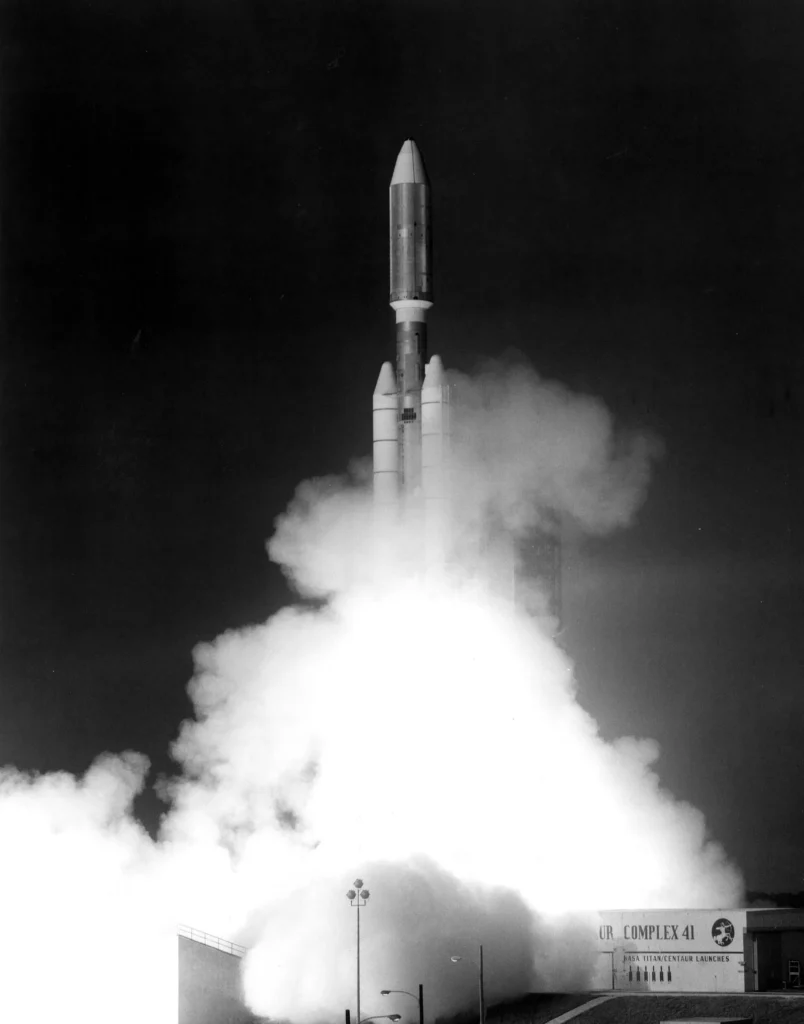
Voyager 1 launched on September 5, 1977, sixteen days after its identical twin Voyager 2, from Cape Canaveral in Florida. The two spacecraft were built to explore the outer planets, and they transformed scientists’ understanding of the solar system before heading outward. Voyager 1 left the heliosphere, the vast protective bubble of charged particles generated by the Sun, in 2012, and Voyager 2 followed in 2018. They are the only spacecraft ever to venture beyond it, into interstellar space.
The probe is now racing through the cosmos at nearly 38,000 miles per hour, about 37,800 miles per hour according to NASA, and it is heading toward Gliese 445, a star more than 17 light-years away in the constellation Ursa Minor. If Voyager 1 keeps going, it could pass within 1.7 light-years of that star, in about 40,000 years. NASA expects the spacecraft to take about 18,000 years to travel a full light-year. The voyager 1 light day crossing is the farthest any human-made object has ever traveled.
The feat is “the best illustration of just how vast space is,” said NASA scientist Tiffany Kataria. For comparison, sunlight takes just over eight minutes to reach Earth. A message sent to Voyager 1 now takes a day, and engineers must wait two days for the question and the answer to make the round trip. “The numbers are just wild,” said Joe Westlake, director of heliophysics at NASA. “The Voyagers have been moving at 30-plus thousand miles per hour for 49 years, and that’s just, that distance is unfathomable in my mind, but that’s one light-day.”
Still Working After Nearly 50 Years
The voyager 1 light day probe is a functioning relic of 1970s technology, and it has survived far past its expected lifespan. The spacecraft no longer works as well as it did in its prime. Eight of its original 10 instruments are not operating, and the output from its plutonium-238 power source degrades a little bit each year. NASA engineers have always found a way to keep it going, using backup thrusters and rerouting data, long enough to reach this distance.
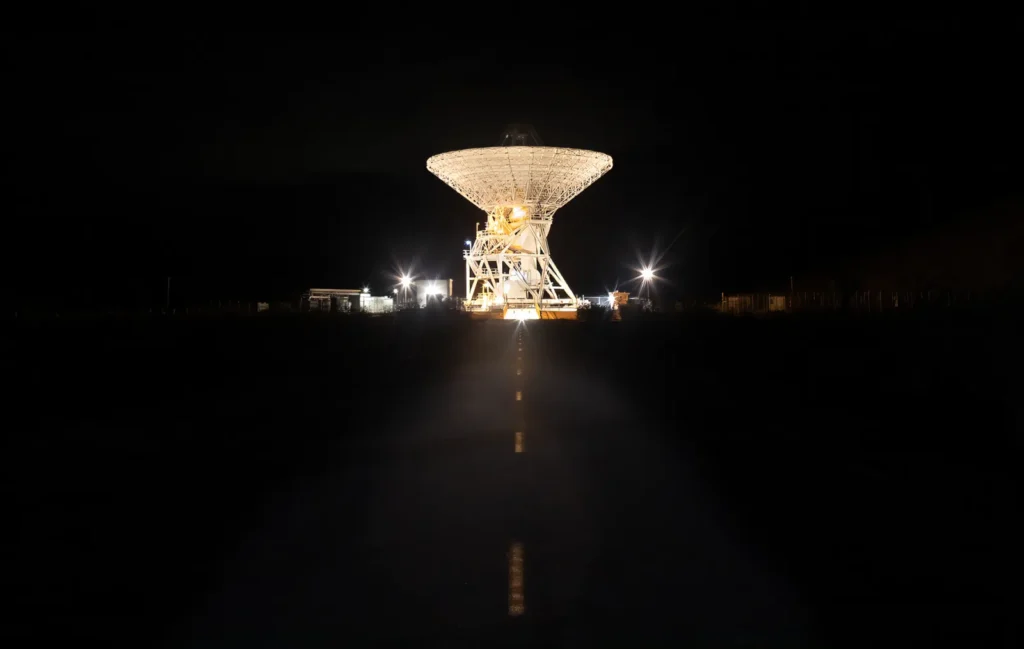
NASA is still able to send commands to the voyager 1 light day spacecraft and receive data from it using the Deep Space Network, a collection of large ground-based radio antennas including the 34-meter dishes at Goldstone in California. The probe itself will not notice anything special about crossing the one-light-day line, but the milestone matters for what comes next. The spacecraft is expected to lose communications with Earth in 2029, when its power finally dies, and its twin will follow in 2031.
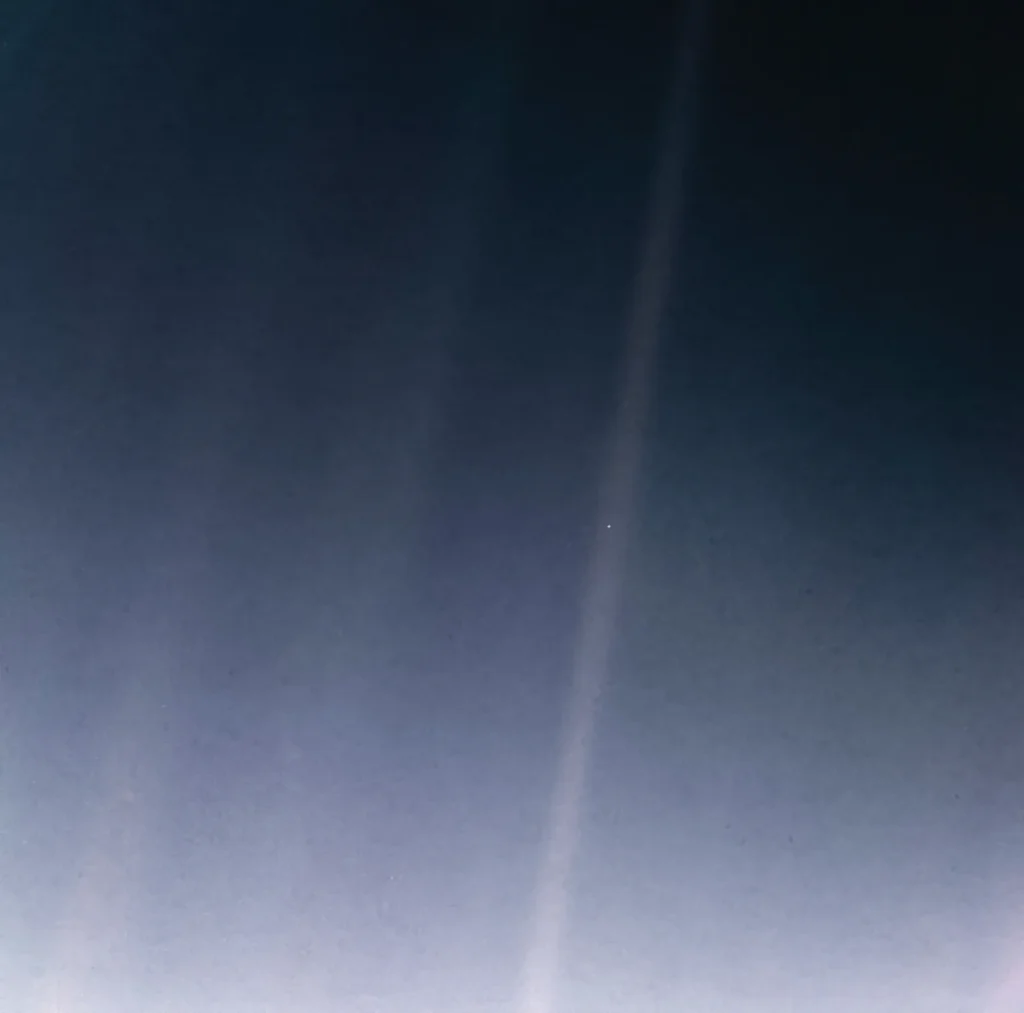
In the summer of 2027, the two spacecraft will each reach another milestone in time. On September 5 and August 20 respectively, they will each have spent 50 years in space. Voyager 2 is expected to reach one light-day in 2035, but it is unclear whether the twin vehicles will still be operating and communicating by then. Voyager 1 also took the most famous photograph in space history: the “Pale Blue Dot” image of Earth, taken on February 14, 1990, from about 3.7 billion miles away, showing our planet as a single pale speck in a band of sunlight.
Our report on the first SpaceX Starship tower catch covers another American space milestone, and our report on the ULA Vulcan rocket failure covers a recent launch that went wrong. NASA’s Voyager mission pages are published by NASA Science, and the Jet Propulsion Laboratory tracks both probes on jpl.nasa.gov.
Frequently Asked Questions
What does one light-day mean?
A light-day is the distance light travels in 24 hours, about 16 billion miles or 26 billion kilometers. Voyager 1 crossed that distance from Earth at 5:16 a.m. ET on November 18, 2026, becoming the first human-made object to reach it.
How far away is Voyager 1 now?
Voyager 1 is more than 16 billion miles from Earth, traveling at nearly 38,000 miles per hour through interstellar space. Radio signals now take 24 hours to reach it, so a round trip takes about two days.
When was Voyager 1 launched?
Voyager 1 launched on September 5, 1977, from Cape Canaveral, Florida, sixteen days after its twin Voyager 2. Both will mark 50 years in space in the summer of 2027.
Where is Voyager 1 going?
Voyager 1 is heading toward Gliese 445, a star more than 17 light-years away. It could pass within 1.7 light-years of the star in about 40,000 years.
How much longer will Voyager 1 keep working?
NASA expects Voyager 1 to lose communications with Earth around 2029 as its plutonium power source fades. Eight of its original 10 instruments have already been turned off to conserve power.
Conclusion
The voyager 1 light day milestone is a quiet record with no fireworks: a 49-year-old spacecraft, built with 1970s technology, crossing a line 16 billion miles from home where light itself needs a full day to arrive. Voyager 1 will not notice the crossing, and its power will fade within a few years, but no human-made object has ever been this far away, and none may be again for a long time. For a probe launched before most of its engineers were born, one light-day is the fitting capstone to the greatest journey in the history of exploration.
