NSA Outage Knocks Out Classified Network After Software Patch Fails
The NSA outage that took down the National Security Agency’s classified internal network on Tuesday, November 17, 2026, was caused by a software patch that did not deploy as intended, according to US officials. The network, known as NSANet, is how NSA employees share classified information inside the agency, and it stopped working during scheduled routine maintenance. The outage was first reported by CNN, which cited six people familiar with the matter. The agency said its mission-critical capabilities stayed fully operational, and officials across the administration said there is no evidence of a cyberattack. The incident is the latest in a week of technology failures across the United States, from a nationwide flight ground stop to outages at Microsoft, JPMorgan Chase, United Airlines and Apple.
Table of Contents
What Is NSANet?
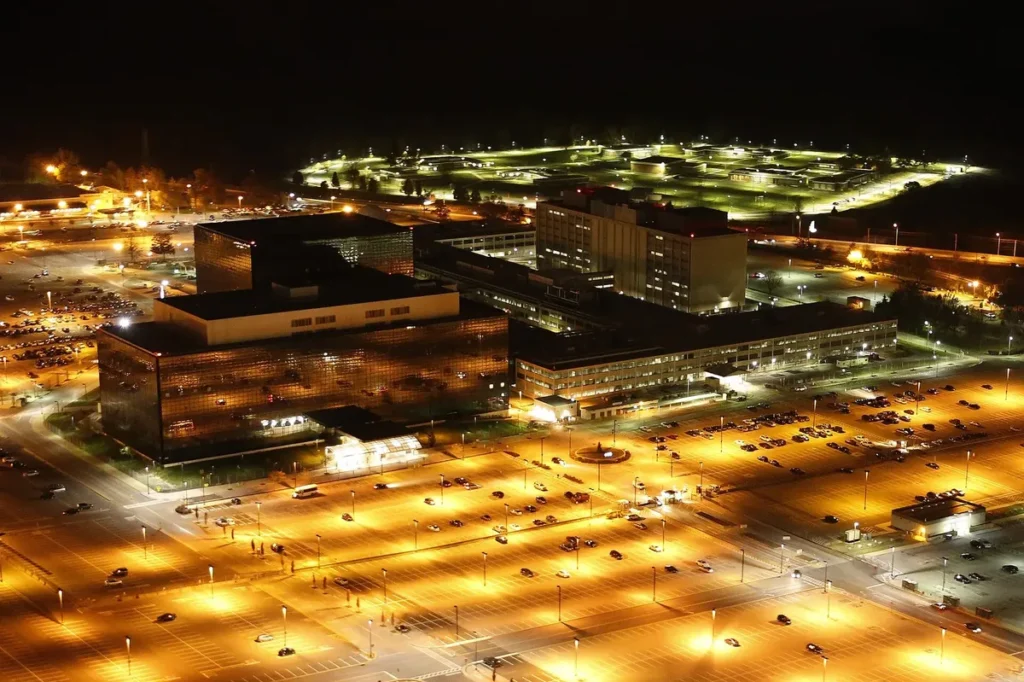
NSANet is the NSA’s internal communications network, used by its personnel to exchange sensitive intelligence, assessments and other classified information. It supports the intelligence gathering, analysis and reporting work inside the agency. The NSA collects and analyses foreign signals intelligence, intercepting and examining electronic communications and signals to gather information about world governments, military establishments and other entities. That intelligence helps inform US national security decisions, military planning and counterterrorism operations.
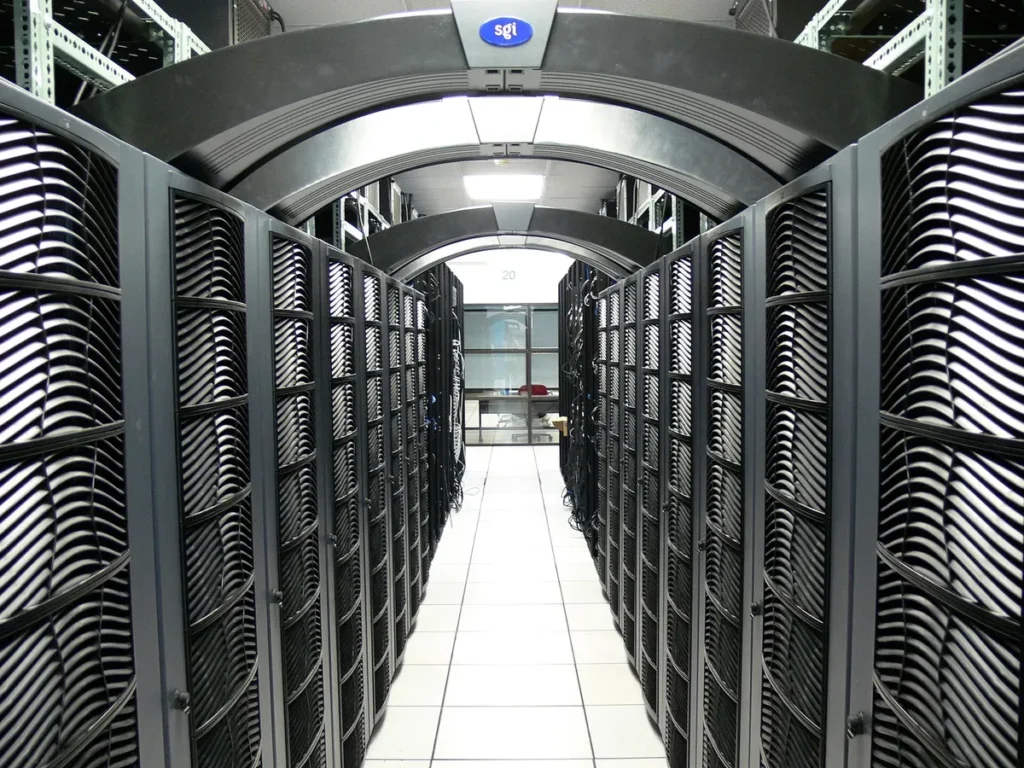
An outage of NSANet could disrupt internal communication, intelligence analysis and reporting, even if backup systems are available to maintain critical operations. A former NSA official told CNN that NSANet was “more of a network of networks, and it is unlikely that a full outage exists given the many redundancies in place.” The former official added that the disruption could impact analysis and reporting, but that for the highest priority requirements the agency would find a way to work. The assessment, in short, was that the outage is alarming but likely not crippling.
What Caused the NSA Outage?

The NSA attributed the disruption to scheduled maintenance rather than a security breach. In a statement on Tuesday, the agency said: “The National Security Agency experienced temporary degradation during scheduled routine maintenance. While some internal systems were affected, mission-critical capabilities remain fully operational and our ability to defend national security continues. NSA’s infrastructure is designed with multiple layers of redundancy to maintain operations during planned maintenance or unexpected events.”
The fuller explanation came from Jay Clayton, the Director of National Intelligence. Clayton told Fox Business that the NSA outage was the result of the agency applying a software patch to address major software vulnerabilities that were discovered last month. “The patching that has gone on following that has caused some of these systems to not come back up when you patch them as expected,” Clayton said. The vulnerabilities were associated with PHP, a programming language used to operate websites and online applications. Hackers could exploit flaws in PHP to break into websites and read memory that could contain sensitive information, including passwords.
The New York Times, citing officials, also reported that the NSA outage appeared tied to trouble during a software patch for a system update. Two people familiar with the matter said a software patch was applied after vulnerabilities were discovered in October, though the precise reason some systems failed to come back up had not been fully established. A defence official who spoke to The Associated Press on condition of anonymity confirmed that the problem disrupted the operations of NSANet, and said the agency had not provided additional details on the cause or the scope of the disruption.
Fort Meade Campus Closes to Most Staff
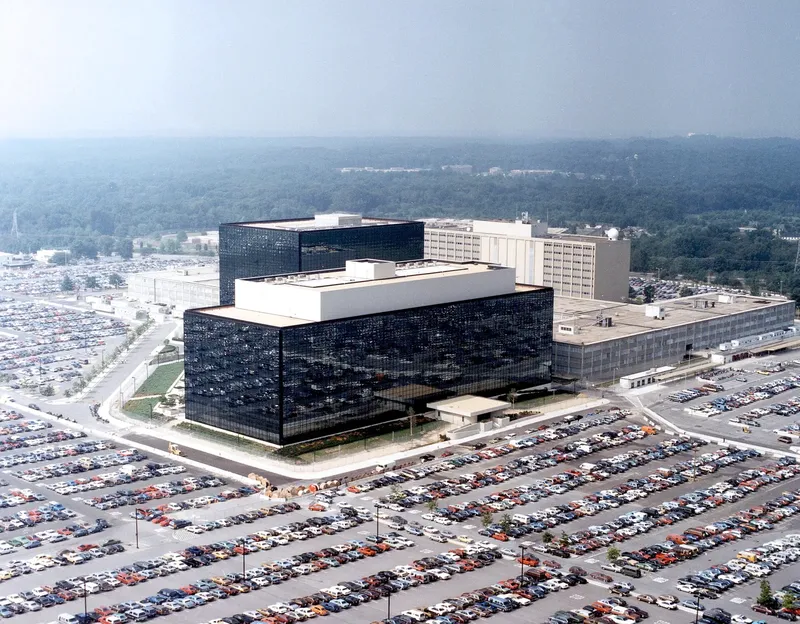
The agency closed its Fort Meade, Maryland, headquarters campus to most employees on Tuesday night, reverting to essential personnel only as it worked to restore the network. A voicemail recording for NSA employees described the situation as code yellow, the second-highest level in a three-level system governing whether staff report to the Fort Meade headquarters. Non-emergency personnel were told to arrive in staggered shifts, while emergency personnel reported as usual.
By Tuesday evening, the NSA had returned to its regular work schedule, though restoration of the affected systems was still under way. CNN reported that the agency introduced staggered reporting times for employees while assessing the extent of the disruption, and that work to restore the network was still ongoing. The staggered arrivals and the campus closure underline how seriously the agency took the incident, even as it insisted that its core mission was unaffected.
Officials Say No Cyberattack Behind the NSA Outage
Clayton was categorical on CNBC on Tuesday: “This is not a cyber attack and this is not a coordinated effort by a nation-state.” He attributed the problem instead to the fact that government institutions and private companies were pushing through upgrades of their computer systems around the same time, resulting in periodic technological hiccups. “Many people are patching their systems. They know that their legacy systems have vulnerabilities. They are outdated, they do not work well with new systems. It is time for an upgrade across our digital infrastructure. And as you patch and upgrade your systems, taking them down and bringing them back up, there are things like this that happen,” Clayton added.
Secretary of State Marco Rubio, who is also the national security adviser, told reporters there was “zero” evidence that the outages are connected or tied to rival nations, cyber hackers or criminals. “Sometimes when you are going in to fix your system because you have identified a vulnerability, it creates a short-term disruption,” Rubio said. Two US officials also told CBS News there were no indications that a cyberattack was behind the outage, and the White House said there was no evidence of a cyberattack and no crisis for Americans to worry about.
Senator Mark Warner, the Democratic vice chairman of the Senate Intelligence Committee, echoed that assessment in a statement. “AI is making it possible to identify vulnerabilities across enormous numbers of systems at unprecedented speed, creating enormous pressure on companies and government agencies to patch those vulnerabilities immediately, often all at once, putting tremendous strain on systems that were not built to handle that pace of change,” Warner said. “While we still need to get to the bottom of these incidents, the evidence so far points toward legitimate efforts to secure our systems, not malicious activity.”
The Wider Wave of US Outages
The NSA episode is the latest in a series of cyber-related disruptions to critical government and private sector functions in the last week. On Friday, a system overload resulted in a nationwide ground stop of air traffic in the United States, ordered by the Federal Aviation Administration after a telecommunications failure. Microsoft services suffered an outage, and on Monday a technical issue at JPMorgan Chase caused ripple effects in the financial system. Our report on the Chase bank outage covers that incident in detail.
On Tuesday, an internal systems outage at United Airlines delayed departing flights, and Apple acknowledged on its system status page that its Apple Music, App Store and AppleCare services suffered full outages after an internal update. Our reports on the Apple outage and the United Airlines outage cover those incidents, and the Workday outage locked out payroll and HR systems for thousands of workers earlier in the same wave. None of the outages has been attributed to a cyberattack or nefarious activity.
The market felt the strain too. Reports of the classified NSA network outage added to selling on Tuesday, and the Dow plunged 1000 points intraday before closing down 849, its second straight day of heavy losses. President Donald Trump, travelling in Asia, was initially dismissive of the outages. “It is fine,” he said on Tuesday from Manila, suggesting the failures were just a consequence of being a nation that is “big and powerful.”
What Happens Next
Restoration of the affected NSA systems is still under way, and the incident has raised fresh questions about the reliability of digital infrastructure supporting national security. The episode highlights a tension that Warner and Clayton both described: the faster that new vulnerabilities are found, the faster that systems must be patched, and the more that patching itself can break things. The NSA says its infrastructure is built with multiple layers of redundancy, and the agency’s insistence that mission-critical capabilities never stopped suggests that those layers did their job.
For now, the official picture is consistent across every source: a maintenance patch, not an attack, took NSANet down; the agency’s core work continued; and the systems that failed to come back up are being restored. What remains open is how long the full restoration takes, and whether the government and the private sector change how they schedule major patches after a week in which so many went wrong at once.
Frequently Asked Questions
What is NSANet?
NSANet is the National Security Agency’s classified internal communications network. It allows NSA employees to share classified information, intelligence assessments and reporting inside the agency, and it supports the agency’s intelligence gathering, analysis and reporting work.
Was the NSA outage caused by a cyberattack?
No, according to every official who has spoken about it. The Director of National Intelligence, Jay Clayton, said it was not a cyberattack and not a coordinated effort by a nation-state. Secretary of State Marco Rubio said there was zero evidence linking the outages to hackers or rival nations, and two US officials told CBS News there were no indications of a cyberattack.
Did the outage affect US national security operations?
The NSA said its mission-critical capabilities remained fully operational and its ability to defend national security continued. A former NSA official told CNN the outage could impact analysis and reporting, but that the agency would find a way to handle its highest priority requirements.
What caused the NSA outage?
The outage happened during scheduled routine maintenance, when the agency applied a software patch to fix major vulnerabilities in PHP that were discovered last month. Some systems did not come back up as expected after the patch, according to the Director of National Intelligence.
Conclusion
The NSA outage took the classified NSANet network offline on Tuesday after a software patch failed to bring systems back up, closing the Fort Meade campus to most staff and forcing staggered arrivals. Officials were quick to rule out a cyberattack, pointing instead to a patch for PHP vulnerabilities discovered last month, and the agency says its mission-critical work never stopped. The incident closes a week of failures across American infrastructure, from flights to banks to Apple services, and it leaves an open question about how safely the country can keep patching the systems it depends on.
