
Dow Plunges 1,000 Points as US Stocks Fall to Lowest Since July
The Dow plunges 1000 points at its lowest point on Tuesday, November 17, 2026, as US stocks tumbled in a second straight day of heavy selling that left the S and P 500 at its lowest close since late July.
The Dow fell 848.75 points, or 1.64 percent, to close at 50,759.42, after dropping to a low just under 50,600 during the session. The S and P 500 fell 1.03 percent to 7,340.53, its lowest closing level since late July, and the Nasdaq Composite fell 0.74 percent to 24,328.38 after dropping as much as 2.1 percent intraday to its lowest level since April. It was the S and P 500’s fourth consecutive losing session, and the selling spread across all 11 sectors of the index.
The drop came a day after an even sharper fall on Monday, when the Nasdaq dropped 2.49 percent and the Dow lost 739 points. Together, the two days have wiped out months of gains and pushed the market into a mood that traders describe as fearful, with the VIX volatility index jumping more than 11 percent to about 25.5. Reports of a classified network outage at the National Security Agency added to the selling during the session, on top of a software selloff and anxiety ahead of Nvidia’s earnings report after the close.
Table of Contents
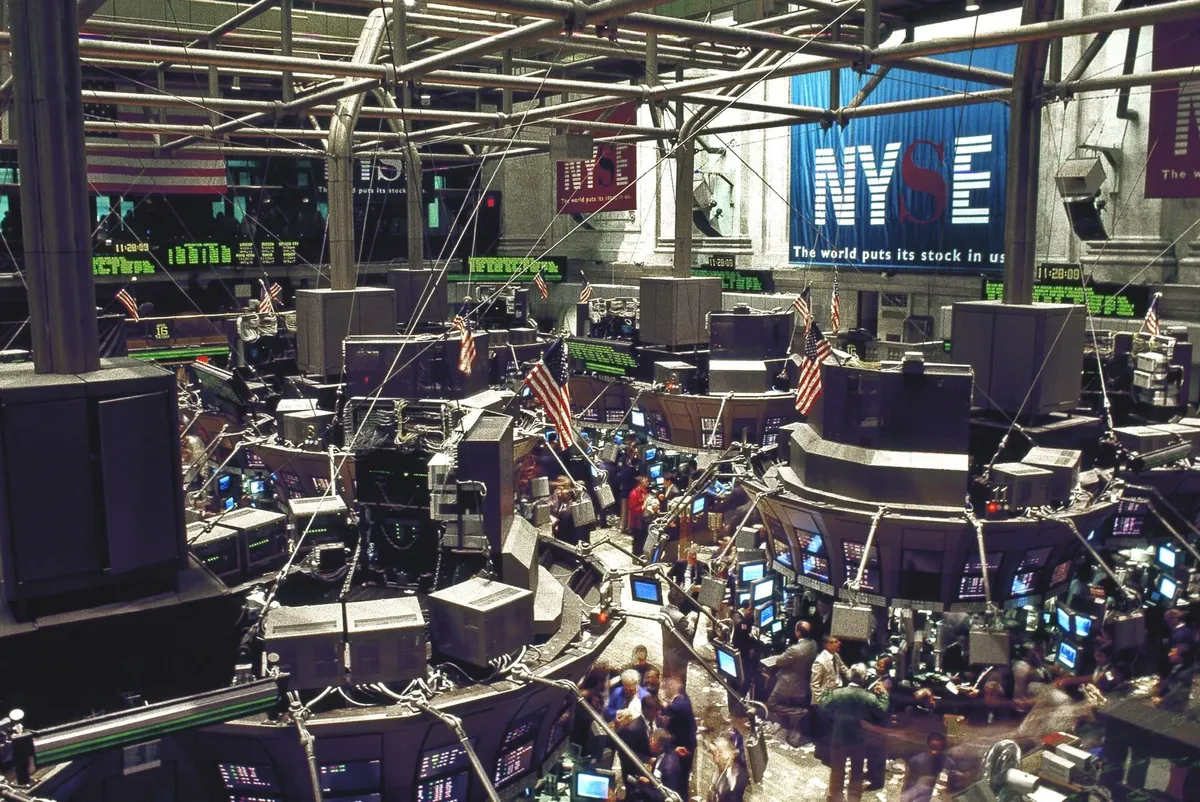
Dow Plunges 1000 Points: Tuesday’s Numbers
The scale of the move was clear in the closing numbers. The Dow plunges 1000 points at one point during the session. The Dow Jones Industrial Average fell 848.75 points to 50,759.42, a drop of 1.64 percent. The S and P 500 dropped 76.06 points, or 1.03 percent, to 7,340.53, its lowest close since late July, after falling as much as 1.7 percent earlier in the session. The index also closed below its 200-day moving average, a level traders watch as a sign of the market’s longer-term trend. The Nasdaq Composite declined 181.37 points, or 0.74 percent, to 24,328.38, having dropped about 2.1 percent at one point to touch its lowest level since April.
Sellers dominated the market. On the New York Stock Exchange, 1,924 stocks fell while only 700 rose, with roughly three times as many decliners as advancers. The CBOE Volatility Index, Wall Street’s fear gauge, jumped more than 11 percent to about 25.5. All 11 sectors of the S and P 500 finished lower, a sign that the selling was broad rather than confined to one corner of the market.
The two-day slide follows a weak stretch for the market. On Monday, the Nasdaq fell 626.52 points to 24,509.76 and the S and P 500 shed 145.08 points to 7,416.59, with the Dow down 739.38 points to 51,608.17. Our report on Monday’s stock market fall has the full details of that session, including the Nasdaq’s move into correction territory, more than 10 percent below its October 6 high.
The NSA Outage That Deepened the Drop
The market was already lower when the selling accelerated in the afternoon. CNN reported that a classified network at the National Security Agency was down, and the Dow went from about 51,250 to near 50,700 in five five-minute bars. There was no sign of a cyberattack, and the NSA later said the network had degraded during scheduled maintenance. The index went on to its session low after that statement, and the S and P 500 and the Nasdaq held above their lows from the CNN report.
The NSA outage was the latest in a wave of technology failures that has hit the United States in recent days, including a Microsoft outage, an FAA ground stop, a Chase banking outage and an Apple services outage. Our reports on the Apple outage and the Chase bank outage cover the earlier incidents in the same wave. Secretary of State Marco Rubio said on Tuesday that there is zero evidence linking the outages to cyber hackers or a foreign state, and the administration has described them as isolated technical failures. But for traders, the reports added to a sense that American technology infrastructure is under strain, and that was enough to push an already nervous market lower.
Salesforce, Home Depot and the Stocks That Led the Fall
Software stocks were hit the hardest on Tuesday. Salesforce fell 9.45 percent to close at $194.52, leading declines among S and P 500 and Dow components, as investors sold software shares ahead of earnings and on concern about artificial intelligence spending. UnitedHealth dropped 5.4 percent. Home Depot fell about 2.5 percent after naming a new chief executive, a story covered in our report on the Home Depot new CEO. Microsoft fell 2 percent. Among chip stocks, Micron Technology was down 0.9 percent, AMD down 0.2 percent and Intel down 0.5 percent, as traders sold semiconductors ahead of Nvidia’s earnings report after the close.
Nvidia itself slipped about 0.44 percent in the regular session to close at $155.46, as investors grew anxious ahead of the report, the company’s first since Jensen Huang resigned as chief executive. The stock had already fallen about 24 percent so far in November before the report. Our report on whether Jensen Huang could return as CEO covers the leadership fight that has weighed on the shares.
Nvidia Earnings Beat After the Close
The day ended with a turn. Nvidia reported third quarter revenue of $115.8 billion, more than double a year earlier and well above Wall Street’s $109.1 billion estimate, and guided fourth quarter revenue to $130 billion, also above expectations. Shares rose about 4.5 percent in extended trading after the report, according to Reuters. Our full report on Nvidia earnings has the revenue, profit and guidance numbers, and what the board’s decision on Huang means for the company.
The after-hours bounce did not erase the day’s losses, and it left the market’s bigger questions open. The earnings beat showed that demand for AI chips held up through the leadership shake-up, at least for now. But the two-day selloff, the NSA outage report and the slide in software stocks all point to a market that is pricing in more risk than it was a week ago. The New York Stock Exchange opens Wednesday with traders watching whether the Nvidia relief carries over into the wider market or fades by the morning.
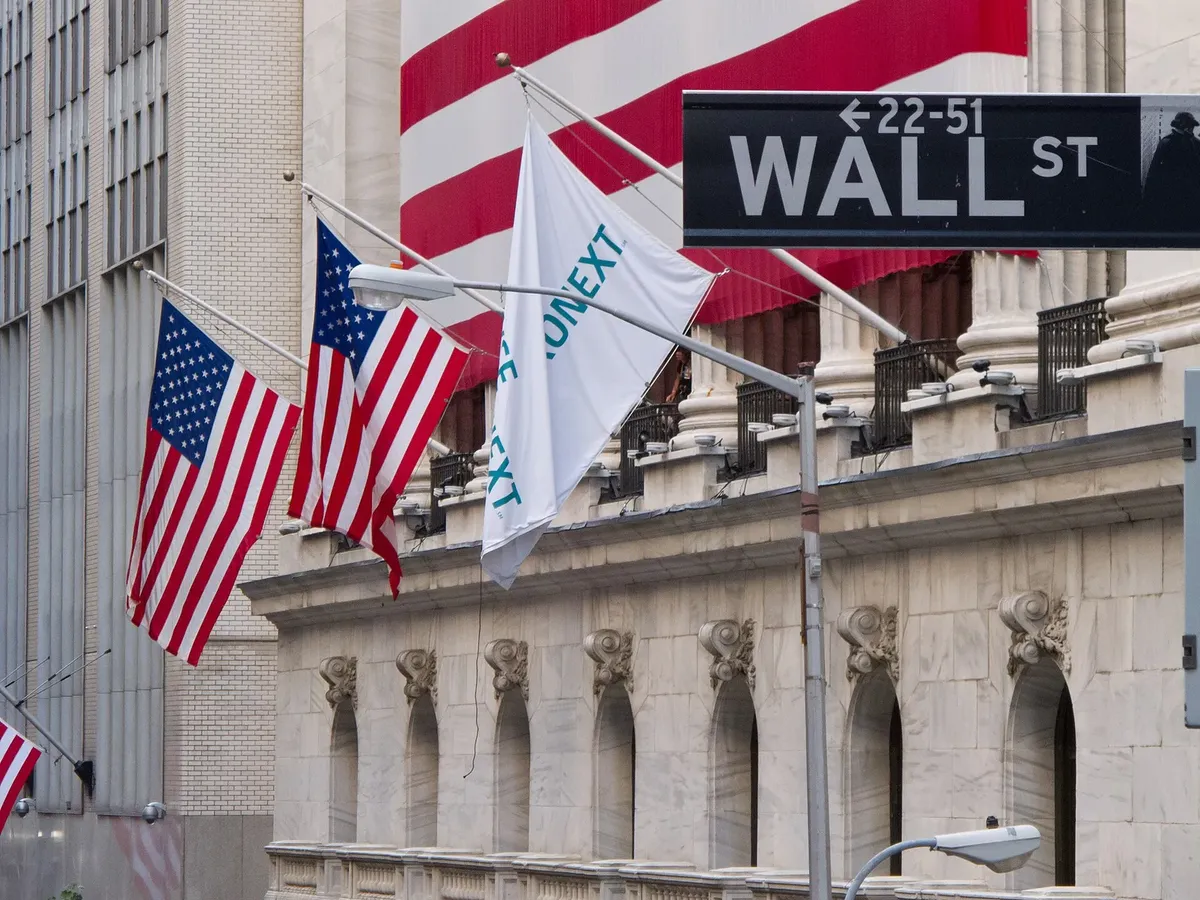
What Comes Next for the Market
Several things will decide whether Tuesday was a dip to buy or the start of a deeper fall. First, whether the selling in software and chips spreads further, or whether Nvidia’s strong report steadies the technology sector. Second, whether the outage wave ends, after a week in which failures hit Microsoft, the FAA, Chase, Apple and now the NSA, and whether the administration’s reassurances calm the concern about infrastructure. Third, the wider economy, with investors watching for signs that the selloff is about market nerves rather than a real slowdown.
For ordinary investors, the practical point is that the market has now fallen four straight sessions, the S and P 500 sits below its 200-day moving average, and volatility has jumped to its highest in months. That does not mean the market will keep falling, but it does mean the calm of the autumn is over, and the next few sessions will show whether buyers step in or sellers keep control.
Frequently Asked Questions
How much did the Dow fall on November 17, 2026?
The Dow plunges 1000 points at one point during the session, to a low just under 50,600, before the Dow Jones Industrial Average closed down 848.75 points, or 1.64 percent, at 50,759.42.
Why did stocks fall on November 17?
Software stocks led the decline, with Salesforce down 9.45 percent, and chip stocks were sold ahead of Nvidia’s earnings. Reports of a classified NSA network outage added to the selling, on top of a wave of technology failures and anxiety about AI spending.
What is the S and P 500’s lowest close since July?
The S and P 500 fell 1.03 percent to 7,340.53 on November 17, its lowest closing level since late July. It was the index’s fourth consecutive losing session, and it closed below its 200-day moving average.
Did Nvidia earnings help the market?
Nvidia reported revenue of $115.8 billion, beating Wall Street estimates, and guided fourth quarter revenue to $130 billion. Shares rose about 4.5 percent in after-hours trading, but the gain did not erase the day’s losses in the wider market.
Conclusion
The Dow plunges 1000 points intraday and closes down 849, the S and P 500 hits its lowest close since July, and the Nasdaq touches its lowest since April, in a second straight day of heavy selling driven by software, chips and an NSA outage report. Nvidia’s earnings beat after the close gave the market some relief, with shares up about 4.5 percent in extended trading. But with four straight losing sessions and volatility jumping, the market now faces a test of whether buyers return or the selloff deepens.
