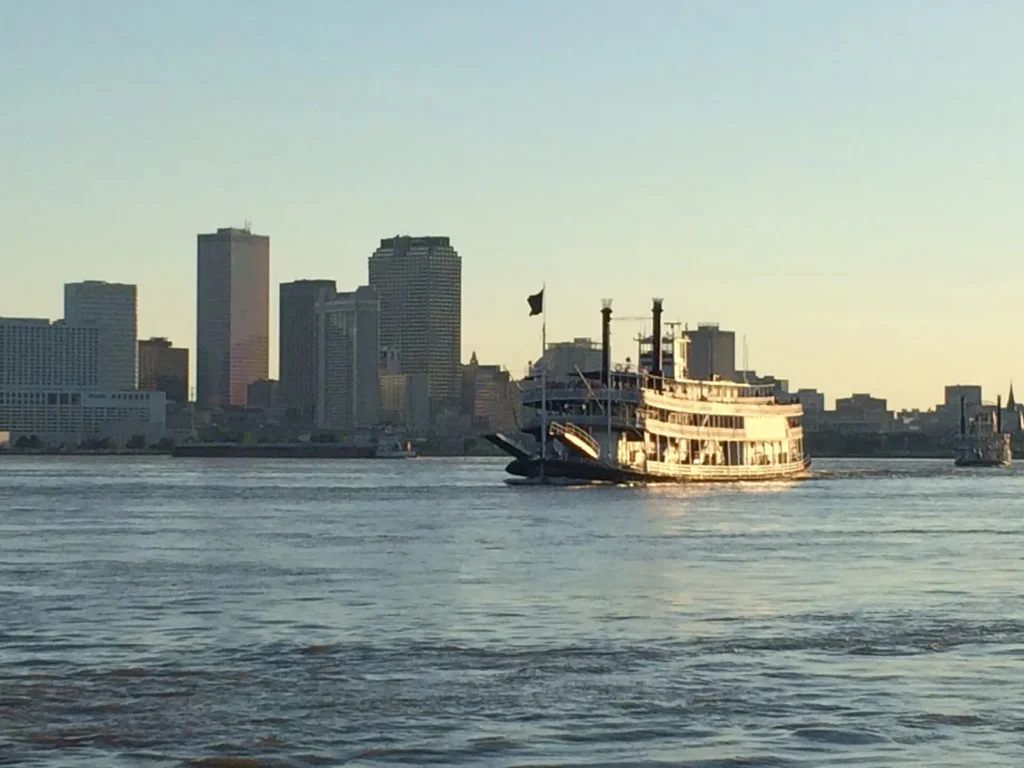
New Orleans Tanker Crash Capsizes Riverboat, 190 Safe
A 520-foot tanker lost steering on the Mississippi River near New Orleans on Friday, 13 November 2026, and struck a docked river cruise boat that capsized within minutes. Every one of the 190 people aboard the riverboat survived, in what Louisiana Governor Jeff Landry called a “miracle on the Mississippi”.
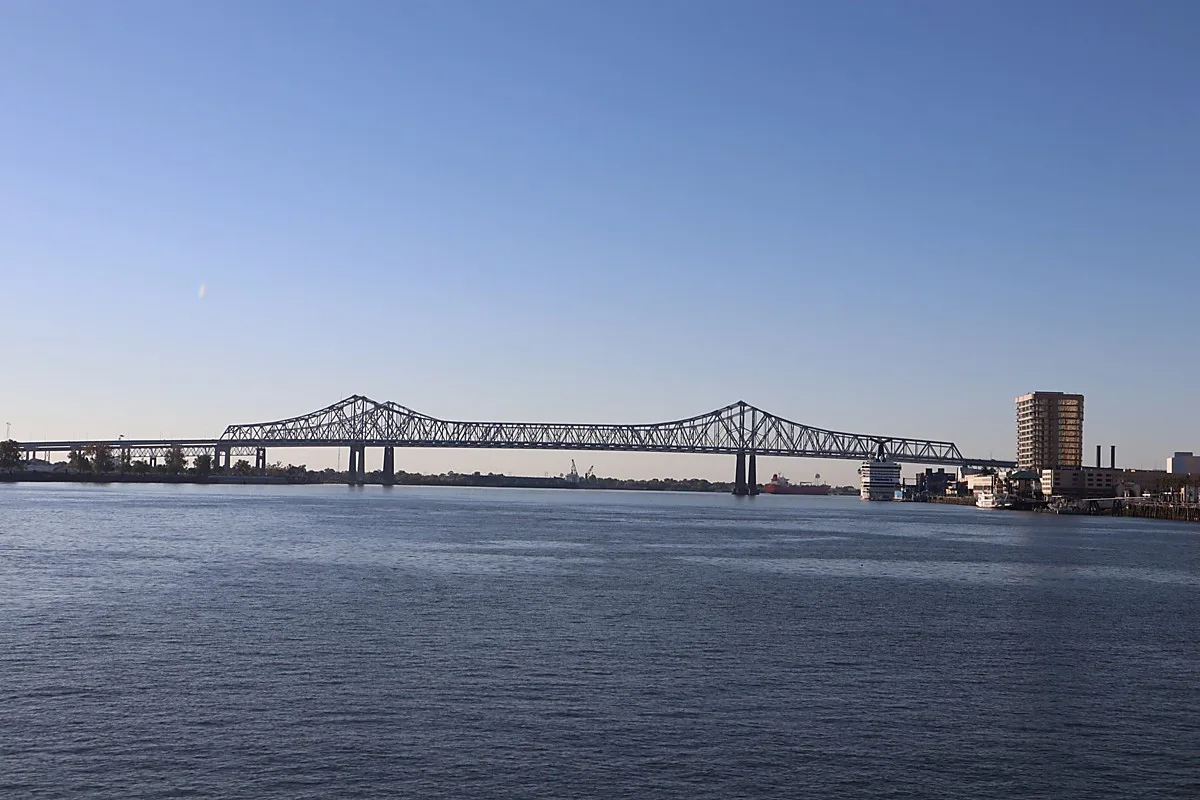
The tanker, the Atlantic Asphalt, suffered a steering failure at about 12:26 pm near the Crescent City Connection bridge, according to the National Transportation Safety Board (NTSB). Its rudder stuck fully starboard, and the vessel veered toward the east bank before striking the American Heritage at the Thalia Street Wharf.
Table of Contents
New Orleans Tanker Crash: What Happened on the Mississippi
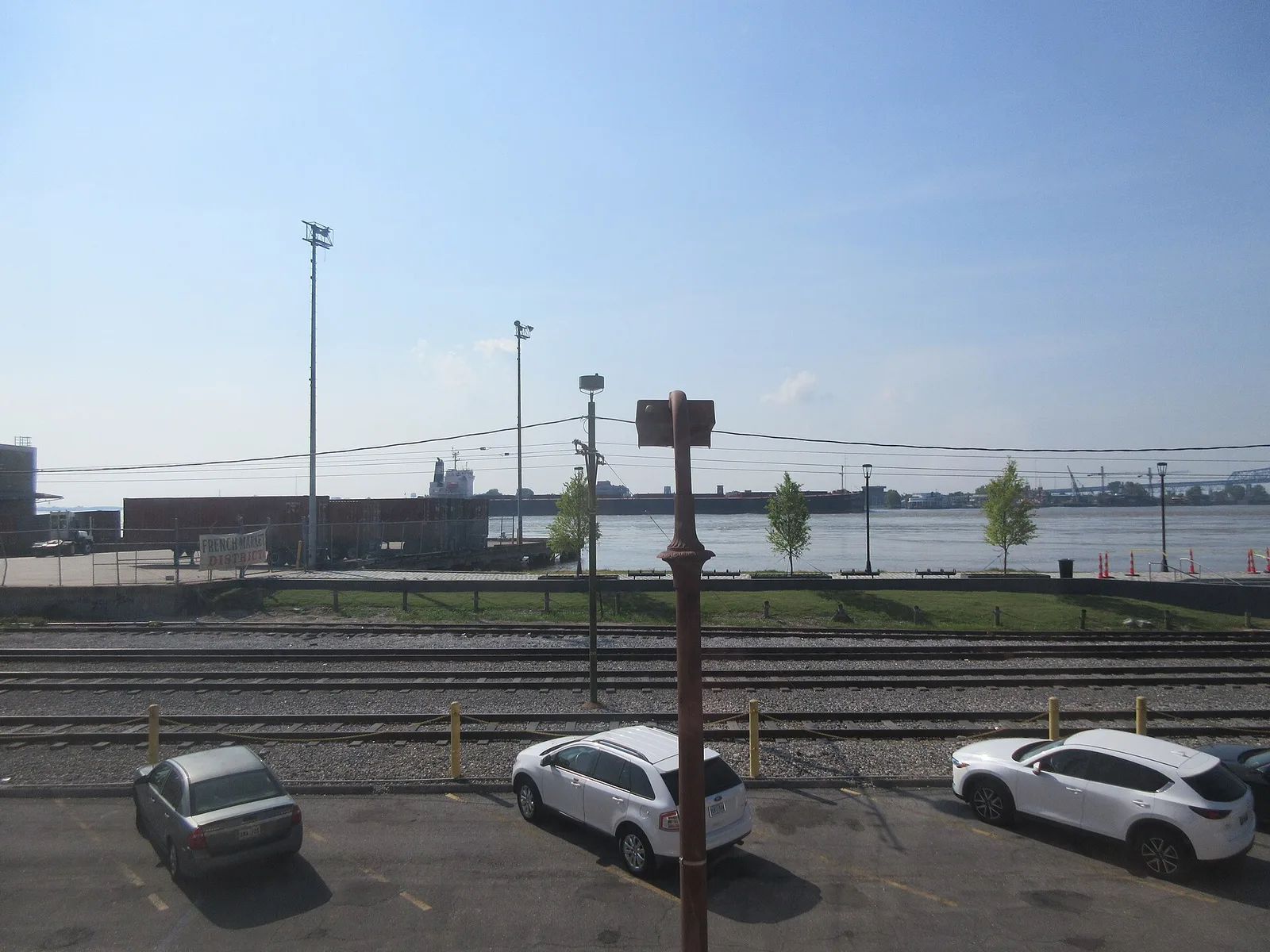
The American Heritage, a river cruise boat operated by American Cruise Lines, was docked at the wharf when the tanker hit it. The impact pushed the riverboat over, and it capsized in about 22 minutes. Passengers and crew scrambled to safety as the vessel rolled onto its side in the river.
About 80 people were evacuated before the boat capsized, and the rest were rescued from the water and from the stricken vessel. Emergency crews, including the Coast Guard and local first responders, reached the scene quickly, and the rescue effort continued through the afternoon.
Thirty-two people were taken to hospital with noncritical injuries, and five remained in hospital as of Sunday. CNN reported that the riverboat was carrying 140 passengers and 50 crew members, according to the NTSB, for a total of 190 people aboard. Some other reports have put the total slightly higher, at 197, so the figures vary slightly between sources.
The American Heritage was built in 2015 and has a capacity of 150 guests. It is a small river cruise boat, far smaller than the ocean-going ships that call at New Orleans, and it had been docked at the Thalia Street Wharf when the tanker bore down on it.
| Date and time | Friday, 13 November 2026, about 12:26 pm |
| Location | Thalia Street Wharf, New Orleans, near the Crescent City Connection bridge |
| Tanker | Atlantic Asphalt, 520 feet, built 2017, registered in the Marshall Islands |
| Riverboat | American Heritage, built 2015, operated by American Cruise Lines, capacity 150 guests |
| People aboard | 190 (140 passengers, 50 crew), per the NTSB |
| Injuries | 32 taken to hospital, noncritical; 5 remained in hospital as of Sunday |
| Time to capsize | About 22 minutes |
| Cause (preliminary) | Steering failure, rudder stuck fully starboard, per the NTSB |
Why the Tanker Lost Steering
The NTSB announced its preliminary findings on Sunday, 15 November, two days after the crash. Investigators confirmed that the tanker suffered a steering failure, and they said the vessel’s rudder had stuck fully starboard, turning the ship toward the east bank of the river.
The board also said it had recovered audio from the tanker’s voyage data recorder. The recording captures the whistle, warnings and anchor commands from the final moments before impact, and investigators will use it to build a second-by-second account of what the crew did as the steering failed.
The Atlantic Asphalt was built in 2017 and is registered in the Marshall Islands. It is managed by Thome Ship Management. The NTSB will examine the tanker’s steering gear, its maintenance history and the actions of its crew as the investigation continues.
Federal investigators follow the same careful method after every major transport failure, whether on the water or in the air, and the process can take a long time. A recent example is the investigation into the ULA Vulcan rocket failure, where engineers and officials worked through telemetry and debris to establish what went wrong.
Salvage, Diesel Fuel and the Road Ahead
The American Heritage now rests on its side in about 25 feet of water at the wharf. Salvage crews face a long and delicate job, and officials have said the recovery will take more than a month.
Before the boat can be lifted, crews must first remove about 16,000 gallons of diesel fuel carried aboard the riverboat. The fuel must be pumped out safely to prevent it from leaking into the Mississippi River, and that work comes before any attempt to right the vessel.
The NTSB said its preliminary report is expected in about 30 days. The full investigation will take far longer, with the final report expected in 18 to 24 months. That timeline is normal for a major marine accident, where investigators must examine the wreck, the vessels, the records and the testimony of everyone involved.
Lawsuit and Reaction
The Port of New Orleans has sued the owner of the tanker, saying the Atlantic Asphalt caused more than $1 million in damage to its terminal. The lawsuit claims the port’s facilities at the Thalia Street Wharf were damaged when the tanker struck the docked riverboat.
Governor Landry praised the rescue effort and called the survival of all 190 people aboard a miracle. President Donald Trump also praised the first responders who rushed to the river after the collision.
The Coast Guard said there is no indication of terrorism in the incident. Officials have treated the crash as an accident caused by the tanker’s steering failure, and the investigation remains focused on the mechanical failure and the response of the crew.
Frequently Asked Questions
How many people were on the American Heritage?
According to the NTSB, 190 people were aboard: 140 passengers and 50 crew members. Some reports have put the total slightly higher, at 197, so the figures vary slightly between sources. All of them survived.
What caused the New Orleans tanker crash?
The NTSB’s preliminary findings point to a steering failure aboard the tanker Atlantic Asphalt. Its rudder stuck fully starboard, which turned the vessel toward the east bank of the Mississippi River and into the docked riverboat at the Thalia Street Wharf.
Did anyone die in the crash?
No. All 190 people aboard the American Heritage survived. Thirty-two people were taken to hospital with noncritical injuries, and five remained in hospital as of Sunday, 15 November.
How long will it take to salvage the riverboat?
Officials have said the salvage will take more than a month. About 16,000 gallons of diesel fuel must be removed from the riverboat first, and the vessel is lying on its side in about 25 feet of water.
When will the NTSB publish its report?
The NTSB said its preliminary report is expected in about 30 days. The final report, covering the full investigation, is expected in 18 to 24 months.
Conclusion
The new orleans tanker crash could easily have ended in tragedy. A 520-foot tanker with no steering bore down on a docked riverboat carrying 190 people, and within 22 minutes the American Heritage was on its side in the Mississippi River.
That everyone aboard survived is a credit to the crew, the passengers and the rescuers who reached the scene in time. The harder questions now belong to the investigators: why the tanker’s steering failed, whether it could have been prevented, and who bears the cost of more than $1 million in damage to the port.
For more of our coverage of the week’s major US news, read about the death of Russia’s ambassador to the US and Italy’s record fine against Meta.