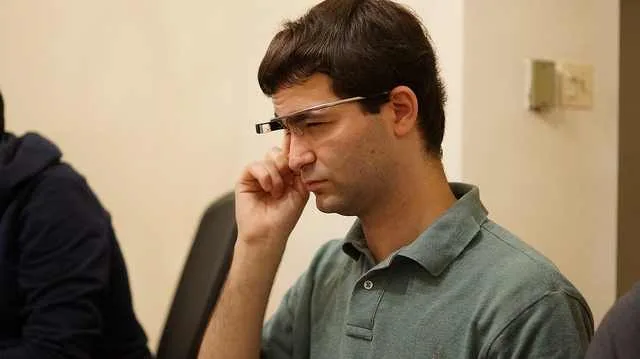
Google Smart Glasses Open for Preorder at $395, Arrive December 10
Google has opened preorders for Google Smart Glasses, its first smart glasses, built with Samsung and designed with Warby Parker and Gentle Monster, with prices starting at $395. The glasses, which Google calls Intelligent Eyewear, go on sale in stores and online on December 10, 2026, in the United States and South Korea.
The launch is Google’s second big hardware bet in two days, following the Gemini 4 Hydrogen AI model, and it is the company’s first serious challenge to Meta’s Ray-Ban smart glasses. The glasses put Google’s Gemini assistant a voice command away, with a camera, speakers and microphones built into frames that look like ordinary eyeglasses.
Preorders opened on Thursday, November 12, and Google says the first pairs will ship in time for the December 10 launch.
Table of Contents
Price and Where to Buy

The Warby Parker collection starts at $395 and offers three styles, Alden, Reid and Wren, in optical and sunglass versions. The Gentle Monster collection starts at $449 and goes up to $489, with six designs. Across the two collections there are 30 designs in total.
Warby Parker sells its collection in the United States and Canada, while Gentle Monster is launching in the United States and South Korea. Preorders are available online and in stores at both brands, and hands-on demos will be available at select Samsung stores from December 10.
The price puts Google Smart Glasses in the same range as Meta’s Ray-Ban smart glasses, but below high-end augmented reality headsets. What buyers get for the money is an audio-first pair of glasses, not a display headset, and that distinction matters for anyone expecting a screen in the lens.
What Google Smart Glasses Can Do
The first generation of Android XR glasses does not come with a built-in display. Instead, they work like Meta’s Ray-Ban glasses: built-in speakers, a 12-megapixel ultra-wide camera and microphones let the wearer interact with Google’s Gemini assistant without reaching for a phone.
Gemini is at the center of the experience. Wearers can ask questions about what they are looking at, get turn-by-turn navigation instructions, translate conversations in real time, and have Gemini read or translate text from signs and menus. Looking at a restaurant while walking down the street, for example, is enough to ask Gemini about its reviews.
The glasses also handle calls, messages, music and summaries of missed notifications, and Google is bringing support for multi-step Gemini tasks, so wearers can interact with supported apps and services by voice alone. In theory, that means ordering a coffee or booking a cab without touching a phone.
They are also the first Android devices to use the “Hey Gemini” hotword instead of “Hey Google,” a small sign that Google wants Gemini, not Google Assistant, to be the voice of its wearables.
Under the hood, the glasses run on Qualcomm’s Snapdragon AR1 Gen 1 chip, with 2GB of memory and 64GB of storage. The 12-megapixel camera shoots 3K video, and the frames weigh about 41 grams. Battery life is about nine hours, according to early reports from the launch.
Privacy Was a Big Part of the Launch
Google and Samsung made privacy a major focus, and the reason is clear: Meta has faced plenty of criticism over the cameras in its smart glasses, and Google wants to avoid the same problem.
Like Meta’s Ray-Bans, Google’s glasses include a dedicated LED indicator that lights up whenever the camera is being used to capture photos or videos. The indicator cannot be tampered with, and the camera automatically stops working if the glasses detect that someone is trying to cover or block the recording LED.
Google also says visual information captured for Gemini is not used to train its AI models or to target advertisements, and that camera images are not saved in Gemini History. When a wearer takes a picture and asks Gemini a question, bystanders’ faces are automatically blurred before the images are processed. The glasses also have a physical off switch for the camera.
Which Phones Work With Them
Compatibility is limited at launch, and buyers should check before ordering. The glasses currently work only with Google Pixel 7 phones and newer running the Android 17 September 2026 update, select Samsung Galaxy phones running One UI 9 or later, and iPhone 13 Pro and later.
There is no support yet for other Android flagships, including phones from Honor, Xiaomi and Oppo. That means the glasses support iPhones before they support all Android phones, which is an unusual position for a Google product.
There is also a small conflict in the official wording on iPhones. Samsung lists iPhone 13 and later with at least 6GB of RAM, while Google’s launch announcement says iPhone 13 Pro and later. Owners of a regular iPhone 13 should not assume their phone is supported. Google also says use requires an eligible adult Google Account from the United States or South Korea, and Samsung says a Samsung account may also be required depending on the phone.
Why This Launch Matters

Google has been talking about Android XR, its platform for smart glasses and headsets, for close to two years, but this is the first product ordinary buyers can actually preorder. The company showed the concept in May, and the launch turns a long demo into a real product with a price, a date and retail partners.
The timing is deliberate. December 10 puts the glasses in stores for the holiday shopping season, and the $395 starting price makes them an impulse-level gift for tech buyers rather than a headset purchase that needs a budget discussion.
The bigger question is whether people want glasses that listen and watch but show nothing in the lens. Meta’s Ray-Bans proved there is a market for camera glasses without a display, and Google is betting that Gemini’s voice assistant, live translation and navigation are enough to win buyers who already own a compatible phone. A version with a display in the lens is widely expected later, but Google has not announced one.
For now, the preorder is the test. If the glasses sell well in the United States and South Korea, expect Google to expand to more countries and more phones. If they stall, the company will have learned that smart glasses still need a screen to justify their price.
FAQs
How much do Google Smart Glasses cost?
The Warby Parker collection starts at $395 and the Gentle Monster collection starts at $449, going up to $489. Preorders opened November 12, 2026.
When do Google’s smart glasses go on sale?
They go on sale in stores and online on December 10, 2026, in the United States and South Korea, with Warby Parker also selling in Canada.
Do Google Smart Glasses have a display?
No. The first generation has no in-lens display. They are audio-first glasses with a 12-megapixel camera, speakers and microphones, and all interaction runs through voice and the paired phone.
Which phones work with Google Smart Glasses?
Google Pixel 7 and newer, select Samsung Galaxy phones running One UI 9 or later, and iPhone 13 Pro and later. Other Android brands are not supported at launch.
What is Android XR?
Android XR is Google’s platform for smart glasses and headsets. The new Intelligent Eyewear is the first Android XR glasses product, built by Samsung with frames by Warby Parker and Gentle Monster and powered by Google’s Gemini assistant.