Voters Rejected AI Data Centers in 40 of 41 Ballot Measures Across the US
Voters across the United States delivered a blunt message about artificial intelligence infrastructure on November 3, 2026. In the 2026 midterm elections, data center ballot measures appeared in 10 states, and voters rejected AI data centers in 40 of the 41 local contests. The results cut across party lines.
Table of Contents
Data Center Ballot Measures Delivered a Clear Verdict
Ballotpedia counted 41 local data center ballot measures in 10 states on November 3, 2026, and voters went against data center development in 40 of them. The lone exception was Harwood, North Dakota, where only 24 percent supported a measure adding requirements for certain industrial projects, including data centers. Harwood is a town of fewer than 1,000 people.
Other trackers counted slightly different totals, but every count told the same story. USA Today reported that roughly 40 cities and towns weighed measures to restrict data center development, and at least 33 voted in favor of reining in the industry, according to Data Centers on the Ballot. The Washington Post counted at least 38 jurisdictions passing bans or restrictions. The results are unofficial returns awaiting certification. Full breakdown: detailed Ballotpedia-based analysis.
David Karol of the University of Maryland said: “We’ve known for a while that people are very unhappy about data centers.” The midterms showed “bipartisan hostility,” he added. “Data centers are a national topic, but largely a local issue. When data centers themselves were on the ballot, they lost overwhelmingly.”
An NBC News exit poll found that 56 percent of voters said AI and data centers were a “crucial or major factor” in their vote for Congress, and about 76 percent said they would oppose new data centers in their communities. That is the backdrop for an ai data center backlash that crosses party lines.
Ohio Led the Revolt
No state carried more of the fight than Ohio. Ohio data centers were on the ballot in 21 measures across 18 municipalities, and voters rejected data centers in all of them. Granville banned data centers outright by 82.45 percent to 17.55 percent, according to unofficial county results.
Bans, Caps and Pauses
Restrictions took three forms: temporary moratoriums, zoning rules limiting where facilities can be built, and outright bans. Ballotpedia reports voters approved 27 restrictive measures and defeated all 13 proposals that would have cleared the way for projects, including five complete bans, 12 partial bans and six-month pauses in three Maine towns.
The 25 megawatt cap
One number kept appearing on ballots: 25 megawatts. Ottawa, Kansas, and the Ohio towns of Conneaut, Defiance and Sunbury capped data centers at 25 megawatts. At least 10 municipalities banned large data centers or those above 25 megawatts, a threshold that effectively prohibits hyperscale facilities.
Moratoriums and new votes
Wells, Maine, passed a retroactive 180-day moratorium. Grove City, Ohio, made a referendum mandatory for large industrial projects. Janesville, Wisconsin, now requires a popular vote on any project above $450 million, covering a proposed $8 billion, 800 MW campus. Edgewater, Florida, added a total ban on data centers to the city charter.
Why Towns Object
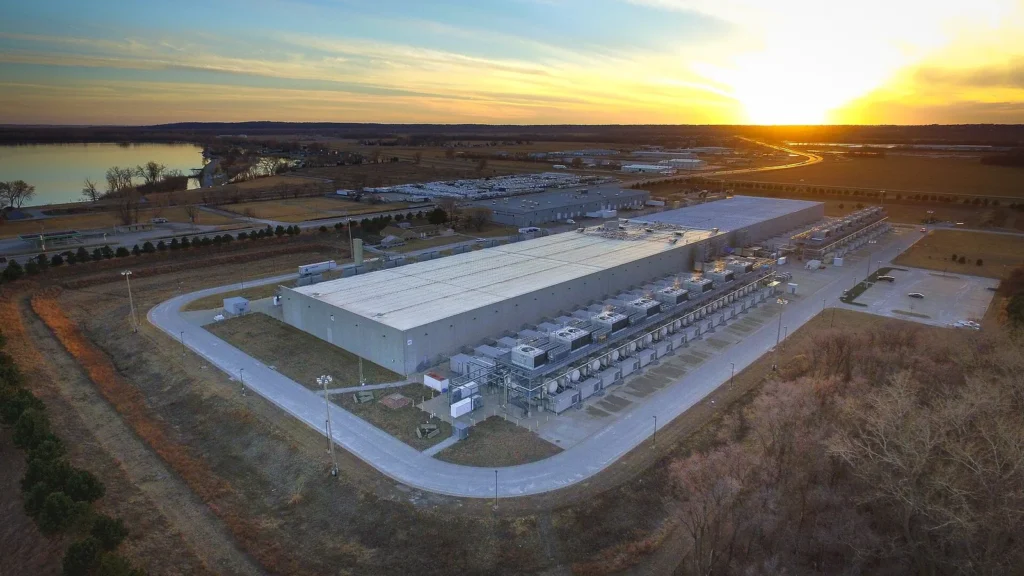
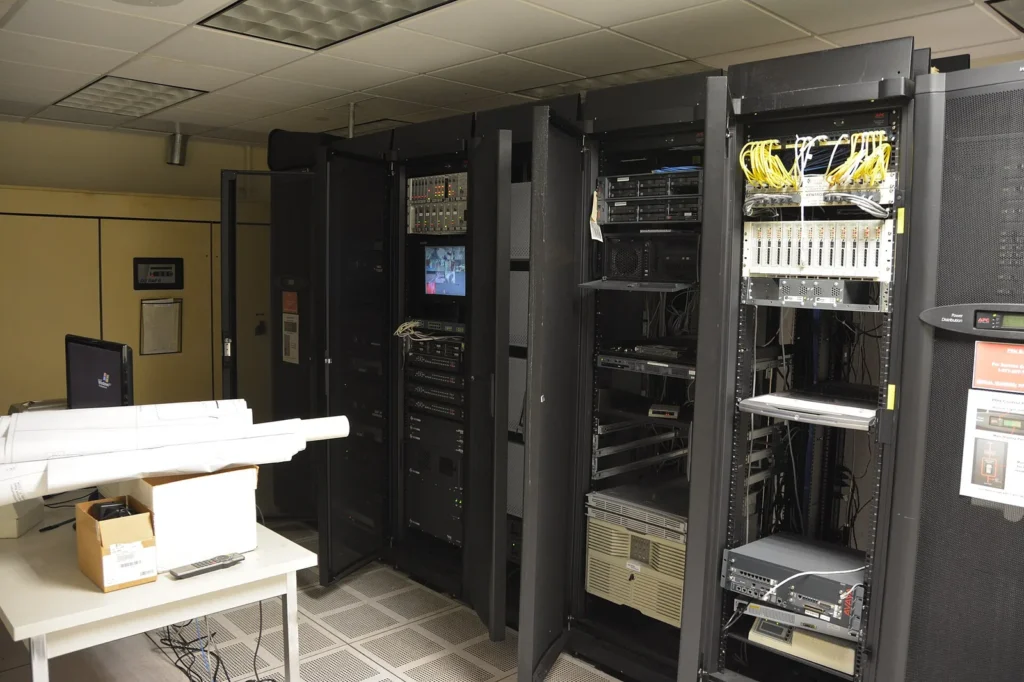
The data center bans midterm voters delivered make sense once you see what these buildings are: vast warehouses of servers that power cloud computing and train AI models. A single campus can cover hundreds of acres and draw as much electricity as a small city. Demand has exploded because Google’s Gemini AI models and rival systems need enormous computing power.
Residents raise several concerns: property values, the environment as farmland turns into concrete and cooling towers, and the potential impacts of AI on jobs and the economy. Trust plays a part too, since major data breaches have shown tech companies do not always handle growth responsibly. Zoning restrictions were the quiet workhorse of the night: many measures simply redrew the map, keeping heavy industrial buildings out of residential and rural areas. Voters were not asked to judge artificial intelligence, only whether a giant industrial building belonged next to their homes.
Energy, Water and Rising Bills
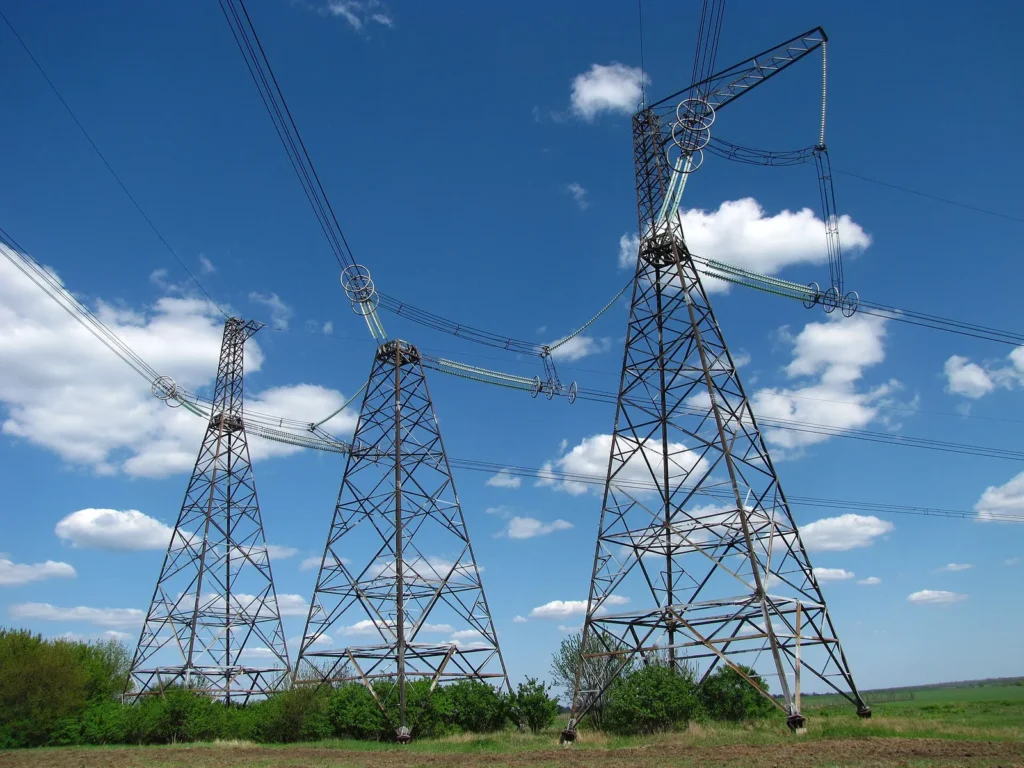
If one issue turned neighbors into campaigners, it was the household bill. Data center concerns include rising electricity costs and massive water use for cooling. A hyperscale campus can push up demand on the local grid, and critics argue ordinary customers end up paying for upgrades that mainly serve the facility. In dry regions, millions of gallons a day for cooling can strain supplies farms and households depend on.
Texas shows how large the pipeline has grown: the state holds 27 percent of planned US data center gigawatts, according to Wells Fargo figures cited by CNBC. That concentration explains why the issue became so heated there, and why a data center moratorium entered the governor’s race. Supporters reply that modern facilities are more efficient and many operators now promise recycled water and renewable power.
The Backlash Reached the Big Races
In South Carolina, Republican Senator Darline Graham faced Democratic challenger Dr. Annie Andrews, who called for a ban and nicknamed her opponent “Data Center Darline.” Graham opposed the move for national security reasons, and Andrews won a surprise victory. Graham received at least $1.5 million of advertising from a super PAC aligned with data centers, The New York Times reported.
In Ohio, Democrat Sherrod Brown labeled GOP incumbent Senator Jon Husted “the face of data centers” in attack ads and defeated him. Months earlier, the National Republican Senatorial Committee had called data centers “the anchor hanging around Husted’s neck.” In Texas, Democrat Gina Hinojosa defeated three-term Governor Greg Abbott, who had called Texas the “epicenter of AI development” before reversing course and enacting a statewide moratorium.
In Florida, though, Republican US Representative Byron Donalds won the governor’s race against Democrat David Jolly without supporting a ban or moratorium, and he will be the state’s first Black governor.
Mayors Paid the Price Too
In Piqua, Ohio, the mayor and two council members were recalled in part over their handling of a proposed data center backed by Meta, local outlets reported. The mayor of Yukon, Oklahoma, was similarly removed before his term officially ended after backlash against a hyperscale data center. Thomas Kahn, director of the Center for Congressional and Presidential Studies at American University, warned: “Politicians who didn’t address the data center issue adequately paid a heavy price.”
The Case for Building Anyway
President Donald Trump and industry supporters say the hubs bring jobs and tax revenue, and argue that any halt in construction would give China an edge in the AI development race. For towns with shrinking tax bases, a data center can look like the largest investment they will ever attract, and Google’s growing hardware ambitions show how much the tech industry is ready to spend.
What Happens Next
Representative Greg Casar, a Texas Democrat, said on Election Night the revolt against data centers was one of “the top issues of the 2026 election,” and predicted that in a few years “we will look back on it as just the early tremor of a much bigger AI earthquake upending American politics.” Kahn expects data centers to be a major issue in future elections, with more candidates favoring restrictions. For developers, the lesson is plain: the next gigawatt now needs a town vote.
Frequently Asked Questions
How many data center ballot measures were there in 2026?
Ballotpedia counted 41 local data center ballot measures in 10 states on November 3, 2026, and voters went against data center development in 40 of them.
Which state had the most data center measures?
Ohio had the most, with 21 measures across 18 municipalities, and voters approved all of them. Granville banned data centers outright by 82.45 percent to 17.55 percent.
What is the 25 megawatt cap?
It limits a data center’s power draw to 25 megawatts. At least 10 municipalities adopted it or an equivalent ban on large facilities, a threshold that effectively prohibits hyperscale data centers.
Did the backlash affect statewide races?
Yes. Annie Andrews beat Senator Darline Graham in South Carolina, Sherrod Brown beat Senator Jon Husted in Ohio, and Gina Hinojosa beat Governor Greg Abbott in Texas.
Conclusion
The data center ballot measures of November 3, 2026, gave the clearest answer yet to a question the tech industry had avoided: what happens when voters get a direct say on AI infrastructure? With AI data centers rejected in 40 of 41 contests across 10 states, voters backed bans, caps, moratoriums and zoning limits to make that answer stick. The AI buildout will continue, but now on terms that voters set, one town at a time.