US Consumer Confidence Jumps to Highest Level Since January 2025
US consumer confidence surged in November to its highest level in nearly two years, as Americans grew more optimistic about jobs and the economy in the weeks after the midterm elections. The Conference Board said on Tuesday that its Consumer Confidence Index jumped 11.4 points to 103.3, up from a revised 91.9 in October and far above the 92.5 that economists polled by Reuters had expected. It was the second straight monthly gain for the index, which had fallen in September to its lowest level since April 2014. The rebound was driven mainly by a brighter view of the labor market, with many more consumers saying jobs are plentiful than saying they are hard to get. Spending plans also improved slightly, though worries about high prices have not gone away. The survey, taken from November 1 to 17, lands just before Thanksgiving and the start of the peak holiday shopping season.
Table of Contents
What the November Numbers Show
The November report, published by the Conference Board at 10 a.m. ET on Tuesday, showed improvement across all three headline measures. The Present Situation Index, which tracks how consumers see current business and labor conditions, rose 13.7 points to 132.8. The Expectations Index, which gauges the outlook for the next six months, climbed 9.9 points to 83.6. The survey is conducted online by Toluna for the Conference Board, and the cutoff date for the preliminary results was November 17. The Conference Board publishes the index at 10 a.m. ET on the last Tuesday of every month, and the full release is available from the Conference Board.
| Indicator | November 2026 | October 2026 | Change |
|---|---|---|---|
| Consumer Confidence Index | 103.3 | 91.9 | +11.4 |
| Present Situation Index | 132.8 | 119.1 | +13.7 |
| Expectations Index | 83.6 | 73.7 | +9.9 |
The size of the jump surprised economists. The 11.4-point gain was the second increase in a row, and it returned the headline index to where it stood in January 2025. The rebound also came from a low base: the index had fallen in September to its weakest reading in more than a decade, below even the lows seen during the pandemic. November’s reading does not erase that slide on its own, but it is the strongest signal yet that the mood has turned. The gap between the two sub-indexes is also worth noting. Americans feel much better about today, at 132.8, than about the next six months, at 83.6, which suggests the recovery in confidence is real but still cautious.
Jobs Drove the Rebound
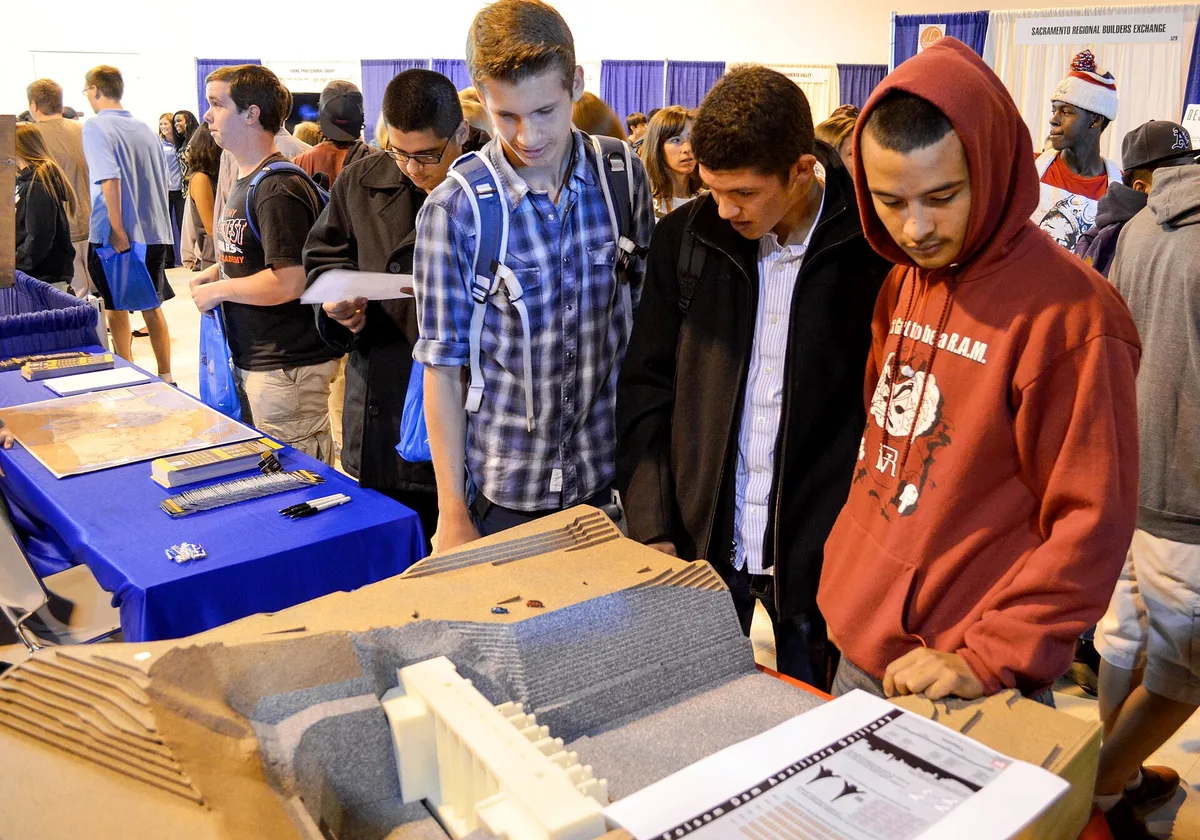
The labor market did most of the work in November. The labor market differential, which measures the share of consumers who say jobs are plentiful minus the share who say jobs are hard to get, surged from 4.8 percent to 12.4 percent. Expectations for future employment also became much less pessimistic, with the net balance improving from negative 10.4 percent to negative 1.2 percent. In other words, far fewer people now expect job conditions to get worse. For Americans still looking for work, our guide to the top job boards lists the best sites to search in 2026.
Views of business conditions improved as well. Net assessments of current business conditions strengthened from 3.0 percent to 6.5 percent, and expectations for future business conditions returned to positive territory, moving from negative 2.8 percent to positive 2.3 percent. Taken together, the jobs and business numbers explain why the headline index moved so much: consumers see more work available today and are less worried about what comes next. That combination is exactly what the Conference Board’s survey is designed to capture, and it is why the November report stood out from the weak readings of the late summer and early fall.
Spending Plans Improve, but Prices Still Bite
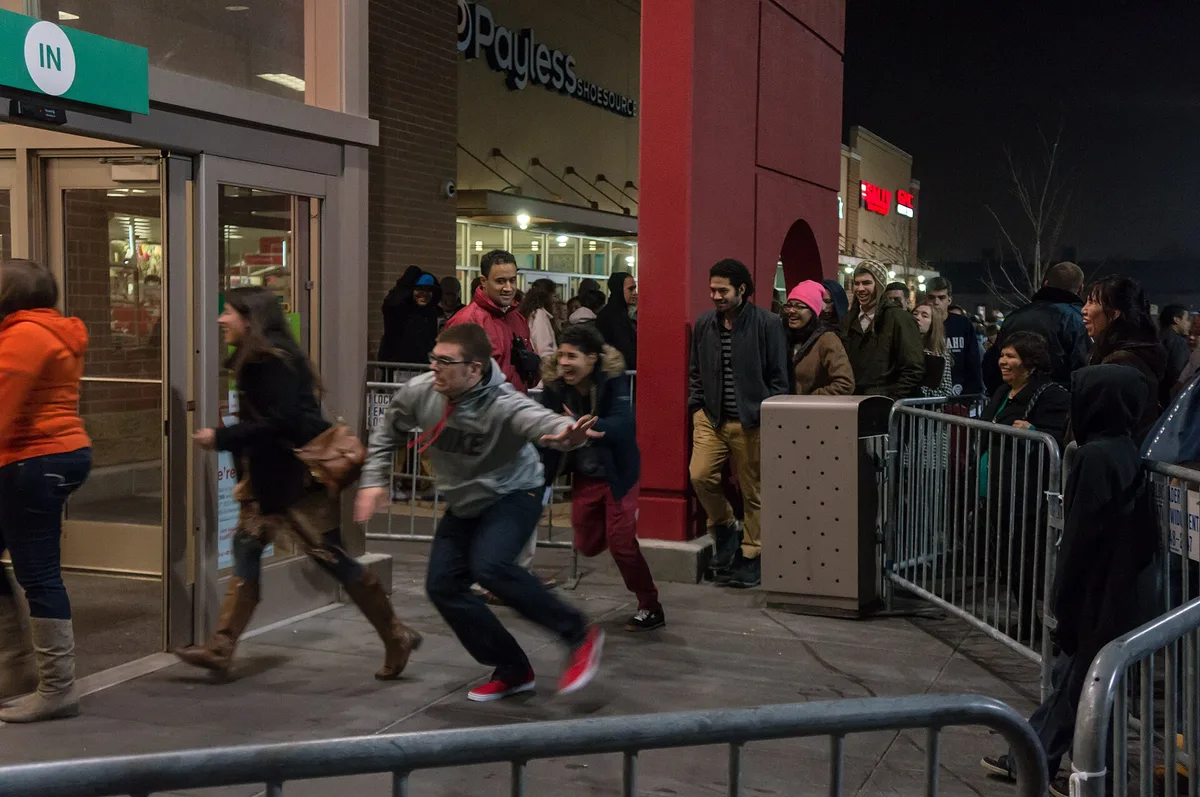
Better moods have started to show up in spending plans, though only modestly. Planned purchases of cars, homes and durable goods improved slightly in November, and vacation intentions rose from 42.7 percent to 44.9 percent. With Thanksgiving week under way and Black Friday approaching, that small lift in buying plans is timely for retailers heading into the most important shopping stretch of the year.
The catch is that households are not yet feeling better about their own money. Net household income expectations actually edged down, from 7.0 percent to 6.3 percent, which suggests stronger optimism about the economy has not yet translated into confidence about personal income. Inflation is the other weight on the survey. Consumers’ average 12-month inflation expectations declined for a second straight month but remained elevated at 5.7 percent, with high prices and living costs featuring prominently in the survey’s written responses. Inflation remains a global worry, as our report on global inflation hitting 4.7 percent explains, and the November survey shows American households are still feeling it at the checkout.
Why US Consumer Confidence Jumped After the Midterms
The Conference Board linked the rebound to the midterm elections. “Consumer confidence rallied again in November, potentially due to lower uncertainty following the midterm elections,” said Fergus McCormick, a senior economist at the Conference Board. President Donald Trump’s Republican Party lost control of Congress to Democrats in the November 3 elections, and the survey period covered the two weeks after the vote.
McCormick added that write-in responses in November were slightly less negative than in previous months. “While consumers continued to express frustration with high prices and rising costs, some comments cited hope for the general economy,” he said. That mix matches the numbers: jobs and business views jumped, while income expectations and inflation worries barely moved. The election result appears to have reduced uncertainty for many respondents, even though the everyday cost of living has not eased. The pattern is familiar in confidence surveys, where political events can move the headline index quickly while the underlying household budget picture changes more slowly.
What Comes Next
The next test of the mood comes quickly. The Federal Reserve’s preferred inflation gauge, the personal consumption expenditures price index, is due on Wednesday morning, November 25, at 8:30 a.m. ET, and economists expect the headline rate to come in near 3.8 percent, up from 3.6 percent. A softer reading would support the improving mood; a hotter one could revive the price worries that still dominate the survey’s written comments. Markets will be closed on Thursday for Thanksgiving and will close early, at 1 p.m., on Friday, so the holiday shopping data will arrive before the next full trading week.
The November confidence jump also fits a wider market rebound. Stocks rallied on Monday to their best day since April 2025, with the S&P 500 and the Nasdaq posting their biggest one-day gains since April, helped by the same post-election mood and by Nvidia’s surge. The December confidence survey, due on the last Tuesday of December, will show whether the November jump was the start of a lasting recovery or a one-month bounce tied to the election. Until then, the key numbers to watch are the jobs data, the inflation reports and the early holiday sales figures.
What It Means for You
A confidence survey measures mood, not spending, so a strong reading is good news rather than a guarantee. If you are planning holiday spending, the survey’s message is mixed: Americans feel better about jobs and the economy, but they still expect prices to rise and are not more confident about their own incomes. That is a reason to budget carefully rather than to spend freely. Our interest rate calculator can help you work out what borrowing really costs before taking on new debt for the holidays.
For job seekers, the survey is more clearly positive. The sharp rise in the share of people who say jobs are plentiful is the strongest part of the report, and it matches a labor market that respondents see as improving. For savers and investors, the main point is that the consumer, who powers most of the US economy, is feeling better heading into the holiday season. That matters for retailers, for hiring and for growth, but one month does not make a trend, and the December survey will matter as much as this one.
Frequently Asked Questions
What is the Consumer Confidence Index?
The Consumer Confidence Index is a monthly survey published by the Conference Board that measures how Americans feel about current business and labor conditions and about the outlook for the next six months. It is set so that 1985 equals 100, and higher readings mean more confidence.
What was the US consumer confidence reading in November 2026?
The index rose 11.4 points to 103.3 in November 2026, up from a revised 91.9 in October. It was the highest reading since January 2025 and well above the 92.5 that economists polled by Reuters had forecast.
Why did US consumer confidence rise in November 2026?
The Conference Board said the rebound was driven mainly by stronger views of the labor market and the broader economy, and its senior economist linked it to lower uncertainty following the midterm elections. The share of consumers saying jobs are plentiful rose sharply, and fewer people expected job conditions to worsen.
Does higher consumer confidence mean Americans will spend more?
Not automatically. Spending plans improved only modestly in November, and household income expectations actually slipped. Confidence surveys track mood, while actual spending depends on jobs, wages and prices, so the holiday sales figures will show whether the better mood turns into more buying.
When is the next consumer confidence reading?
The Conference Board publishes the index at 10 a.m. ET on the last Tuesday of every month. The December reading is due on the last Tuesday of December 2026.
Conclusion
US consumer confidence jumped to 103.3 in November, its highest level since January 2025, in a broad rebound led by a much brighter view of the jobs market. The 11.4-point gain beat forecasts by a wide margin and came after the midterm elections reduced uncertainty for many households. Spending plans improved slightly and vacation intentions rose, but income expectations slipped and inflation expectations stayed elevated at 5.7 percent, so the recovery in mood is real but not complete. The next clues come from Wednesday’s inflation data and the holiday shopping season, and the December survey will show whether November was a turning point or a one-month bounce.
