US Intelligence Chief Warns More Tech Outages Are Coming as America Upgrades Its Systems
America’s top intelligence official has a blunt message for the country: get used to the glitches. The warning about US tech outages comes after a month in which email, air travel, banking and even a spy agency’s own computer systems all failed in quick succession, and it lands just days before Thanksgiving, the busiest travel week of the year. Director of National Intelligence Jay Clayton told CNN on Sunday that more interruptions are coming as companies and government agencies rebuild aging systems for the age of artificial intelligence, and he said the public should plan for them rather than be surprised by them.
The string of failures has already touched millions of Americans. Microsoft’s Outlook, Teams and Copilot services went dark worldwide for about 30 hours. The Federal Aviation Administration ordered a nationwide ground stop. Chase Bank customers could not reach their accounts. The National Security Agency staggered its own staff arrivals after a computer problem. And on Sunday, Delta Air Lines flights were delayed across the country when the system that calculates aircraft weight and balance broke down at its Atlanta hub. Officials insist the incidents are not connected and were not caused by a cyberattack. What connects them, Clayton said, is something simpler: America is trying to modernize systems that were never built for the load they now carry.
Table of Contents
What Jay Clayton Warned on Sunday
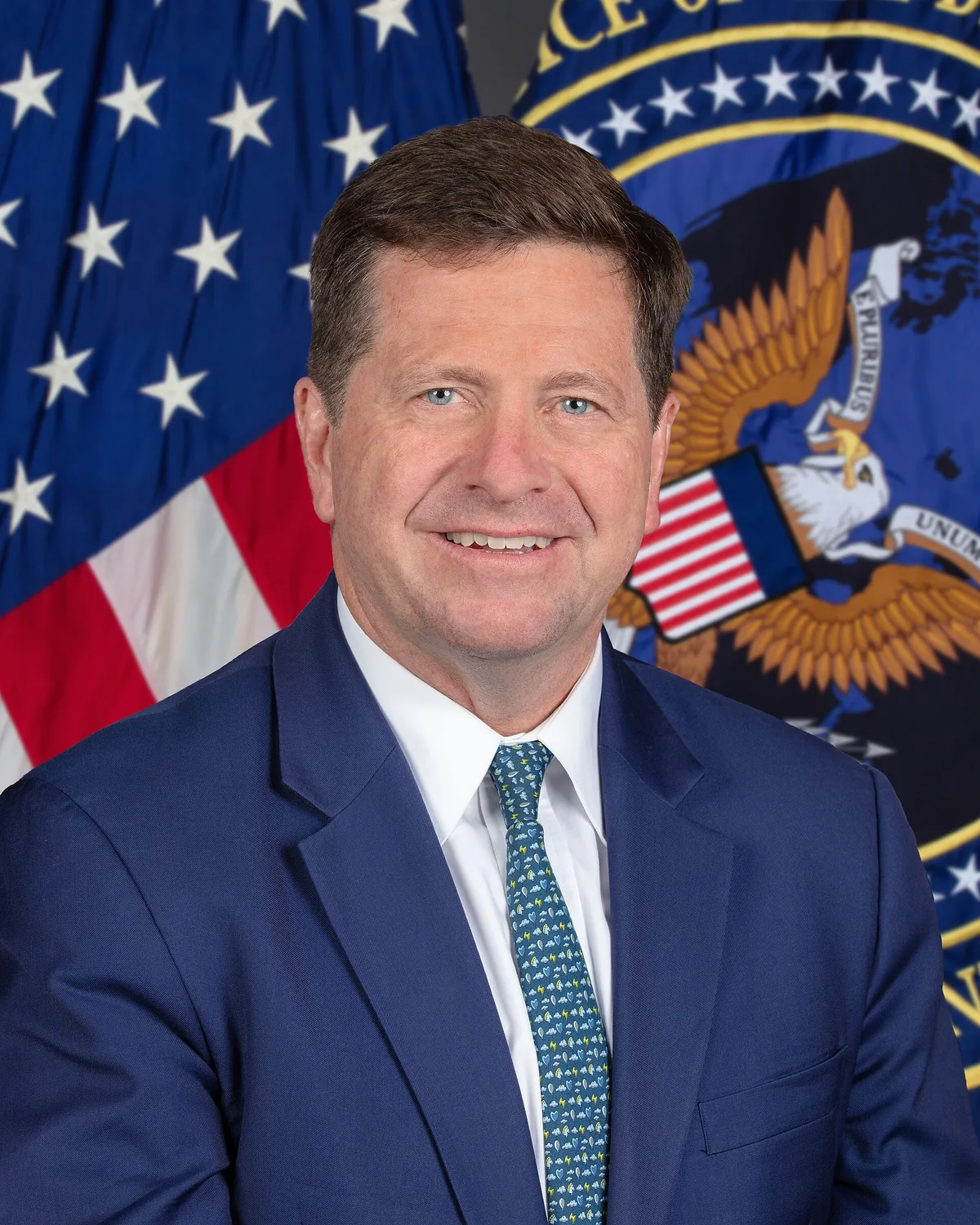
Clayton appeared on CNN’s State of the Union on Sunday, November 22, and warned that Americans should expect temporary interruptions as organizations invest in upgrading their infrastructure to keep up with advances in artificial intelligence. His message, as CNN headlined it, was plain: “We are going to have glitches, gaps, interruptions in service.”
“The American people should be prepared for a great deal of investment in upgrading our systems; they should be prepared for investment in cybersecurity, and they should be prepared that any time there is a step change in technology, a step change in both compute and applications, there will be bumps in the road,” Clayton said on the program, according to CNN.
He added that system upgrades could lead to temporary service interruptions, and that companies and government agencies are addressing the challenges proactively. The warning was not limited to one company or one agency. Clayton’s point was that the upgrades are happening everywhere at once, across government and the private sector, and that each upgrade carries a risk of breaking something that used to work.
Microsoft President Brad Smith delivered a similar warning, saying Americans should expect disruptions in the coming months as global information infrastructure is upgraded. The two warnings together amount to the clearest official signal yet that the November failures were not a one-off run of bad luck, but the start of a bumpy transition period. Clayton’s appearance on the same program also covered the ongoing Alice Huang investigation, which we reported separately.
The Month of Outages: What Actually Broke
The most disruptive failure was Microsoft’s. The outage began at 5:05 a.m. ET on Thursday, November 12, 2026, and Microsoft’s own final incident record puts the impact window at about 30 hours, until 11:10 a.m. ET on Friday, November 13. Outlook email, Teams and the Copilot AI assistant all stopped working for many users, along with other services that depend on Exchange Online. Downdetector, which tracks technology outages, received reports from users in more than 70 countries and territories. More than 430 million people use the affected products worldwide, and the outage reached governments, courts, hospitals, airlines and banks. In the United States, staff in the House of Representatives told Politico the outage set back an entire day of legislative work because everything ran on Outlook.
Microsoft said the outage was introduced by an issue during an earlier network capacity upgrade that surfaced after a recent network change, and it stressed that the failure was not related to a cyberattack or to AI agents. Its preliminary root-cause report identified three contributing factors: a latent bug that had been present since July and could overwhelm servers under certain conditions, malfunctioning internal connections, and server capacity limits. Microsoft apologized publicly, saying “we are deeply sorry for the disruption this incident has caused our customers and partners,” and it restored services gradually to keep them stable, extending its email timeout window to 48 hours so messages sent during the outage would not be lost. Full restoration was confirmed on Saturday, November 14.
The next day, the Federal Aviation Administration ordered a nationwide ground stop on Friday, November 13, grounding flights across the country. The FAA traced the problem to efforts to upgrade copper wire with fiber optic cable, along with a defective router in Arkansas that confused systems around the country. Transportation Secretary Sean Duffy said he had asked a team of FBI agents to join the investigation, and said there was still no evidence of anything nefarious. Chase Bank customers also hit trouble in the same stretch, with the company writing the problem off as a software bug. The National Security Agency had its own computer problem, and the agency said the outage did not appear to have been caused by a cyberattack and that its mission-critical capabilities were not affected. The agency staggered the arrival of employees to manage stress on the system.
Then, on Sunday, November 22, Delta Air Lines flights were delayed nationwide after the automated system that calculates aircraft weight and balance failed at its Atlanta hub. The FAA imposed a ground stop for Delta flights heading to Hartsfield-Jackson Atlanta International Airport at 7:46 a.m. ET at Delta’s request, then replaced it with a ground delay program that produced average delays of nearly an hour. About 45 percent of Delta flights were delayed as of 2 p.m. that day, and the airline used manual workarounds, including counting bags by hand, while engineers restored the automation. The system was back up by about 3:30 p.m. ET.
Why Officials Say It Is Not a Cyberattack
With so many failures landing in the same two weeks, suspicion was inevitable, and lawmakers from both parties have demanded answers. House Democratic Leader Hakeem Jeffries urged the Trump administration to brief lawmakers about the string of high-profile technology failings and whether hostile actors were involved, though no cyberattack has been acknowledged in any of the instances. Senator James Lankford, a Republican from Oklahoma, said on Fox News that the number of incidents demanded an investigation, adding: “We can’t assume that this is a random glitch when you have so many things in a row.”
Officials have pushed back on that theory. Clayton and Treasury Secretary Scott Bessent have both said the incidents had different root causes and showed no indication of a coordinated or state-sponsored attack. The FAA, Microsoft, Chase and the NSA each pointed to a different cause: a router and a cable upgrade, a network capacity upgrade, a software bug, and an internal computer problem. None of the four has reported evidence of an intruder.
CNN contributor and tech journalist Jacob Ward put it more bluntly, saying: “Where most people see conspiracy, I almost always encounter incompetence.” His explanation is that the United States is asking more and more of an aging infrastructure, and “now when we just try and do something like a routine upgrade, we wind up skunking the whole system.” That explanation fits the pattern: three of the four November failures were traced directly to upgrades or maintenance, not to attackers. The distinction matters because real cyberattacks are still hitting American infrastructure: US ports faced a surge of attempted attacks in the same week, a reminder that glitches and attacks can look alike from the outside even when their causes are completely different. President Donald Trump dismissed conspiracy theories about the outages during a trip to the Philippines, telling reporters: “It’s life. When you’re big and powerful and you have all the money, things like that happen. It’s fine.”
Why Systems Keep Failing When They Are Upgraded
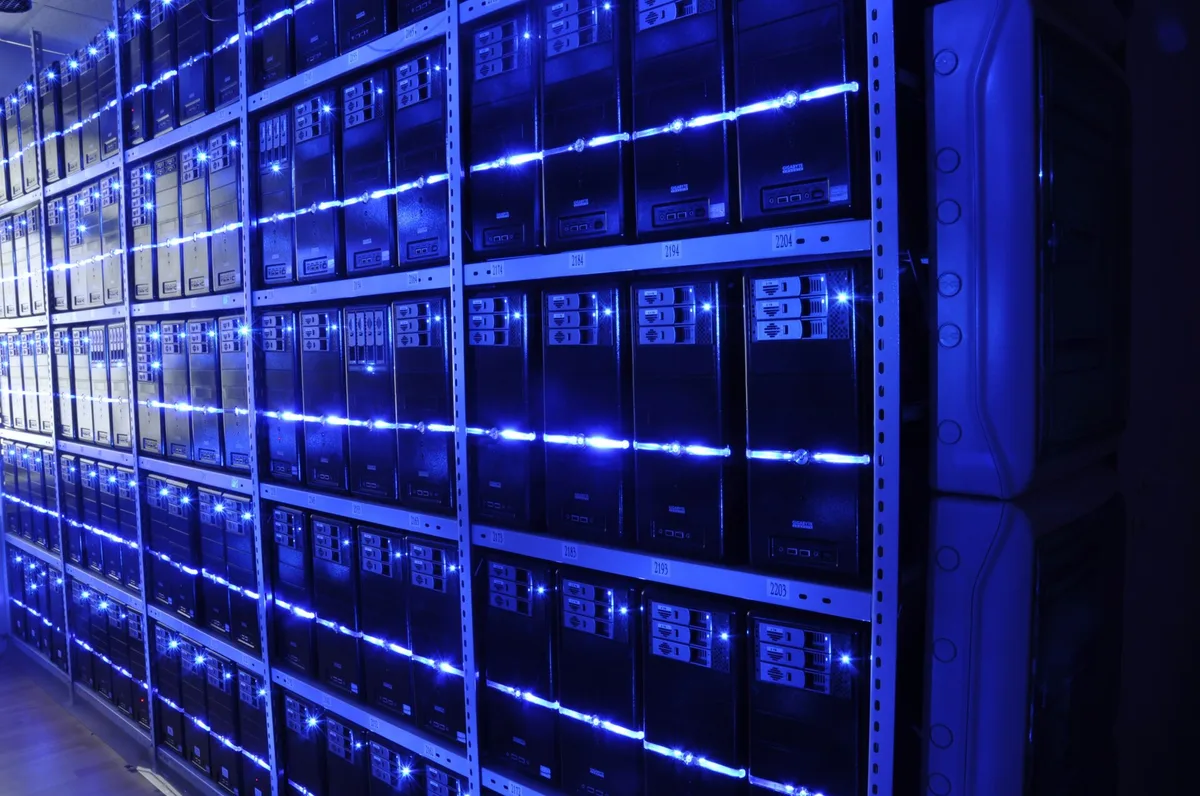
The deeper story behind the US tech outages is the age of the systems underneath them. Much of the country’s critical infrastructure, from air traffic control to banking to email, was built years or decades ago and is now being patched, rewired and rebuilt while it is still running. The FAA’s copper-to-fiber upgrade, Microsoft’s network capacity upgrade and the NSA’s own system work are all part of that same effort, and each one touches live systems that millions of people depend on every minute.
Artificial intelligence is speeding the rebuild up. Companies are adding AI features, bigger data centers and far more computing power, which means more new code, more new hardware and more changes to systems that were designed for a simpler era. Clayton’s warning was explicitly tied to that shift: a “step change in both compute and applications” brings “bumps in the road.” The Microsoft outage shows how a single latent bug, present since July without causing trouble, can suddenly overwhelm servers once a network change alters the load they carry.
What Happens Next
The immediate test is Thanksgiving week. The White House has formed a Transportation Technology Transformation Tiger Team after the FAA malfunction, with officials from the FAA and other agencies meeting daily ahead of the holiday travel rush, according to the Daily Wire. The team was created specifically to stop air traffic control outages before Thanksgiving, when tens of millions of Americans take to the roads and the skies.
Microsoft has promised a full post-incident report once its review of the November outage is complete. Lawmakers are also pushing for formal briefings. Jeffries has called for the administration to brief House and Senate lawmakers of both parties on what it knows about the incidents, and the FBI team working with the FAA on the ground stop is still investigating exactly what went wrong.
For now, the official message is consistent across the administration: expect more glitches, do not assume an attack, and keep the systems running while they are rebuilt. Clayton’s warning, echoed by Microsoft’s president, is that the next outage is a matter of when, not if.
What You Can Do When Services Go Down
The practical lesson of the November outages is to keep a backup for anything that matters. Keep an offline copy of important contacts, tickets and documents, so a dead inbox does not strand you at an airport or a hospital. Use a second way to reach people, such as a phone number or a messaging app on a different service, when email is down. Check the official status page of the service that failed, such as Microsoft’s service health page or the FAA’s advisories, rather than trusting social media rumors about the cause. For travel, keep boarding passes and hotel confirmations saved on your phone, not only in email. For money, keep a small cash reserve and a second payment method available when banking apps glitch. And when an outage hits, give the service time: Microsoft restored its systems gradually on purpose, because bringing everything back at once risked crashing them again.
Frequently Asked Questions
Did the US tech outages come from a cyberattack?
No, according to the officials who investigated them. Microsoft, the FAA, Chase and the NSA each gave a different technical cause, and Director of National Intelligence Jay Clayton and Treasury Secretary Scott Bessent have both said there is no indication of a coordinated or state-sponsored attack. The FBI is assisting the FAA investigation into the ground stop, and no evidence of anything nefarious has been reported.
How long did the Microsoft Outlook outage last?
About 30 hours. Microsoft’s final incident record says the impact began at 5:05 a.m. ET on Thursday, November 12, 2026, and ended at 11:10 a.m. ET on Friday, November 13. Full restoration of all affected customers and regions was confirmed on Saturday, November 14. Outlook, Teams and Copilot were all affected.
What caused the FAA ground stop in November 2026?
The FAA traced it to work upgrading copper wire to fiber optic cable, combined with a defective router in Arkansas that confused systems across the country. The nationwide ground stop was ordered on Friday, November 13. Transportation Secretary Sean Duffy asked FBI agents to help investigate, and said there was no evidence of anything nefarious.
Will there be more tech outages?
That is exactly what the intelligence chief warned. Jay Clayton said Americans should be prepared for glitches, gaps and interruptions in service as companies and agencies upgrade their systems and cybersecurity for the age of AI. Microsoft President Brad Smith gave the same warning about disruptions in the coming months.
Conclusion
The US tech outages of November 2026 were not one failure but a pattern: a 30-hour Microsoft outage, a nationwide FAA ground stop, a Chase banking glitch, an NSA computer problem and a Delta system failure, all inside about ten days. Officials say the causes were different and no cyberattack was involved. What the failures share is an aging infrastructure being rebuilt in a hurry for the age of AI, and that is why the intelligence chief is warning Americans to expect more glitches, gaps and interruptions in service. The test now is Thanksgiving week, when the systems that just failed will carry their heaviest load of the year.
