
Best Learning Online Platforms in the US (2026 Guide)
Learning online platforms let anyone in the US study with top universities, learn a job skill, or pick up a new hobby from home. The best platform for you depends on your goal. Coursera and edX lead for university-backed certificates, Udemy wins for cheap one-off skills, and Khan Academy is the strongest free option for school subjects and foundations. The mistake most learners make is paying for a subscription before they know what they want to learn.
This guide compares the major learning online platforms side by side, explains what free access really gets you, and gives you a simple five-step method to pick the right one for your goal, your budget, and your schedule.
Table of Contents
Learning Online Platforms at a Glance
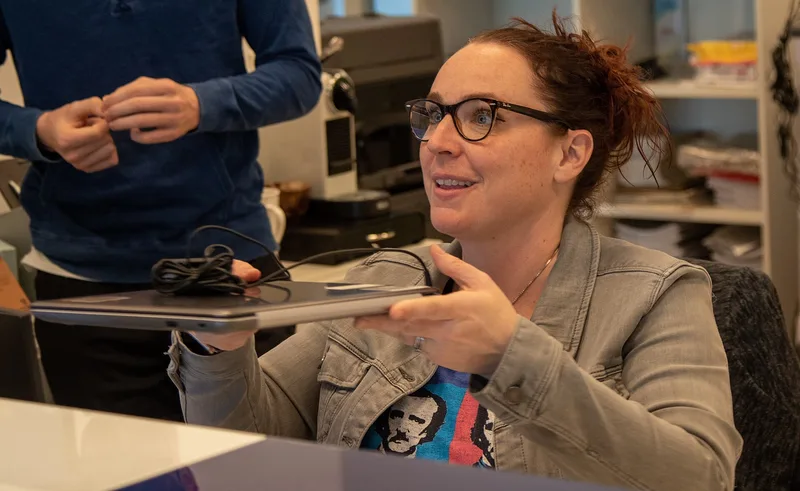
No single platform suits everyone. University platforms sell credentials, marketplaces sell skills, and free platforms give away foundations.
| Platform | Best for | Cost model | Free option | Certificate |
|---|---|---|---|---|
| Coursera | Career certificates | Subscription or per program | Preview; financial aid | Yes, university or company backed |
| edX | Harvard, MIT courses | Pay per course | Audit track | Yes, verified |
| Udemy | Cheap single skills | Pay per course, frequent sales | Some free courses | Yes, completion |
| Khan Academy | Free school subjects | Free | Fully free core lessons | No |
| LinkedIn Learning | Short professional courses | Subscription, often employer-paid | One-month trial | Yes, on LinkedIn profile |
| Skillshare | Creative classes | Subscription | Free trial | No formal certificate |
| Codecademy | Hands-on coding | Free tier plus subscription | Limited free tier | Yes, on paid plans |
The Best Platforms, One by One
Coursera: Best for Career Credentials
Coursera partners with more than 350 universities and companies, including Stanford, Yale, Google, and IBM. Its certificates carry weight because a university or major company stands behind them. Most courses offer a free preview of the first module, not full free access, and financial aid is available on many courses. Choose Coursera for a resume credential; the subscription pays off if you finish several courses in a year.
edX: Best for University Courses Without a Subscription
edX was founded by Harvard and MIT, and it is still the closest thing to auditing a university course for free. Many courses offer an audit track covering lectures and reading, though graded work is locked and audit access is time-limited. Certificates are priced per course, so edX suits learners who want one strong course at a time, not a monthly subscription.
Udemy: Best Value for Single Skills
Udemy is a marketplace, not a curated university platform, which is both its strength and its weakness. Independent instructors upload the courses, so the catalog holds hundreds of thousands of options. Courses sell one at a time with lifetime access, and sale prices run far below list prices. Quality varies by instructor, so check ratings, review counts, update dates, and free preview lessons before you buy. Its 30-day refund window gives you a safe way to test a course.
Khan Academy: Best Free Option
Khan Academy is a nonprofit, and its core lessons in math, science, reading, computing, and test preparation are completely free. There are no certificates, but for foundations it is hard to beat. Students fill gaps before college, adults refresh subjects, and parents support homework. If you want to understand a subject rather than collect a certificate, start here before spending anything.
LinkedIn Learning, Skillshare, and Codecademy
LinkedIn Learning offers short professional courses, and many employers already pay for it, so check at work before you subscribe. Skillshare is project-based and creative, with classes in design, illustration, and writing, but it is not built for credentials. Codecademy teaches coding in the browser, and its free basic tier tests whether you enjoy programming before you pay.
Free vs Paid: What You Actually Get
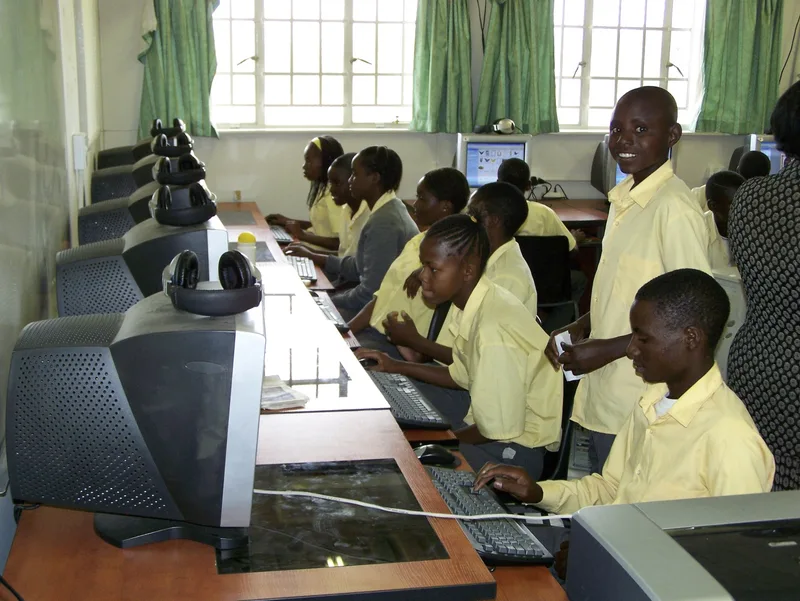
Free access is real, but limited, and those limits changed recently. On Coursera, free enrollment now gives you a preview, not the whole course. On edX, the audit track gives lectures and reading for a limited time, but graded work and certificates stay locked. Khan Academy and MIT OpenCourseWare are the exceptions: their core material is genuinely free. If money is tight, free online GED classes work the same way: start free, and pay only when a certificate or graded work is the point.
Paying adds graded assignments and exams, a certificate, structured study paths, and sometimes mentor feedback. Those extras are worth it when an employer or university asks for proof, or when you need structure. They are not worth paying for when you only want to learn a topic for yourself. Before you pay, finish one full lesson on the free tier and check the refund policy, because prices change often.
How to Pick the Right Platform for Your Goal

- Name the goal in one sentence. Write down what you want to be able to do when you finish, for example, “pass the GED math test.” A vague goal leads to a vague course choice.
- Decide whether a certificate matters. For a career change or job hunt, a university-backed certificate plus a portfolio of finished projects helps most. Students still deciding can use our guide to choosing a college major to match study to a career path first.
- Test the free tier first. Take a full lesson, not just a trailer, and check the teaching style and pace. If you cannot finish a free lesson, a paid subscription will not fix that.
- Check the time commitment honestly. A course needing six hours a week for ten weeks only works if your calendar has those hours. Short courses with clear weekly plans get finished more often.
- Compare the total cost, not the headline price. A subscription looks cheap monthly but adds up over a year, while a single course ends when you finish. Add up what you will pay, and check whether your employer covers it. Students should also check college scholarships in the US, because funding for formal study can beat paying for certificates alone.
Mistakes That Waste Your Time and Money
Do not buy a yearly plan on day one. Start monthly or per course, and upgrade only after finishing something. Second, do not collect certificates without proof of skill: employers value a finished project or portfolio over a list of course names.
Third, do not choose by catalog size: a huge catalog is no help if its courses in your subject are weak. Finally, mark the refund deadline the day you pay. When a certificate helps your job search, pair it with real applications on job boards where employers post openings so it reaches hiring managers.
Conclusion
The best learning online platforms are the ones that match your goal, your budget, and your schedule. Coursera and edX lead for university-backed certificates, Udemy wins for cheap single skills, and Khan Academy gives away the strongest free foundations. Test the free tier first, pay only when a certificate or graded work is the point, and finish one course before you buy the next. Pick one platform today, take one full lesson, and let that experience decide whether it deserves your money.
Frequently Asked Questions
What is the best online learning platform?
There is no single best platform. Coursera leads for university-backed certificates, Udemy is the best value for single skills, and Khan Academy is the best free option. Pick by your goal.
Are there free learning online platforms?
Yes. Khan Academy lessons are free, edX offers a free audit track on many courses, and MIT OpenCourseWare publishes free materials. Coursera offers free previews, and many platforms offer trials or financial aid.
Do online course certificates help you get a job?
They help when they come from a recognized university or company and sit next to real work, such as projects or a portfolio. A certificate alone rarely gets a job, but it can strengthen a career-change application.
Is Coursera or Udemy better?
They serve different needs. Coursera suits structured programs and university-backed certificates. Udemy suits one specific skill, cheaply, with lifetime access. Many learners use both.
How much do online courses cost?
Costs range from free to a monthly subscription or a one-time payment per course, and prices change often. Check the price on the platform’s own pricing page before you pay.
