FBI Seizes $1.2 Billion Stolen in the Binance Crypto Hack
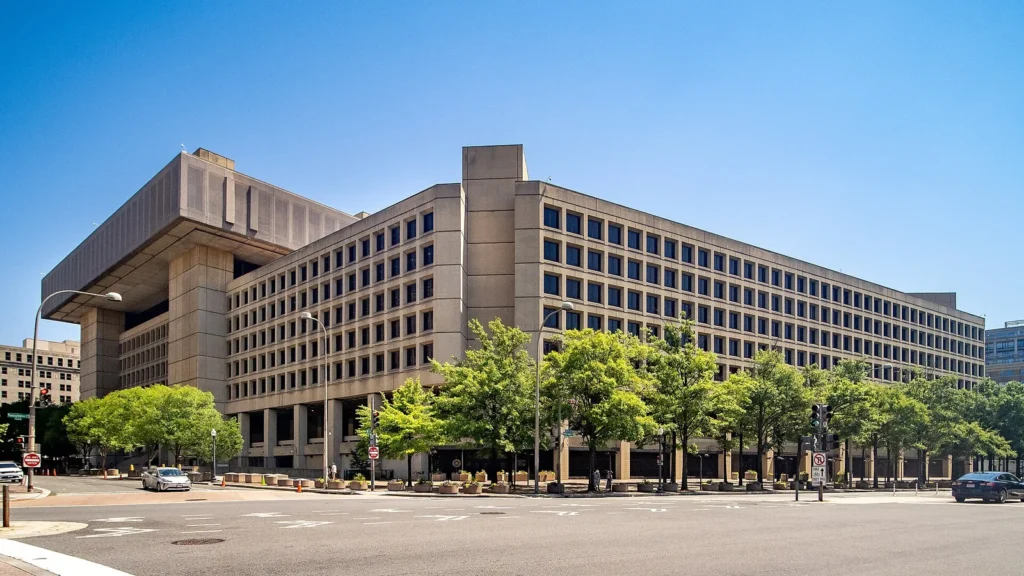
The FBI has seized more than $1.2 billion in cryptocurrency stolen in the Binance crypto hack from Binance, the world’s largest crypto exchange, in what US authorities call the largest bank heist in human history. The Justice Department announced the seizure on Thursday, November 12, along with the takedown of a separate North Korean scam that stole more than $400 million from ordinary crypto users.
The recovery is only a fraction of the roughly $6.3 billion taken in the Binance crypto hack on October 29, but officials say the combined government and private-sector effort has now frozen more than $2.7 billion of the stolen funds. The announcement also pulled back the curtain on how North Korean hackers run their scams, including fake video calls and deepfake videos designed to trick even experienced crypto users.
Table of Contents
The Binance Crypto Hack: What Happened on October 29
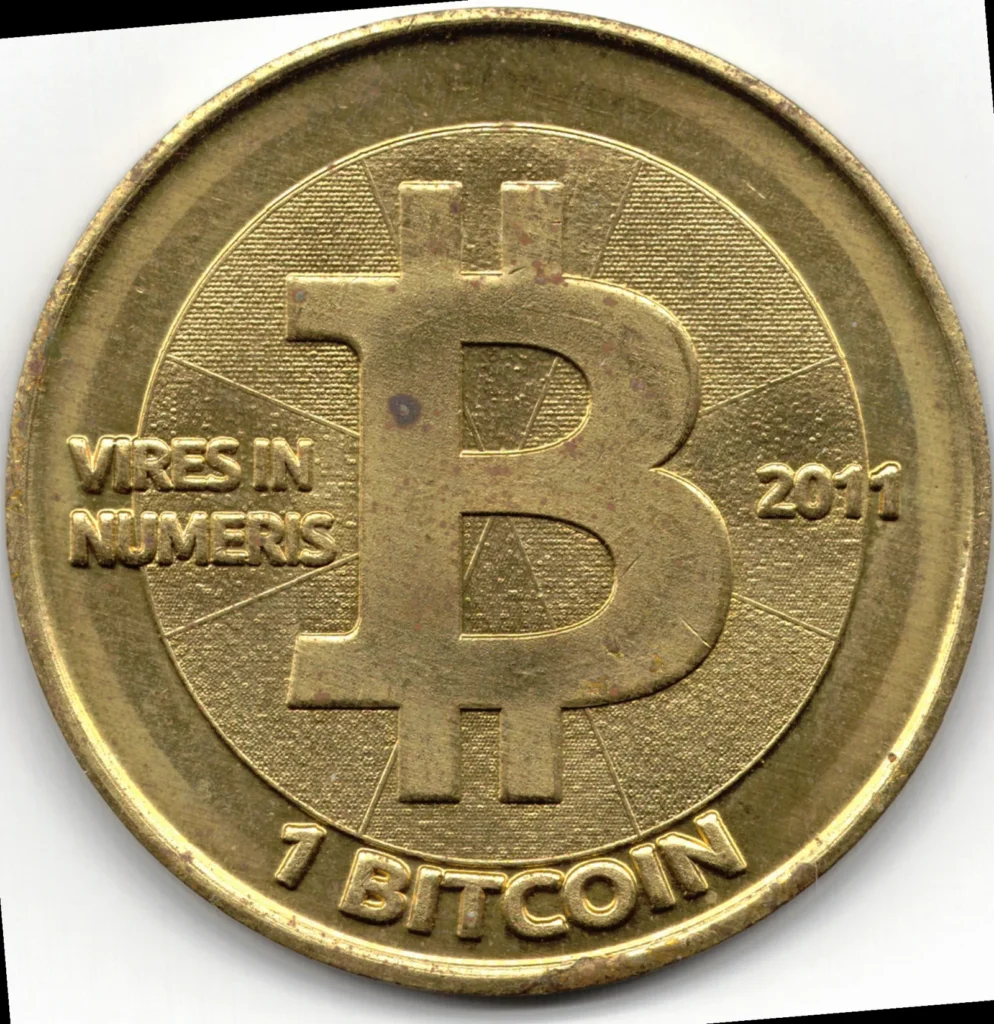
On October 29, a North Korean hacking group known as TraderTraitor carried out a record-breaking theft from Binance wallets in about 20 minutes, starting at 4:30 p.m. ET. The hackers broke in by hacking an engineer’s laptop, according to reporting on the attack, and drained about $6.3 billion in cryptocurrency from the exchange.
Binance put the loss at $6.34 billion in a findings report published on November 3, and analytics firm Elliptic has tracked $6.43 billion across more than 20,000 wallets. Either way, it is the largest cryptocurrency theft ever, surpassing the $1.5 billion stolen when the Bybit exchange was targeted last year.
TraderTraitor is the same North Korean cybercrime group tied to that Bybit heist. The FBI has attributed the Binance attack to North Korean military hackers, and US officials say the group laundered the stolen assets by converting them into Ethereum and moving them through decentralised finance platforms. North Korea denies being behind the attack.
Binance has pledged to fully compensate users for their losses. In an update last Friday, Richard Teng, co-CEO of Binance, said the company’s security team had “uncovered additional points of breach,” suggesting a complex attack carried out by more than one person.
The $1.2 Billion Seizure
The Justice Department said on Thursday that it has obtained court authorisation to seize or restrain more than $1.2 billion of the stolen cryptocurrency. The US government and private-sector partners have frozen more than $2.7 billion of the stolen funds in total, and the court order covers more than $1.2 billion of that amount.
A Justice Department official said its computer crime section and partners froze the stolen Binance assets “before they got beyond law enforcement reach.” The department says it will “seize and return” the funds, though the return path for victims is still being built. Typically in these cases, the US government files a claim of forfeiture with a judge, who then decides who has a legitimate claim to the recovered funds.
No individual has been named or charged in connection with the October 29 theft, and the Justice Department has not announced a forfeiture judgment. Authorities said the tracing and recovery work is continuing as the hackers move stolen funds through cryptocurrency bridges, mixers and exchanges.
“Cryptocurrency unfortunately has become fertile ground for North Korea to defraud victims and fund its malign activities,” said Bill Essayli, First Assistant US Attorney for the Central District of California. “North Korea’s government bankrolls its rogue regime and illicit weapons program through cryptocurrency theft,” said M. Scott Proctor, principal deputy assistant attorney general for national security.
FaceStealer: The $400 Million Deepfake Scam
The same announcement exposed a second, separate North Korean scheme that officials say stole more than $400 million in cryptocurrency over the past 18 months. The scheme, which the FBI calls FaceStealer, targets people in the crypto and Web3 sectors with a social engineering trick that is simple, patient and hard to spot.
Here is how it works, according to the FBI. The hackers hijack an account on Telegram, LinkedIn, Slack or Discord, then send a video-meeting invitation from that stolen account. The victim joins the call because the invitation appears to come from someone they already know, often a previous victim of the same scheme.
Once the victim joins, the hackers secretly start recording their webcam video. To make the call look legitimate, they play a prerecorded video of the previous victim, or of other people the target knows. Then they stage a fake technical problem, such as claiming the target cannot be heard, and send a link or prompt to fix it. That “fix” quietly installs malware on the victim’s computer, and from there the hackers can steal cryptocurrency or use the victim’s access to other systems.
The Justice Department says the hackers also use deepfake videos of well-known, influential figures, often from the cryptocurrency and Web3 industries, to make the meetings more convincing. In several reported cases, the theft or the hijacking of accounts came months to more than a year after the initial infection, as the hackers waited for the right moment.
Under a federal warrant, the FBI seized the cloud infrastructure behind the scheme, including a library of more than 900 secretly recorded webcam videos that the hackers played to impersonate victims in follow-on attacks. The hackers also pulled contact lists, social media and messaging apps from each new victim, giving them a fresh round of people to target.
“North Korea’s FaceStealer is a highly effective social engineering scheme capable of deceiving even the most experienced technical and security-conscious computer user,” said Patrick Grandy, assistant director in charge of the FBI’s Los Angeles Field Office. “It exploits trust in common video conferencing platforms and personal relationships.”
FBI Cyber Branch Operations Director Brett Leatherman said North Korean hackers have used the scheme to aggressively target people in the crypto and Web3 sectors. The Justice Department says the hackers go by many names, including Sapphire Sleet, UNC1069, Dangerous Password, CryptoCore, APT38, BlueNoroff and Stardust Chollima.
Beyond crypto holders, the hackers have increasingly gone after people who build and maintain open-source software, the Justice Department said. The goal is to reach their devices and the software repository accounts they control, in what officials say “appears calculated to enable software supply-chain attacks,” in which compromised code could spread to many downstream users.
What This Means for Crypto Users
The two announcements together tell a clear story: North Korea has turned cryptocurrency theft into a state funding stream, and its methods keep getting more convincing. The Binance crypto hack was a smash-and-grab on an exchange, but FaceStealer is aimed at individuals, and it works by exploiting trust rather than technology.
The FBI’s advice, echoed by security experts, is to treat unexpected video-meeting invitations with suspicion, even when they appear to come from someone you know. Verify the invitation through a separate channel before joining, never install software or click a link sent during a call to fix an audio or video problem, and be wary of any meeting where the other participants appear on prerecorded video rather than live.
For Binance users, the seizure is good news, but the money is not back in their accounts yet. The forfeiture process will take time, and only about $1.2 billion of the $6.3 billion stolen is under a court order so far. The rest of the frozen $2.7 billion is still being worked through the courts, and billions more remain in the hackers’ hands.
The investigation is continuing, and the FBI credited cybersecurity firms Arctic Wolf, Jumpsec and Microsoft Threat Intelligence Center for assisting in the investigation and seizure.
FAQs
How much crypto did the FBI seize from the Binance hack?
The Justice Department obtained court authorisation to seize or restrain more than $1.2 billion in cryptocurrency stolen from Binance. The US government and private sector have frozen more than $2.7 billion of the stolen funds in total.
How much was stolen from Binance?
About $6.3 billion was stolen from Binance in the Binance crypto hack on October 29, 2026, in a theft that took about 20 minutes. Binance put the loss at $6.34 billion, and analytics firm Elliptic tracked $6.43 billion across more than 20,000 wallets. It is the largest crypto heist in history.
Who hacked Binance?
The FBI has attributed the Binance crypto hack to TraderTraitor, a North Korean military hacking group. North Korea denies being behind the attack. The group was also tied to the $1.5 billion Bybit heist last year.
What is the FaceStealer scheme?
FaceStealer is a North Korean social engineering scheme that stole more than $400 million in crypto over 18 months. Hackers send fake video-meeting invitations from hijacked accounts, secretly record the victim’s webcam, play prerecorded video of people the victim knows, then stage a fake audio problem and send a malicious “fix” that installs malware.
Will Binance users get their money back?
Binance has pledged to fully compensate users for their losses. The Justice Department says it will “seize and return” the recovered funds, but the forfeiture process, in which a judge decides who has a legitimate claim, is still to come.
Related reading: October Inflation Came in Hot: A December Fed Rate Hike Now Looks Likely · Jensen Huang Resigns as Nvidia CEO: What Happens Next · What Is Inflation and How Does It Affect Your Money