How to Economize Money: 15 Smart Ways to Save More
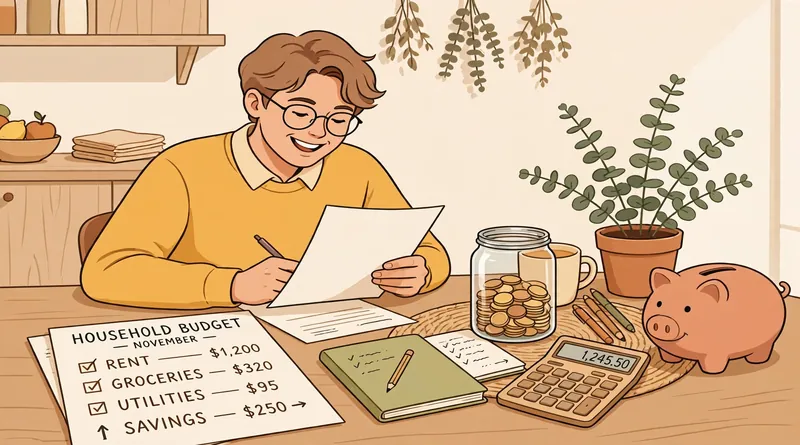
Learning how to economize money does not mean giving up everything you enjoy. It means using the money you already earn more carefully, so more of it stays with you at the end of each month. Most people do not have an income problem. They have a leak problem. Small charges, forgotten subscriptions, and impulse buys quietly drain hundreds of dollars a year, and none of them feel big on their own. The good news is that economizing is a skill, not a sacrifice. This guide walks through 15 practical ways to economize, starting with the moves that save the most money first.
Table of Contents
How to Economize Money in 5 Simple Steps
Economizing sounds serious, but the process is simple. First, track what you spend for one full month. Second, sort that spending into needs, wants, and savings. Third, pick the three biggest categories and set a realistic limit for each. Fourth, automate a transfer to savings on payday. Fifth, review the plan once a month and adjust it. The rest of this guide fits inside those five steps. Pick three that fit your life, try them for a month, and then add more. Small changes that stick beat big changes that last a week.
Build a Budget That Actually Works
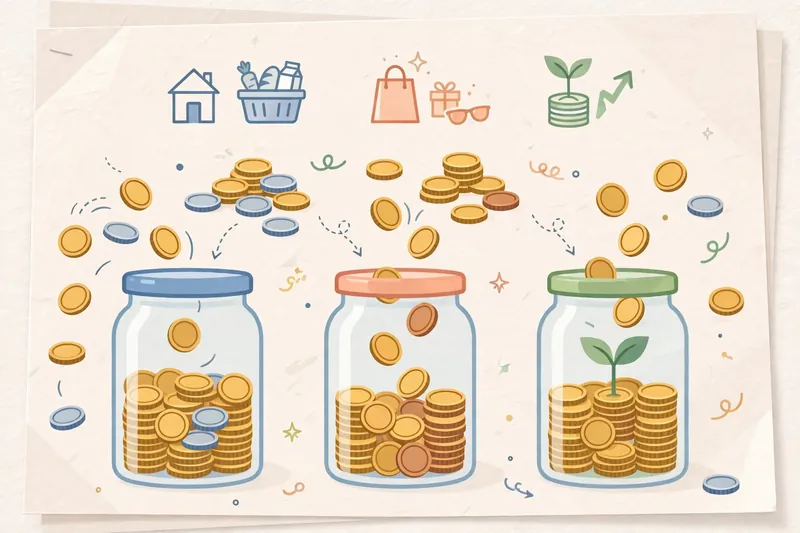
A budget is not a punishment. It is a plan for where your money goes before the month begins, so you decide on purpose instead of wondering later where it went. The most popular starting point is the 50/30/20 rule: about 50 percent of your take-home pay goes to needs like rent, groceries, and transport, about 30 percent goes to wants like eating out and entertainment, and about 20 percent goes to savings and extra debt payments. If 20 percent feels impossible right now, start with 5 or 10 percent and raise it a little each time your income rises or a bill drops off.
Start with your real take-home pay, not your salary before tax. Your pay stub shows the number that actually reaches your bank account, and that is the number your budget must use. If your tax situation changed this year, it helps to know where you stand, so check the current federal tax brackets for 2026 to see how much of your income goes to tax before it ever reaches you. Then list every fixed bill, from rent and utilities to insurance and loan payments, and give the rest a job. A budget that leaves no spare dollars is not a failure. It simply means every dollar has a purpose.
Cut the Costs That Hurt the Most
The fastest savings come from your biggest categories, not your smallest ones. Cutting 15 percent from a 650 dollar grocery bill saves about 98 dollars a month, while skipping a 5 dollar coffee saves 5 dollars. Both help, but the math favors attacking the big lines first. Rank your spending from largest to smallest and work from the top down.
Subscriptions are the classic silent leak. Most people underestimate what they pay each month because each charge is small on its own. List every recurring charge, from streaming and cloud storage to gym memberships and apps, and cancel anything you have not used in the last 30 days. Then call your internet, phone, and insurance providers once a year and ask for a better rate. Providers often have cheaper plans they do not advertise, and a ten minute call can save hundreds of dollars a year. Check your credit at the same time, since a better score can mean cheaper insurance and loan rates. Here is how to check your credit score for free safely before you start negotiating.
Save Money on Groceries Without Eating Boring Food
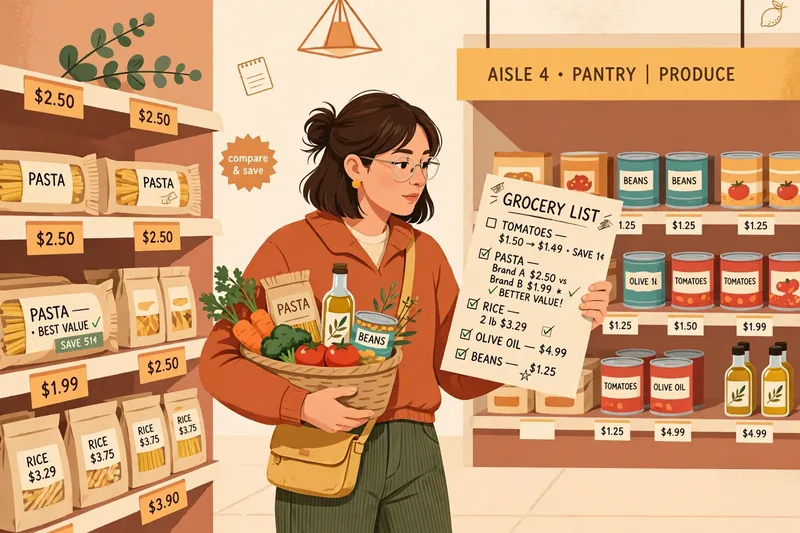
Food is one of the biggest flexible costs in most households, which makes it one of the best places to economize. The trick is planning, not deprivation. Plan your meals for the week before you shop, write a list based on that plan, and stick to the list in the store. Shoppers who buy without a list spend more on impulse items and throw away more food at home. Cooking at home most nights is usually far cheaper than delivery, and ordering delivery can cost close to 80 percent more than picking up the same meal once fees and tips are added.
Buy generic or store-brand products where the quality is the same. Generic medicines, pantry staples, and cleaning products often cost far less than name brands for nearly identical results. Shop seasonal produce, which is cheaper and fresher, and buy in bulk only for things you will actually use before they expire. For a full weekly system, see how to meal prep for the week without blowing your budget, which pairs neatly with the shopping plan above.
Make Saving Automatic
Willpower is unreliable, so the best saving systems do not depend on it. Set up an automatic transfer that moves money to a separate savings account on the day your paycheck arrives, before you have a chance to spend it. Even 25 or 50 dollars per paycheck adds up to hundreds of dollars over a year, and you will barely notice it missing once the habit is set. Treat that transfer like a bill you cannot skip.
Your first savings goal should be a small emergency fund of 500 to 1,000 dollars. That cushion turns a flat tire or a broken phone from a crisis into an inconvenience, and it keeps you from reaching for a credit card. After that, build toward three to six months of essential expenses. Keep the emergency fund in a separate high-yield savings account, so it earns a little interest and stays out of easy reach. If your employer offers a retirement match, take it. Turning down a match is turning down free money.
Small Daily Habits That Add Up
Big systems matter, but small habits fill the gaps between them. Wait 24 hours before any non-essential purchase over a set amount, such as 30 dollars. Most impulse buys lose their appeal overnight, and the ones that still feel worth it the next day are usually genuine wants. Unsubscribe from store marketing emails so sales do not tempt you every morning. Use the library for books, movies, and even classes instead of buying new. Pack lunch three or four days a week instead of buying it, and carry a reusable water bottle instead of buying drinks.
Sell what you no longer use. Clothes, electronics, and household items sitting in a closet are cash waiting to be freed. Use cash for categories where you tend to overspend, like dining out, because handing over real bills makes the cost feel concrete. None of these habits will make you rich alone, but together they can free up 100 to 200 dollars a month, which is real money when it is saved instead of spent.
Frequently Asked Questions
What does it mean to economize money?
To economize money means to use your money more efficiently and intentionally, cutting waste and spending on purpose rather than by habit. It is not about living with nothing. It is about making sure the money you earn goes toward the things that matter most to you.
How can I economize money on a low income?
Start with the moves that cost nothing: track spending for a month, cancel unused subscriptions, plan meals, and cook at home. Then automate even a small transfer to savings, such as 10 or 25 dollars per paycheck. Small amounts build the habit, and the habit matters more than the starting number.
How much of my income should I save each month?
Many financial guides suggest saving about 20 percent of take-home pay, following the 50/30/20 rule. If that is not realistic today, start with 5 or 10 percent and raise it gradually.
What is the fastest way to economize money?
The fastest wins usually come from auditing subscriptions, switching takeout orders to pickup or home cooking, and calling service providers to ask for lower rates. These are one-time actions that keep saving you money every month without daily effort. For a broader framework, U.S. Bank’s guide on how to economize money covers money, time, and space together.
How do I stop impulse spending?
Use a waiting rule: pause 24 hours before non-essential purchases, and 30 days for large ones. Remove saved payment details from shopping apps, unsubscribe from promotional emails, and shop with a list. If you still want the item after the wait, buy it without guilt. The pause filters out regret purchases, not real needs.