
Alaska Elects a Democrat as Governor for the First Time Since 1998
Alaska has elected a Democrat as governor for the first time in 28 years. Jonathan Kreiss-Tomkins, a 37-year-old former state lawmaker from Sitka, won the Alaska governor election on Friday, November 14, when the Associated Press called the race in his favor. NBC News also projected him as the winner. The result ends nearly three decades of Republican control of the governor’s office and gives Democrats one of their biggest wins of the 2026 midterm elections. Kreiss-Tomkins passed 50 percent of first-choice votes, so under Alaska’s ranked-choice voting system no redistribution of votes was needed. Ballots are still being counted and the final margin is not yet known, so the result remains preliminary until the vote is certified.
Table of Contents
How Kreiss-Tomkins Won the Alaska Governor Election
The Alaska governor results took shape late on Thursday, when Kreiss-Tomkins passed 50 percent of first-choice votes with 88 percent of ballots counted, according to reporting by the Washington Post. That threshold mattered because Alaska uses ranked-choice voting, and a candidate who wins more than half of first-choice votes wins outright, with no need to redistribute second-choice votes. As of Friday, he held 50.8 percent of first-choice votes counted, according to the Anchorage Daily News.
The win caps a campaign that built steadily through the year. Kreiss-Tomkins finished first in the August open primary, and fellow Democrat Tom Begich then withdrew from the race to consolidate support behind him. His campaign drew more than 10,000 donors, a sign of broad grassroots backing in a state where late-counted ballots often decide close races.
The Associated Press called the race on Friday, November 14, and NBC News also projected Kreiss-Tomkins as the winner. Counting continues, so the final margin may still move before the result is certified.
A Historic Result for Alaska Democrats
No Democrat had won an Alaska governor election since Tony Knowles in 1998. Knowles left office in 2002, and Republicans have held the governor’s office ever since. Kreiss-Tomkins now breaks that run, and he does so by winning an outright majority of first-choice votes rather than relying on ranked-choice redistribution.
He succeeds term-limited Republican Governor Mike Dunleavy, who served eight years in office. The change at the top in Juneau is therefore more than a party switch. It closes the Dunleavy era and opens a new chapter for a state that has voted Republican in governor races for a generation.
For Democrats, the Alaska result is historic in a second sense too. It is one of six Republican-held governor seats the party flipped in the 2026 midterms, a haul that reshapes the balance of power among the states.
The Race: Three Republicans and a Trump Endorsement
Kreiss-Tomkins defeated three Republican opponents. Bernadette Wilson, an Anchorage businesswoman, carried the endorsement of President Donald Trump. Dave Bronson, a former mayor of Anchorage, and Treg Taylor, a former state attorney general under Dunleavy, also ran. Trump criticized the other Republican candidates for staying in the race, arguing that the split field helped the Democrat.
The crowded Republican field became one of the defining features of the race. With three Republicans dividing the vote, Kreiss-Tomkins built a broad coalition and crossed the 50 percent mark on first-choice votes alone, campaigning on kitchen-table issues rather than national partisan fights.
Voters in states such as Kansas also faced closely watched contests for governor, and our coverage of the Kansas governor race shows how those races tested both parties. For more on how Trump has shaped politics at home and abroad, read our report on the Trump, Xi and Putin meeting.
Endorsements That Crossed Party Lines

One of the most striking parts of the campaign was the support Kreiss-Tomkins drew from across the political spectrum. Republican US Senator Lisa Murkowski endorsed him a week before the election, a rare move for a senator to back a candidate from the other party in her own state.
He was also endorsed by three former governors: Democrat Tony Knowles, independent Bill Walker, and Republican Frank Murkowski. That lineup, spanning three parties, gave his campaign a bipartisan character that matched his message. He has said he wants a bipartisan Cabinet drawn from Republicans, Democrats, and independents, and he has described compromise as “a virtue, not a dirty word.”
The endorsements signaled to voters that the race was not a standard party contest. In a state known for independent streaks, backing from figures of both parties helped Kreiss-Tomkins present himself as a candidate for all of Alaska.
What Kreiss-Tomkins Campaigned On
Affordability and the cost of living sat at the center of the campaign. Kreiss-Tomkins argued that Alaska had become “broken” under Dunleavy, and he promised action on the everyday costs facing families, from housing to energy to groceries.
Education was another core pledge. He promised full funding of public schools, a commitment aimed at districts across the state that have struggled with budgets and staffing. He also proposed that all oil and gas producers pay corporate income tax, a policy designed to make large energy companies contribute more to state revenues.
On technology and infrastructure, he backed a moratorium on new data centers until regulations pass, and he promised to fix the state ferry system, a lifeline for coastal communities that depend on marine transport.
What Happens Next
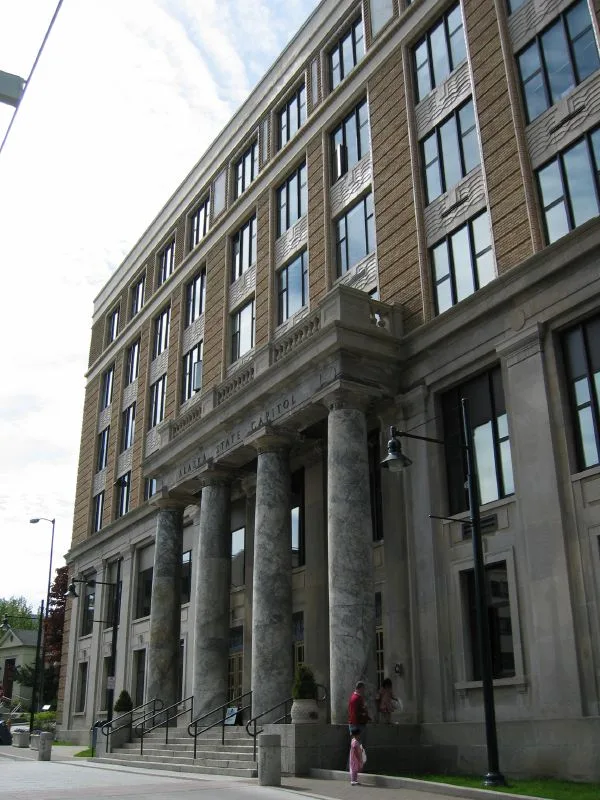
Kreiss-Tomkins will be sworn in on December 7, 2026. His lieutenant governor is Zac Johnson, an independent, which fits the bipartisan tone of the campaign. The transition will now begin in Juneau, where the incoming administration must prepare a budget, fill senior posts, and set out its first legislative agenda for the Alaska State Capitol.
The new governor will face immediate tests. Turning campaign promises into law will require working with a legislature that includes Republicans, Democrats, and independents, and the bipartisan Cabinet he has promised will be an early sign of how he plans to govern.
The Bigger Picture: Democrats Now Hold 30 Governorships
The Alaska result is part of a much larger Democratic wave in governor races. Democrats will control 30 governorships, up from 24 before the November 3 midterms. They flipped six Republican-held seats: Alaska, Georgia, Iowa, Nevada, Ohio, and Texas. Republicans flipped none. Of the 36 governor races on the ballot, Democrats won 24.
That shift gives Democrats a stronger hand in state policy across the country, from education funding to energy rules to voting laws, and the new balance of power will shape debates in Washington as well. For more on how national institutions are shaping the political landscape, see our coverage of the Supreme Court asylum ban ruling.
The scale of the Democratic gains surprised many observers, and Alaska stands as the most symbolic of the six flips. A state that had not elected a Democratic governor since 1998 will now be led by a 37-year-old Democrat who won with an outright majority.
Frequently Asked Questions
Who won the Alaska governor election?
Democrat Jonathan Kreiss-Tomkins won the Alaska governor election. The Associated Press called the race for him on Friday, November 14, and NBC News also projected him as the winner. He is a 37-year-old former state lawmaker from Sitka.
Why is the Alaska governor election result historic?
It is the first time a Democrat has been elected governor of Alaska since Tony Knowles won in 1998. Knowles left office in 2002, so Republicans had held the office for nearly three decades before this result.
How did ranked-choice voting affect the result?
Under Alaska’s ranked-choice voting system, a candidate who wins more than 50 percent of first-choice votes wins outright. Kreiss-Tomkins passed 50 percent late on Thursday with 88 percent counted, so no redistribution of second-choice votes was needed.
When will Jonathan Kreiss-Tomkins take office?
He will be sworn in as governor on December 7, 2026, succeeding term-limited Republican Governor Mike Dunleavy. His lieutenant governor is Zac Johnson, an independent.
Why This Result Matters
The Alaska governor election delivered one of the biggest surprises of the 2026 midterms. A 37-year-old Democrat from Sitka defeated three Republicans, won an outright majority under ranked-choice voting, and ended 28 years of Republican control of the governor’s office. He did it with a campaign built on affordability, schools, and a bipartisan message, and with endorsements that crossed party lines.
The result also fits a national pattern. Democrats flipped six Republican-held governor seats and will now control 30 governorships, while Republicans flipped none. For Alaska, the change is concrete: a new governor takes office on December 7, 2026, with promises to fund schools, fix the ferry system, and govern with a bipartisan Cabinet.