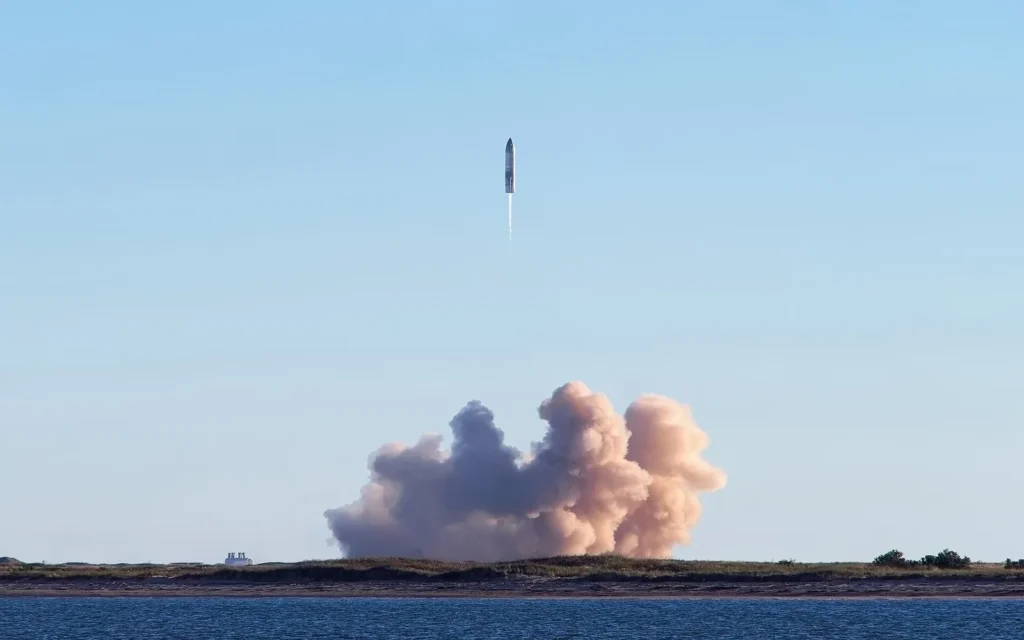
SpaceX Starship Flight 15 Reaches Orbit as Booster Explodes in the Gulf
SpaceX launched spacex starship flight 15 on Friday, November 13, 2026, sending the largest rocket ever built toward orbit and delivering a night of both success and drama. The upper stage reached orbit and deployed its
satellites, only the second time Starship has reached orbit. The Super Heavy booster, however, never made it back to the launch tower, and instead exploded in a fireball over the Gulf of Mexico after SpaceX called off the planned catch. The mission is not over, because the upper stage is due to attempt a first-ever catch of a spacecraft returning from orbit on Saturday, November 14.
Table of Contents
SpaceX Starship Flight 15 Lifts Off From Starbase
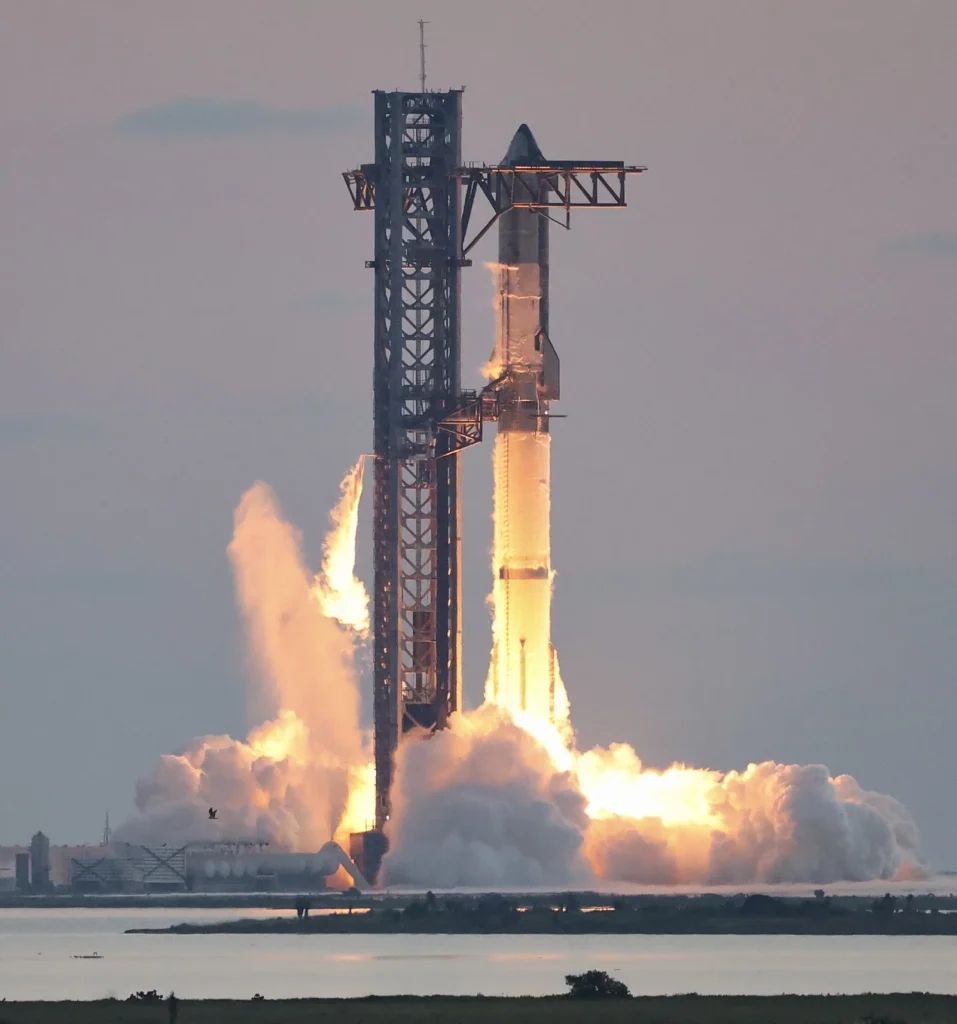
SpaceX launched Starship Flight 15 on Friday, November 13, 2026, from Starbase in South Texas at 4:47pm CST (5:47pm EST / 22:47 GMT). The combined vehicle is 124 metres tall, about 40 stories, with 33 Raptor engines on the Super Heavy booster. It was the 15th Starship test flight since 2023, and the second to carry a batch of operational Starlink satellites to orbit.
The launch itself went as planned, with the 33 Raptor engines lifting the huge vehicle off the pad at Starbase and sending it climbing into the Texas sky. The flight is a key test of Elon Musk’s effort to build a fully reusable rocket system, and the first hoped-for round-trip rocket voyage to orbit and back to the very spot it left Earth.
Ship 42 Reaches Orbit and Deploys Its Satellites
The upper stage, Ship 42, reached orbit about 27 minutes after launch, at around 6:13pm ET. That was only the second time Starship has reached orbit, a milestone that shows the upper stage can complete the climb that earlier test flights struggled with. Reaching orbit is the foundation of everything else the mission is meant to achieve.
Once in orbit, Ship 42 deployed 26 Starlink V3 satellites over about 42 minutes. The deployment was the second time a Starship flight has carried a batch of operational Starlink satellites to orbit, and it showed the vehicle working as a real delivery system rather than simply a test article.
The upper stage then settled into its planned long stay in orbit, with re-entry due after about 22.5 hours and about 14 orbits. That long flight will test the vehicle’s systems over far longer than a short hop to orbit and back, and it gives SpaceX time to check the spacecraft in orbit before asking it to come home.
The Super Heavy Booster and the Called-Off Catch
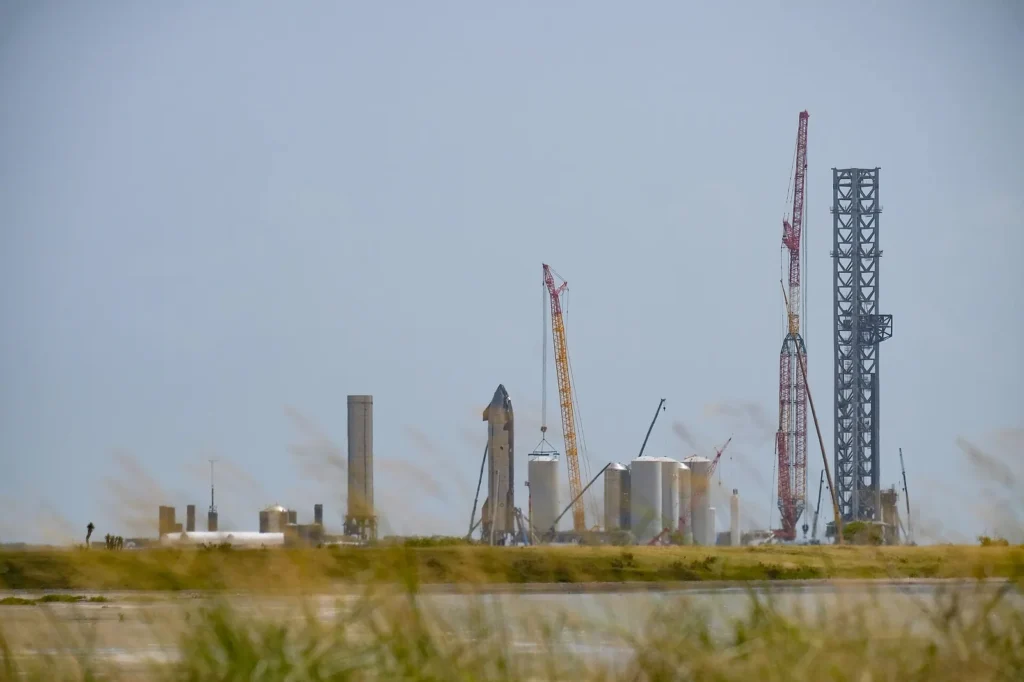
The Super Heavy booster, B22, was meant to return to the launch tower for a catch by the tower’s mechanical chopstick arms about 6.5 minutes after launch. The catch is one of the most striking parts of the Starship programme, because it involves a huge booster steering itself back to the tower and being caught in mid-air by the arms. Three previous boosters were caught by the launch tower, which shows the technique can work.
For reasons not immediately clear, SpaceX called off the catch and diverted the booster to a designated area over the Gulf of Mexico, where it exploded in a fireball over the sea. SpaceX did not immediately explain what prompted the decision. Version 3 of the Super Heavy is yet to make a successful return, which shows that the newest version of the booster still has work to do before it can be caught reliably.
What Comes Next: The First Return From Orbit
The mission is far from over, because the upper stage is still in orbit and its return is the most ambitious part of the flight. A first-ever catch of a spacecraft returning from orbit is scheduled for Saturday, November 14, at about 3:20pm CST (4:20pm EST / 21:17 GMT), only if all systems needed to guide it through the atmosphere are healthy.
The mission plan calls for the upper stage to re-enter after about 22.5 hours in orbit and about 14 orbits. SpaceX has fallback options to end the mission early with splashdowns off Hawaii and Chile, giving it a safe way to bring the upper stage down if the systems needed for the catch are not healthy.
That catch, if it goes ahead, would be a first in the history of spaceflight, because no spacecraft returning from orbit has ever been caught by a launch tower before. The timing means the upper stage will have spent a full day in space before it attempts to come home, testing its ability to survive in orbit and guide itself through re-entry, one of the hardest parts of any spaceflight.
Why This Flight Matters for Reusability
The flight is a key test of Elon Musk’s effort to build a fully reusable rocket system, and that goal is what makes Starship different from every rocket that came before it. A fully reusable system would mean both the booster and the upper stage can fly again, rather than being thrown away after a single use. The spacex starship flight 15 mission therefore captures both the promise and the difficulty of reusability in a single evening, with success in orbit and failure on the way home.
If Starship can fly to orbit and return to the launch site reliably, it could carry larger payloads and support bigger satellite networks. Technology watchers may also enjoy our report on Google Gemini 4 Hydrogen, and readers interested in the next generation of personal technology can read about Google smart glasses.
How Flight 15 Compares With the September Mission
SpaceX last launched Starship in September 2026, taking the rocket and a payload of satellites to orbit for the first time despite some rocket engines shutting down mid-flight. That mission ended after roughly three hours with an upper stage splashing down intact into the Pacific Ocean before bursting into flames.
Flight 15 built on that September success by reaching orbit for only the second time and deploying 26 Starlink V3 satellites. The September mission lasted roughly three hours, while this flight is planned to last about 22.5 hours in orbit, which shows how much more ambitious the test programme has become in just two months. The spacex starship flight 15 test therefore adds another chapter to a programme that is advancing flight by flight.
Frequently Asked Questions
When did Starship Flight 15 launch?
SpaceX launched Starship Flight 15 on Friday, November 13, 2026, from Starbase in South Texas at 4:47pm CST (5:47pm EST / 22:47 GMT). It was the 15th Starship test flight since 2023 and the second to carry operational Starlink satellites to orbit.
Did the upper stage reach orbit?
Yes. The upper stage, Ship 42, reached orbit about 27 minutes after launch, at around 6:13pm ET, only the second time Starship has reached orbit. It then deployed 26 Starlink V3 satellites over about 42 minutes.
What happened to the Super Heavy booster?
The Super Heavy booster, B22, was meant to return to the launch tower for a catch by the tower’s mechanical chopstick arms about 6.5 minutes after launch. SpaceX called off the catch for reasons not immediately clear and diverted the booster to a designated area over the Gulf of Mexico, where it exploded in a fireball over the sea.
What happens next for the mission?
The spacex starship flight 15 upper stage is due to re-enter after about 22.5 hours in orbit, with a first-ever catch of a spacecraft returning from orbit scheduled for Saturday, November 14, at about 3:20pm CST, only if all systems are healthy. Readers can follow The Hindu’s report on the launch, and learn how to speed up an old laptop for free.