Iran Targets US Radar in Bahrain as US Shoots Down Two Drones
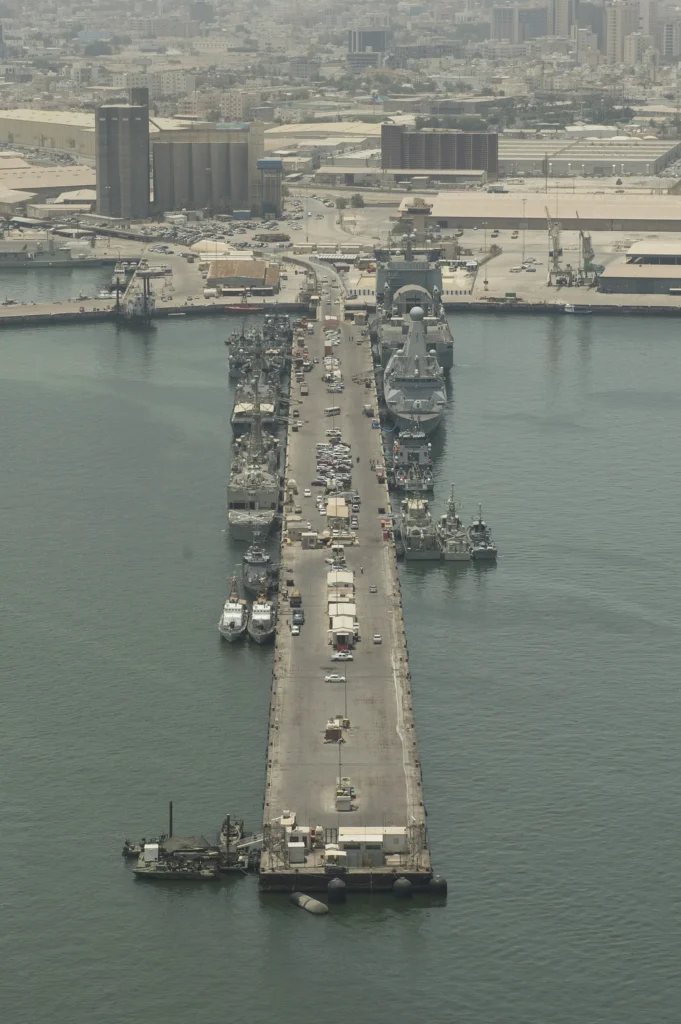
Iran said early Friday, November 13, that its forces targeted and destroyed a US early-warning radar system in Bahrain, in the Iran Bahrain radar incident that would be its first attempt to strike an American military facility in a Gulf state in more than two months. The US military later said American forces shot down two Iranian attack drones headed toward Bahrain and reported no injuries or damage, and it called Iran’s claim that the radar was hit false.
The two accounts conflict, and the key facts are now clear on one side and unconfirmed on the other. What is confirmed by the United States is that two drones were launched toward Bahrain and both were intercepted. What is not independently verified is the Iran Bahrain radar claim that the radar itself was destroyed, and Bahrain’s government had not publicly confirmed damage to the radar site as of Friday morning.
Table of Contents
What Iran Claims Happened
Iran’s Islamic Revolutionary Guard Corps said its aerospace forces targeted the Iran Bahrain radar in retaliation for what it described as an American attack on Iranian territory. “A few hours ago, the IRGC’s aerospace forces, in response to the enemy’s aerial aggression against a communication tower in Sirik, targeted and destroyed the early warning radar of the aggressor US military in Bahrain,” the Guard said, according to the semi-official Tasnim news agency. It added that “this is a serious warning” to Washington.
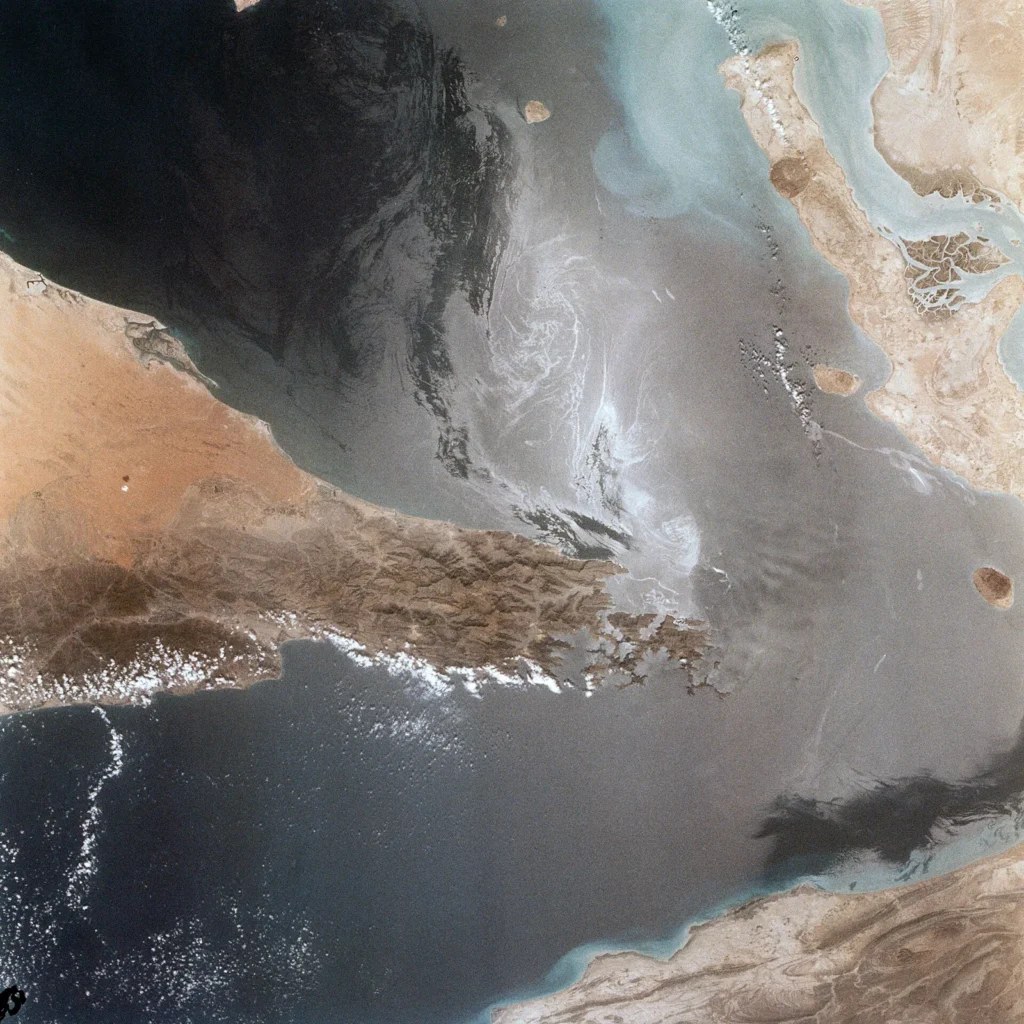
Sirik is a port city in southern Iran on the Strait of Hormuz. The Guard said the attack on the telecommunications tower there came first, and presented the Bahrain strike as its answer. Neither the reported strike in Sirik nor the claimed destruction of the radar has been independently verified.
The Guard’s navy also said a tanker carrying liquefied natural gas struck a naval mine and suffered an explosion in the Strait of Hormuz while using what it called an unauthorized and dangerous route. That claim has also not been independently verified.
What the US Military Says on the Iran Bahrain Radar Claim
US Central Command, the American command covering the region, said later on Friday that the Guard launched two one-way attack drones toward Bahrain and that both were shot down by American forces. “There were no injuries or damage,” CENTCOM said in a statement posted on X. CNN reported that CENTCOM said the claim that Iran attacked a radar system was false.
The American account means the attempted attack failed before it reached its target, if the drones were indeed aimed at the radar. It also means the Iran Bahrain radar, which forms part of the US early-warning network in the Gulf, was not hit, according to the US military. No independent evidence has yet been published that would settle the two competing claims either way.
Bahrain hosts the US Navy’s Fifth Fleet and the headquarters of US Naval Forces Central Command, making it one of the most important American military hubs in the region. An attack on a US installation there, even an unsuccessful one, is a significant escalation in a conflict that has mostly played out at sea in recent weeks.
A Conflict That Has Mostly Avoided Gulf Bases
The incident breaks a pattern. While the US has continued striking Iranian targets around the Strait of Hormuz in recent weeks, Tehran has largely refrained from attacking American military installations in Gulf states since early September, focusing instead on disrupting shipping through the waterway.
That restraint has now ended, at least for this incident. It is the first time in more than two months that Iran has tried to strike a US military facility in a Gulf state, and it comes as attacks on shipping reach record levels. October recorded 37 vessel attacks in the Strait of Hormuz, according to Lloyd’s List, the highest monthly total of the conflict, and at least 14 more were confirmed in November.
Despite the attacks, oil has continued to flow through the waterway, with Middle East exports recovering faster than global oil demand. The International Energy Agency said Friday that the oil market is “showing tentative signs of rebalancing,” and that global oil supplies are surpassing demand for the first time since the outbreak of the Iran war.
The Political Backdrop: No Deal, and Vance Pulled Off Iran
The Bahrain incident came a day after President Donald Trump said the United States no longer needs a deal with Tehran and ordered Vice President JD Vance to turn his focus elsewhere. “We don’t need a deal with Iran. Those days have long since passed!” Trump posted on Truth Social on Thursday. “We’ve got their money, Hundreds of Billions of Dollars, and we’ve got their Strait!”
Trump also directed Vance, who had been tasked with leading negotiations with Iran, “to focus his complete and total attention” on rooting out corruption and crime in Democratic states and cities. The move effectively took the vice president off the Iran file at the very moment the conflict was escalating again.
Iran has warned that it will not accept a stalemate as it comes under intense economic pressure from punishing US sanctions and a naval blockade. Iranian President Masoud Pezeshkian said on Monday that Supreme Leader Mojtaba Khamenei had instructed his government “to end the state of neither war nor peace,” telling him to “finish” the war with the US. He said the Islamic Republic “can negotiate with dignity, and can finish it (the war) with dignity.”
Iran has also warned that any new escalation would prompt it to dramatically expand its attacks, potentially targeting US interests as far away as Europe.
What Happens Next
The immediate question is whether the Bahrain incident is a one-off warning shot or the start of a wider round of direct attacks on US bases. The US response so far has been to deny Iran’s claim and report the interception, without announcing retaliation. Iran, for its part, has framed the attack as a warning and has not said it will repeat it.
What to watch in the coming days is whether either side releases evidence about the Iran Bahrain radar site, whether shipping attacks in the Strait of Hormuz continue at their current pace, and whether the Trump administration answers the drone launch with a strike of its own. Until then, the facts stand as the US military has stated them: two drones launched, two drones shot down, no injuries and no damage.
FAQs
Did Iran destroy a US radar in Bahrain?
Iran’s Revolutionary Guard claims its forces targeted and destroyed a US early-warning radar in Bahrain in the Iran Bahrain radar incident. The US military says that claim is false, and says both drones launched toward Bahrain were shot down with no injuries or damage. The radar claim has not been independently verified.
What did the US military confirm about the Bahrain incident?
US Central Command confirmed that the IRGC launched two one-way attack drones toward Bahrain, that American forces shot both down, and that there were no injuries or damage.
Why did Iran say it attacked Bahrain?
Iran said the attack was retaliation for what it described as an American attack on a telecommunications tower in the Iranian port city of Sirik, on the Strait of Hormuz.
Is this the first Iranian attack on a US base in the Gulf in months?
Yes. It is the first attempt to strike a US military facility in a Gulf state in more than two months, since early September. Iran had recently focused on disrupting shipping instead.
What did Trump say about Iran this week?
On Thursday, Trump posted on Truth Social that the US does not need a deal with Iran, and he directed Vice President JD Vance to stop leading Iran negotiations and focus on corruption and crime in Democratic states and cities.