ULA Vulcan Rocket Failure Destroys 40 Amazon Leo Satellites
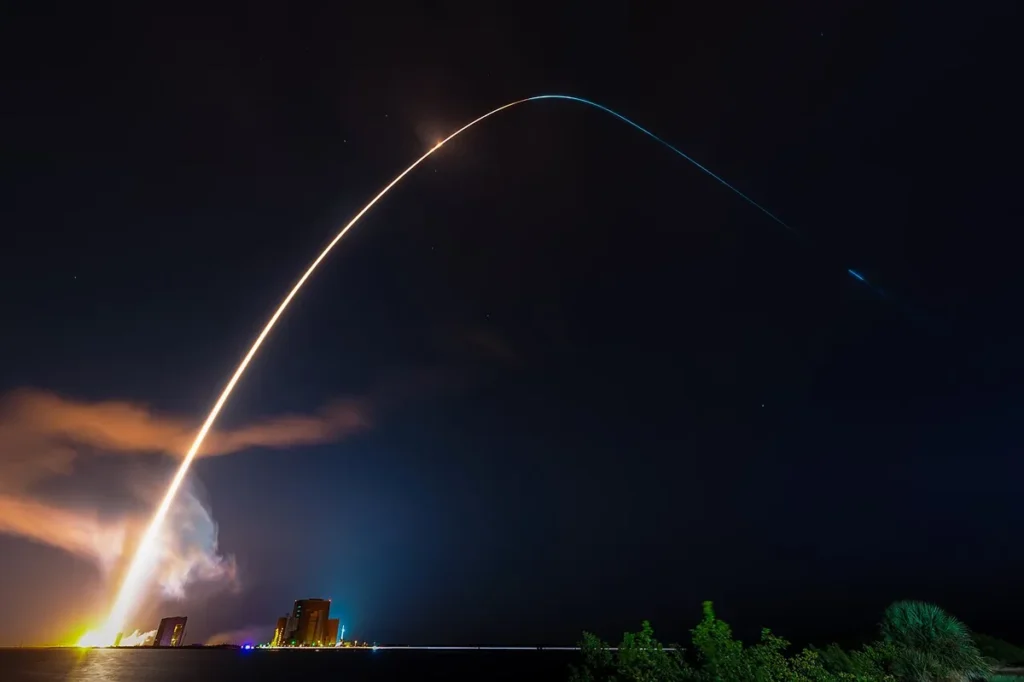
A United Launch Alliance Vulcan rocket failed on Sunday, 15 November 2026, about 10 minutes after liftoff from Cape Canaveral Space Force Station in Florida, destroying all 40 Amazon Leo internet satellites on board. The failure ended a perfect mission record ULA had held since the company was formed in 2006, and it dealt a setback to Amazon’s plan to build a low Earth orbit satellite internet network to rival SpaceX Starlink.
The 214 foot tall rocket lifted off from Space Launch Complex 41 at 12:40 p.m. ET, carrying 40 Amazon Leo satellites. The early part of the flight looked normal, but during the burn of the hydrogen fueled Centaur upper stage, something went wrong. About 50 minutes after liftoff, ULA confirmed the mission was lost.
“Based on data received by our Launch Director, we confirm that the Vulcan vehicle launched from Space Launch Complex 41 suffered an anomaly 10 minutes into the flight and failed to deliver the Amazon mission to orbit,” ULA said in a statement.
Table of Contents
What happened during the ULA Vulcan rocket failure
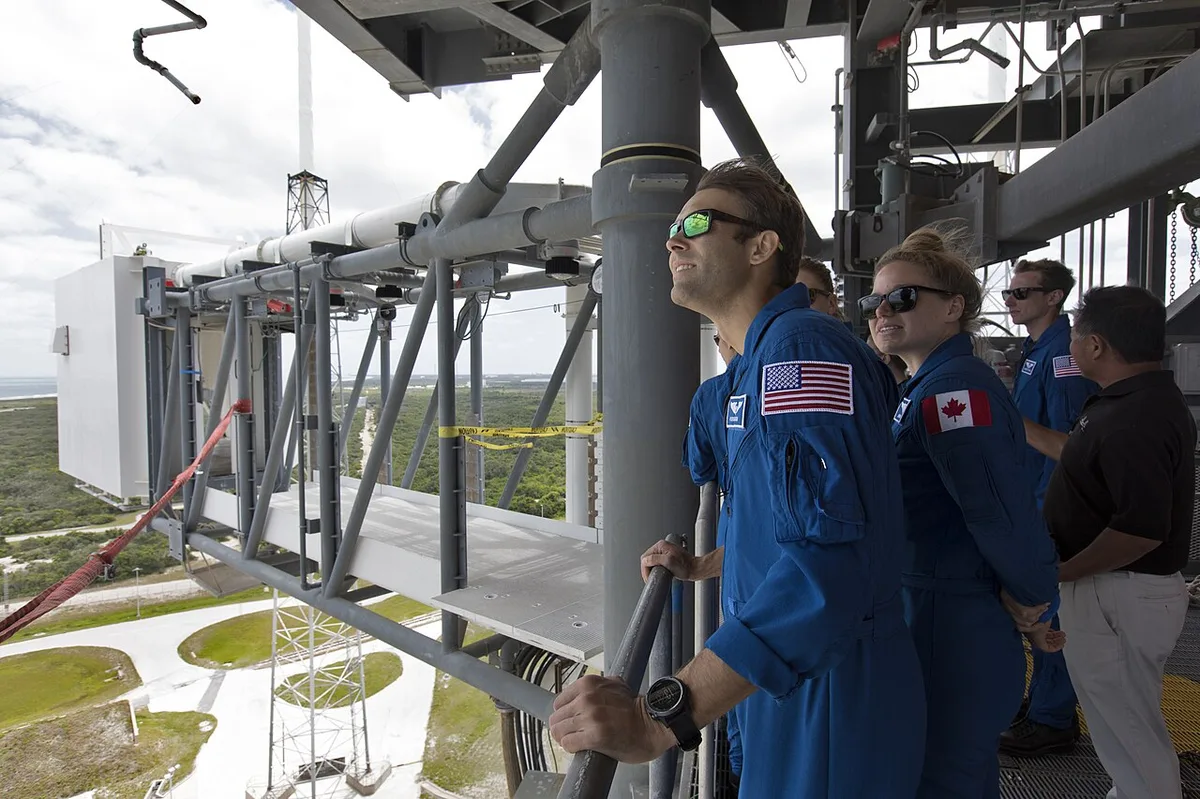
Sunday’s Cape Canaveral launch, known as the LV-01 mission, was the first of 38 Vulcan flights that Amazon has purchased to build out its Leo constellation. It was only the fifth flight of a Vulcan rocket since the vehicle debuted in January 2024, and its first launch in nine months, after ULA and Northrop Grumman worked to fix nozzle problems on the strap on solid fuel boosters that had affected two earlier flights.
The road to liftoff was troubled. A launch attempt on Friday was scrubbed after problems knocked out a gaseous nitrogen plant serving several launch providers at Cape Canaveral, and another attempt was delayed on Saturday by network problems. On Sunday, controllers called a hold at the T-minus 20 second mark, then retargeted the end of the launch window and lifted off. It is not yet known whether the countdown issue played any role in the failure.
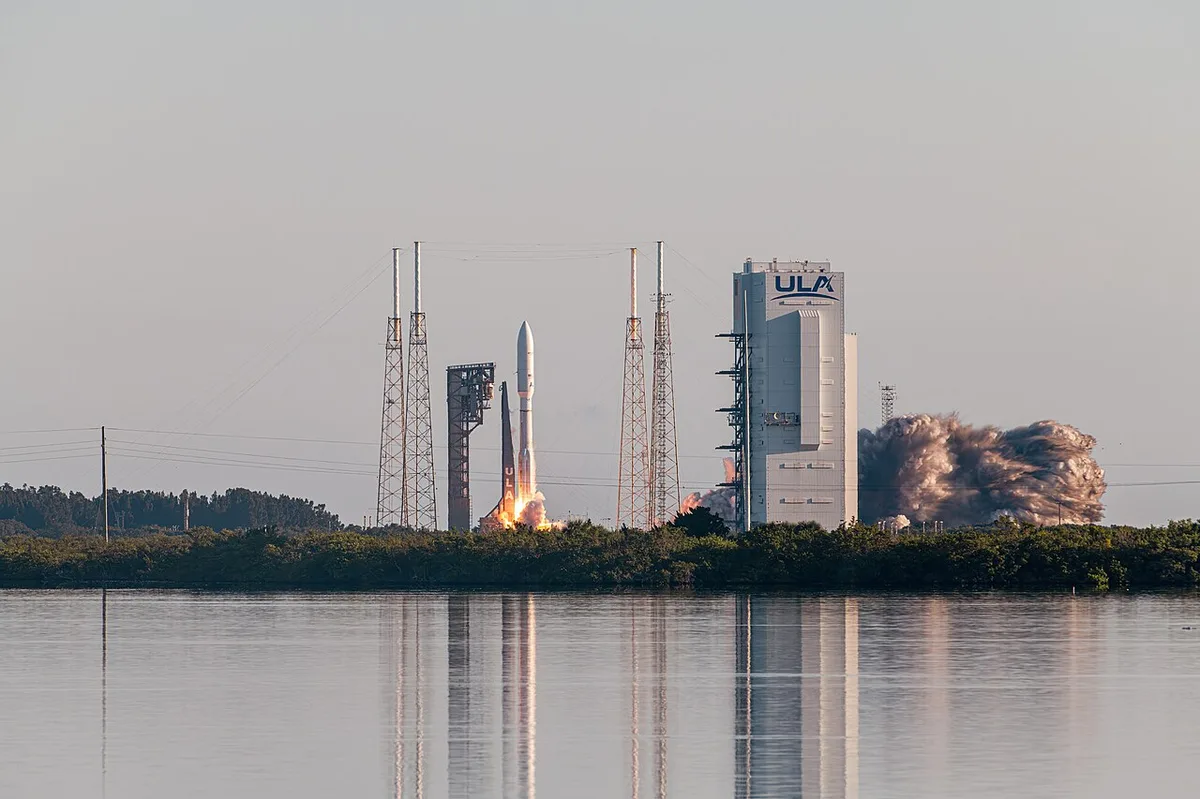
Once airborne, the six solid rocket boosters appeared to work normally, pushing the rocket out of the dense lower atmosphere on 3.8 million pounds of thrust before burning out and falling away. But the first stage appeared to burn longer than called for in ULA’s pre launch timeline, and stage separation came later than expected.
| Mission fact | Detail |
|---|---|
| Rocket | ULA Vulcan Centaur, 214 feet tall |
| Launch site | Space Launch Complex 41, Cape Canaveral Space Force Station, Florida |
| Liftoff | Sunday, 15 November 2026, 12:40 p.m. ET |
| Payload | 40 Amazon Leo internet satellites |
| Anomaly | About 10 minutes into flight, during the Centaur upper stage burn |
| Outcome | Payload lost, mission failed to reach orbit |
A first failure in 20 years for ULA
The Vulcan rocket launch failure is historic for ULA. It was the company’s first outright mission failure since the Boeing and Lockheed Martin joint venture was formed in 2006. For two decades, ULA built its reputation on reliability, flying national security payloads, NASA science missions and commercial satellites without losing a mission. That record is now broken, and the company acknowledged it plainly: “Today, we did not meet that standard,” ULA said, referring to its standard of mission success.
The failure is especially painful because Vulcan is ULA’s future. The rocket is replacing the Atlas 5 fleet, and it is meant to carry the heaviest payloads for the U.S. Space Force, NASA and commercial customers. Vulcan had already been under pressure. After nozzle failures on the second Vulcan flight in October 2024 and on a national security mission in February 2026, both of which still reached orbit, the Space Force put Vulcan launches of national security payloads on hold. ULA says it has identified three credible causes for the nozzle issue and taken steps to mitigate all of them.
Longtime chief executive Tory Bruno left last December for Blue Origin, and Mark Peller, who led Vulcan’s development, was named chief executive in August.
What went wrong during the Centaur burn
The cause of the failure is not yet known. What is known is that the anomaly came during the burn of the Centaur upper stage, the part of the rocket that carries the payload the rest of the way to orbit after the first stage separates. The Centaur is powered by two RL10 engines made by L3Harris.
The Centaur has been one of the most reliable upper stages in spaceflight history, flying for decades on Atlas rockets before it was adapted for Vulcan. That history makes a failure during its burn particularly surprising, and investigators will look closely at the stage’s engines, its propellant systems and the separation event that handed the mission over to it. A telemetry driven animation also showed the Centaur making unusual orientation adjustments early in its burn.
The boosters, by contrast, appeared to perform normally, burning out and separating about a minute and 40 seconds after liftoff, exactly as planned, and ULA flew the mission with an improved nozzle design.
The rocket’s BE-4 engines also carried a fix. The engines, built by Jeff Bezos owned Blue Origin, were retrofitted after a valve problem caused a New Glenn rocket to explode during a ground test in May. Blue Origin is now working with ULA on the investigation, and NASA has offered its help too. NASA Administrator Jared Isaacman wrote on X that NASA was available to assist, adding that Artemis, the planned Moon base and the nation need ULA. A lengthy investigation is expected, and reports say it could keep the Vulcan rocket grounded for months.
What the loss means for Amazon Leo
For Amazon, the failure is a costly delay, but the timing hurts. Amazon Leo, formerly known as Project Kuiper, is Amazon’s planned challenger to SpaceX’s Starlink internet service, and Vulcan was meant to be its workhorse. Amazon has purchased 38 Vulcan launches, and the rocket was slated to carry more than 1,500 of Amazon’s first generation satellites, more than any other rocket in the program.
Before Sunday, Amazon had launched 396 Leo satellites on 14 missions since April 2025. Sunday’s flight would have pushed the total launched to 436. The larger Vulcan carried 40 satellites, compared with 29 on the last Atlas 5 launch in July. Amazon has also booked 24 launches on Blue Origin’s New Glenn rocket, 24 on the European Ariane 6 and 13 on SpaceX’s Falcon 9 rockets.
Amazon said on X that there is risk with any launch, and that this is especially true for inaugural missions like LV-01. Amazon added that ULA has been a trusted partner and that it believes ULA will learn from the mission.
The Federal Communications Commission gave Amazon permission in June to keep deploying satellites even if it missed its deadline to put 1,616 satellites into service. Amazon still has until 30 July 2029 to deploy and operate all 3,232 first generation satellites.
The contrast with SpaceX is stark. Starlink already operates thousands of satellites and serves customers around the world, while Amazon is still building its constellation. Readers following the space race can see how quickly the field is moving in our coverage of the SpaceX Starship catch and the SpaceX Starship Flight 15 mission. Amazon’s next scheduled Leo launch is an Ariane 6 mission carrying 36 satellites, targeted for 23 November at the earliest, while its Vulcan flights wait for ULA’s investigation. For the fullest account of the failure, see the detailed reporting at Spaceflight Now.
Frequently asked questions
What caused the ULA Vulcan rocket failure?
The cause is not yet known. ULA has confirmed only that a launch anomaly struck the Vulcan rocket about 10 minutes into flight, during the burn of its Centaur upper stage, and failed to deliver the Amazon mission to orbit. A lengthy investigation is now under way.
How many Amazon Leo satellites were lost?
All 40 Amazon Leo internet satellites on board were destroyed. Sunday’s flight was the first of 38 Vulcan launches Amazon has purchased, and it would have taken the total number of Leo satellites launched to 436. Amazon still has 396 Leo satellites in orbit.
Was this ULA’s first ever mission failure?
It was ULA’s first outright mission failure since the company was formed in 2006 as a joint venture between Boeing and Lockheed Martin, and the first failure for the Vulcan rocket, which had flown four times before Sunday.
When is Amazon’s next Leo satellite launch?
Amazon’s next scheduled Leo launch is an Ariane 6 mission carrying 36 satellites, targeted for 23 November 2026 at the earliest. Amazon’s Vulcan launches are on hold until ULA completes its investigation.
How does the failure affect Amazon Leo vs Starlink?
The failure delays Amazon’s effort to catch up with SpaceX Starlink, which already operates a large satellite internet constellation. Amazon still has regulatory deadlines to meet, including deploying all 3,232 first generation satellites by 30 July 2029.