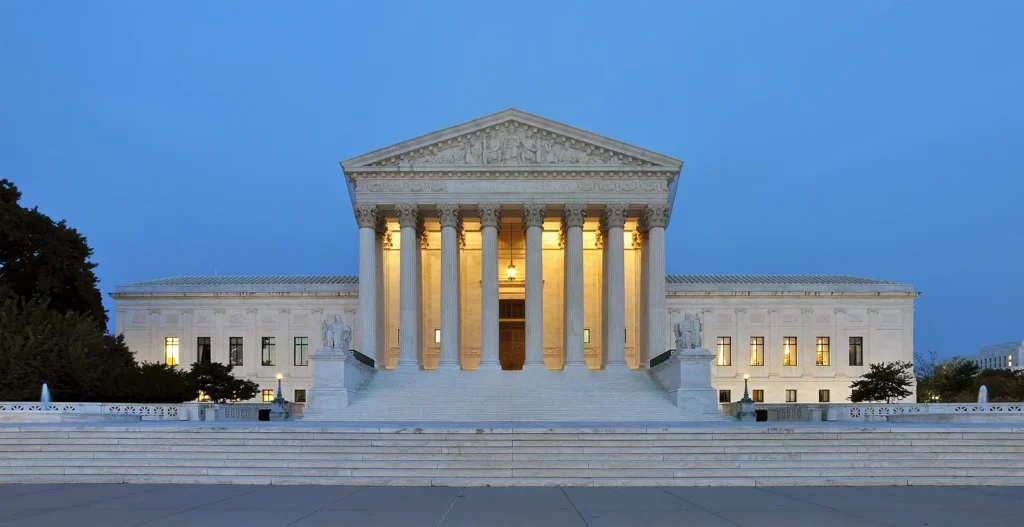
Supreme Court Will Decide Whether Trump Can Ban Asylum at the Border
The US Supreme Court agreed on Friday, November 13, 2026 to decide the legality of President Donald Trump’s restrictions on access to asylum at the US-Mexico border, and the supreme court asylum ban case will now test one of the most consequential immigration policies of his second presidential term. The case is Mullin v. Refugee and Immigrant Center for Education and Legal Services (RAICES), No. 26-239. It asks whether a president can use a proclamation to suspend asylum for people who cross the border between ports of entry. This article explains what the Court agreed to decide, how the case reached it, and when a ruling will come.
Table of Contents
The Court Takes the Case
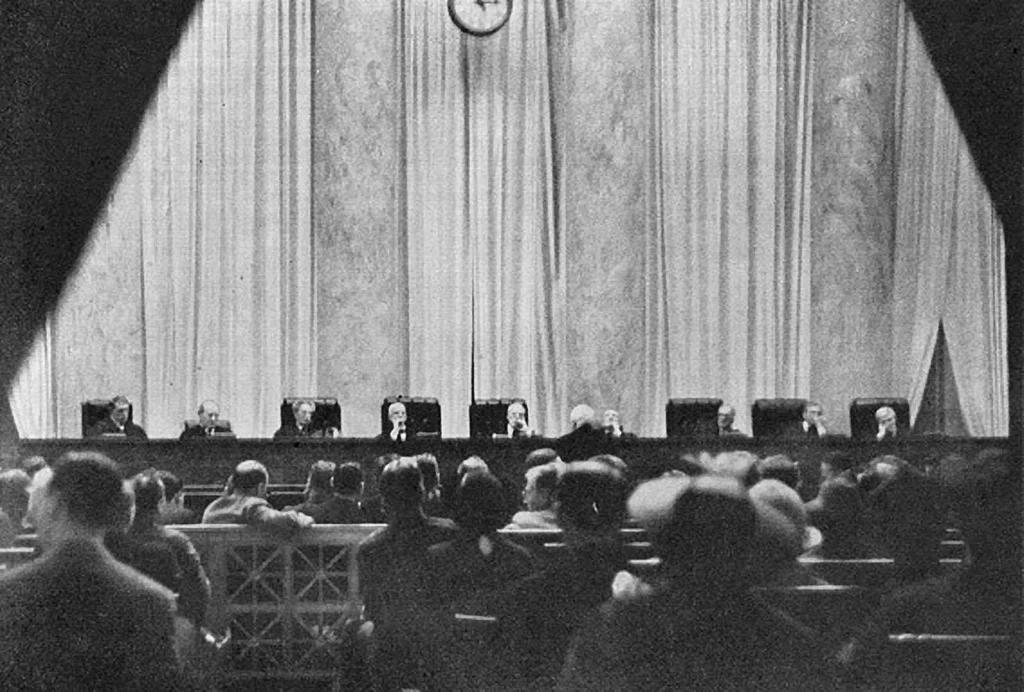
The Court agreed to take the case on November 13, 2026, and the announcement immediately made it one of the most important immigration cases on the Court’s docket. The case is Mullin v. Refugee and Immigrant Center for Education and Legal Services (RAICES), No. 26-239. RAICES is the respondent, and its name reflects the work it does for migrants and refugees seeking legal help.
The justices are not starting from a blank page. Lower courts found Trump exceeded his authority by denying migrants caught entering the country illegally the chance to apply for asylum, and the supreme court asylum ban case now asks the justices to decide whether those courts were right or wrong. The government is asking the Court to reverse the lower courts, while the challengers are asking it to leave those rulings in place.
The full D.C. Circuit denied rehearing on July 23, 2026 and held its mandate while the government sought Supreme Court review. The D.C. Circuit is the federal appeals court that heard the case below the Supreme Court. Holding its mandate kept the ruling on pause while the government prepared its appeal, so the case could move to the Supreme Court without the lower court’s judgment taking full effect.
The Supreme Court has a 6-3 conservative majority and has been largely deferential to Trump in his second presidential term in challenges to his immigration policies, Reuters reported. That is background, not a forecast, because each case turns on its own questions and its own record, and the justices will hear arguments before they rule.
The Border Policy at the Centre of the Case
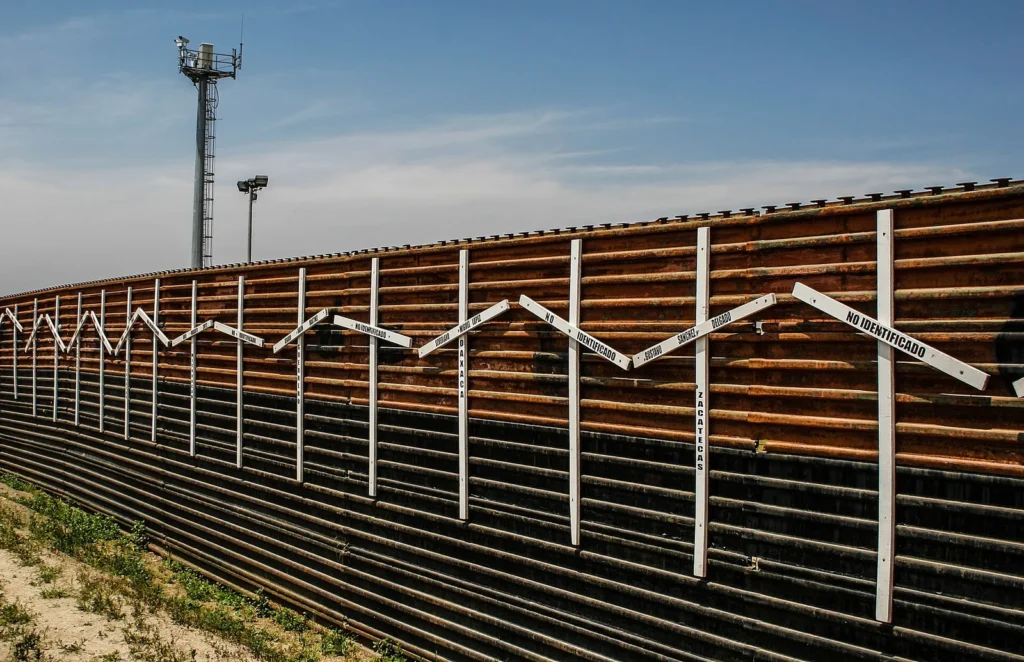
Trump announced the policy hours into his second presidential term on January 20, 2025, signing Proclamation 10888, “Guaranteeing the States Protection Against Invasion”, which suspended the entry of noncitizens crossing between ports of entry and cut off their access to asylum. The speed matters: hours into a new term, on the first day in office, the president signed a proclamation that changed the position of people arriving at the southern border. Trump has described the influx of migrants as an invasion.
The proclamation did two things at once. It suspended the entry of noncitizens crossing between ports of entry, and it cut off their access to asylum. Ports of entry are the official crossing points, where people present themselves to border officials. Crossings between ports of entry are the places where people enter without going through an official point, and the proclamation targeted those crossings.
The ban stays in force while the case goes on. The asylum-related parts of the lower-court judgment have been on hold since August 2025, and the D.C. Circuit kept its own ruling on hold while the government appealed. The restrictions continue to apply even though lower courts found the policy unlawful. The administration has credited the policy with helping reduce border crossings.
What the Justices Agreed to Decide
The Court granted the government’s petition only on Questions 1 and 2: whether the proclamation and the Homeland Security guidance carrying it out are lawful, including whether the president has statutory power under Section 212(f) of the Immigration and Nationality Act to categorically bar migrants from seeking asylum. That grant defines the scope of the case, and the justices will consider the president’s statutory power under Section 212(f), the provision the government points to as the source of its authority.
The question of categorical action is central. The issue is not whether the president can bar one person in a particular case, but whether he can categorically bar migrants as a group from seeking asylum. A categorical bar applies across the board, to a defined class of people, rather than case by case. That is what the proclamation did for noncitizens crossing between ports of entry, and that is what the Court will examine in the supreme court asylum ban case.
It declined to review the third question, about the certified class definition. That decision limits the case: the Court will not decide how the class of affected people was defined and certified in the lower courts, and that part of the dispute will remain as the lower courts left it. The case will now be briefed and argued on Questions 1 and 2, and the decision will address them.
Supreme Court Asylum Ban: What Happens Next
Arguments are expected in spring 2027 and a decision is expected by the end of June 2027. No date has been set. The case will be argued in the spring, when the Court hears oral arguments in its regular term, and the decision will come before the term ends at the end of June.
The absence of a set date is normal at this stage. The Court agreed to take the case on November 13, 2026, and the schedule for arguments is set after that, as part of the Court’s calendar for the term. Readers should watch for the Court’s argument calendar as the spring approaches.
While the case waits, the ban stays in force, because the asylum-related parts of the lower-court judgment have been on hold since August 2025 and the D.C. Circuit kept its own ruling on hold. The policy will continue to apply at the border while the briefing and the argument take place, and it will remain in force until the Court rules.
Why the Case Matters for Border Policy
The case matters because it will settle whether a president can use a proclamation under Section 212(f) to categorically bar migrants from seeking asylum when they cross between ports of entry. That is a question about the limits of presidential power, and its answer will shape how future presidents can act at the border. If the Court upholds the policy, it will confirm a broad reading of the president’s power. If it strikes the policy down, it will confirm the lower courts’ view that the president exceeded his authority.
The stakes are practical as well as legal, because the policy is already in force. A ruling either way will be read as a landmark for immigration law, and the supreme court asylum ban ruling will be watched by the people affected, the officials who enforce the policy, and the lawyers who challenged it. The decision is expected by the end of June 2027.
Frequently Asked Questions
What did the Supreme Court decide on November 13, 2026?
The Court agreed to decide the legality of President Donald Trump’s restrictions on access to asylum at the US-Mexico border, in Mullin v. Refugee and Immigrant Center for Education and Legal Services (RAICES), No. 26-239.
What is Proclamation 10888?
Proclamation 10888, titled “Guaranteeing the States Protection Against Invasion”, was signed on January 20, 2025, hours into Trump’s second presidential term. It suspended the entry of noncitizens crossing between ports of entry and cut off their access to asylum.
What questions will the Court decide?
The Court granted review only on Questions 1 and 2: whether the proclamation and the Homeland Security guidance are lawful, including whether the president has statutory power under Section 212(f) to categorically bar migrants from seeking asylum. It declined to review the third question, about the certified class definition.
Does the ban stay in force while the case goes on?
Yes. The ban stays in force while the case goes on. The asylum-related parts of the lower-court judgment have been on hold since August 2025, and the D.C. Circuit kept its own ruling on hold while the government appealed.
When will the Court rule?
Arguments are expected in spring 2027 and a decision is expected by the end of June 2027. No date has been set.
For context on enforcement, see ICE deportations hit a record in fiscal year 2026. Tariffs have also touched border policy, as Trump threatened to double Mexico tariffs. For a practical guide on a different legal topic, see how to write a simple will in the US. For the original reporting, see the Reuters report on the Supreme Court taking up the case.