Mamdani Disbands NYPD Strategic Response Group in Protest Policing Overhaul
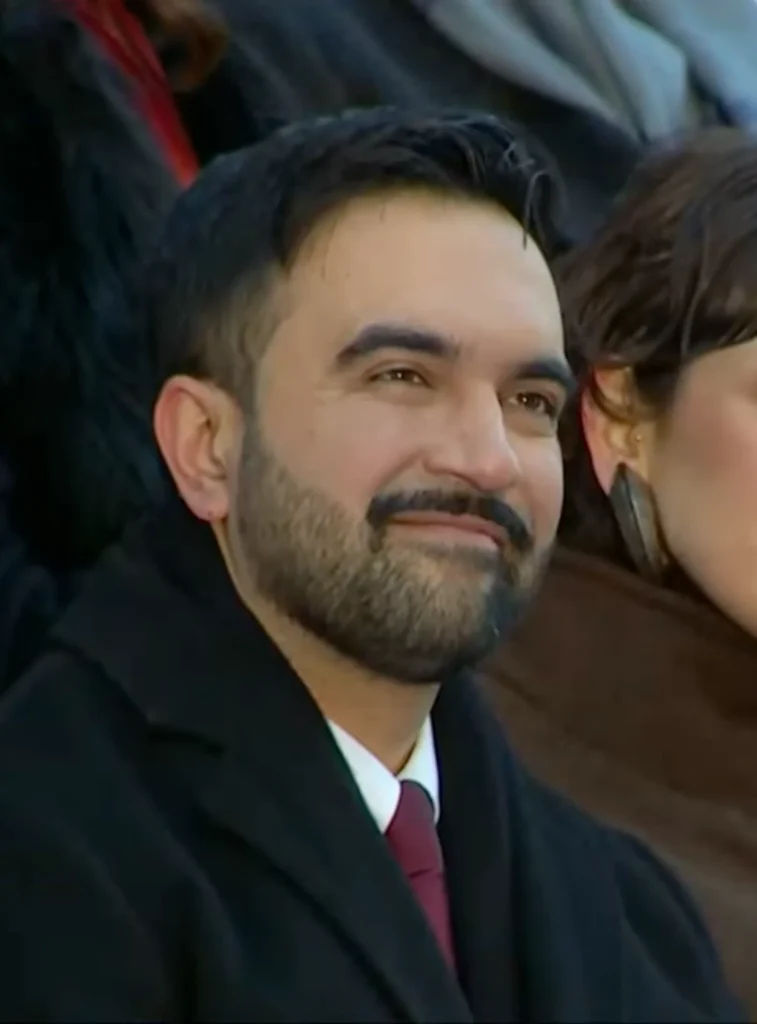
Mamdani disbands NYPD SRG, the controversial Strategic Response Group, in the most sweeping change to New York City policing since he took office at the start of the year. Mayor Zohran Mamdani announced the decision on Monday, November 16, alongside NYPD Commissioner Jessica Tisch, fulfilling a key campaign promise to separate protest policing from counterterrorism and to end the unit’s aggressive approach to demonstrations.
The SRG was created in 2015 with a counterterrorism focus, but it became the unit most often deployed to protests, where it drew allegations of excessive force and violations of protesters’ constitutional rights. Under the restructuring, its roughly 500 officers will be reassigned within the department before next spring, its counterterrorism duties will move to the NYPD’s Intelligence and Counterterrorism Bureau, and protest response will pass to new units built around dialogue and de-escalation. The city will also formally ban kettling and restrict tear gas and long guns during protests.
Table of Contents
What Was the NYPD Strategic Response Group
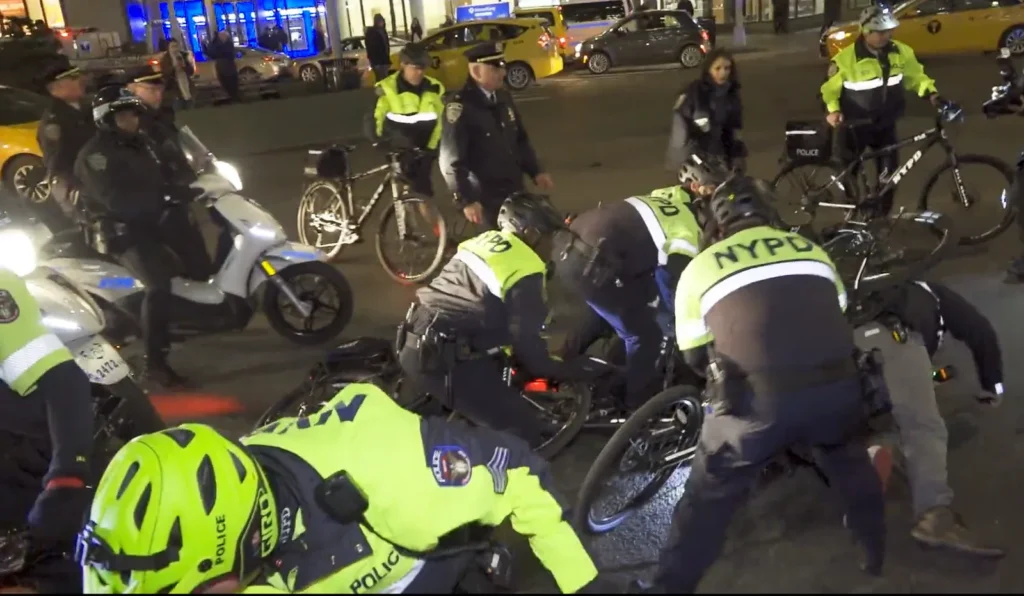
The Strategic Response Group was set up in 2015 as a specialised NYPD unit for counterterrorism and the policing of protests and riots. Over the following decade it became the department’s default response to large demonstrations, and it drew sustained criticism for how it handled them. Officers were accused of using excessive force against protesters, and the unit faced particular scrutiny during the 2020 Black Lives Matter demonstrations in New York City, when officers were accused of using pepper spray and mass arrests against people in the streets.
The criticism turned into legal action. New York Attorney General Letitia James, the New York Civil Liberties Union and others sued over the use of force against protesters, journalists and legal observers during the 2020 demonstrations. The case ended in a 2023 legal settlement that rebuked the unit. A separate investigation by the city’s Department of Investigation found that the NYPD had used excessive force in violation of demonstrators’ First Amendment rights, and that the SRG had played a central role in policing the 2020 protests.
Mamdani made disbanding the unit a central promise of his 2025 mayoral campaign. “During our campaign for mayor, I promised to disband the NYPD’s Strategic Response Group, known as the SRG,” he said in a video statement announcing the decision. “Today, we are keeping that promise.” The announcement also aligns with a legislative proposal by New York City Council member Chi Ossé known as the CURB Act, which would prevent the city from recreating the SRG or a similar unit under a different name. Mamdani endorsed that bill as part of the announcement.
Mamdani Disbands NYPD SRG: What Replaces the Unit
The restructuring separates the two jobs the SRG used to do. Counterterrorism is the first half: the unit’s counterterrorism functions, including heavy weapons deployments at critical infrastructure, will be consolidated within the NYPD’s Intelligence and Counterterrorism Bureau. The second half, protest response, is being rebuilt around new units and new rules.
The centrepiece is a new civilian-led Community Dialogue and De-escalation Division in the Mayor’s Office of Community Safety. Its members will be unarmed and will not have arrest powers, and they will work with a new NYPD unit, the First Amendment Support Team, to prepare for and respond to protests. The NYPD will also establish a Patrol Support Division, staffed by vetted officers trained in crowd management, which will be able to respond to demonstrations and make arrests when necessary. The civilian division will not be operational until 2028, according to Politico, so the First Amendment Support Team will lead protest response in the meantime.
The new rules also change what tactics officers may use. The administration will formally ban kettling, the tactic in which officers surround a group of demonstrators and physically restrict them to a limited area. The use of tear gas and long guns will be prohibited during protests and other First Amendment activities. Commissioner Tisch backed the restructuring, saying the changes would preserve the department’s ability to respond to serious threats while giving better support to officers handling protests. She said the department must remain willing to examine its operations and make improvements.
The administration said the new structure will be put in place without additional funding and without changes to the size of the NYPD workforce. The department’s headcount will remain the same, and the roughly 500 SRG officers will be reassigned to other roles before next spring. The reforms were under development since January, according to the administration, and they come after months of criticism from some of the mayor’s supporters that he had not done enough to reform public safety or the NYPD.
Reaction and What Happens Next
Civil liberties groups gave the announcement that Mamdani disbands NYPD SRG a cautious welcome. The New York Civil Liberties Union, which sued over the SRG’s conduct in 2020, welcomed the disbandment but expressed concern that the new Patrol Support Division might end up as a rebranding of the SRG rather than a real change. That concern is the central question now: whether the new structure changes how protests are actually policed on the street, or only changes the names on the organisation chart. The NYCLU’s work on policing and protest rights is published on its website, and you can read more about the organisation’s position on the NYCLU website (https://www.nyclu.org/).
Mamdani’s decision also matters beyond New York. The SRG became one of the most closely watched protest policing units in the United States after 2020, and its disbandment is the first time a major American city has dissolved a unit of this kind and replaced it with a civilian-led protest response. Other cities facing the same debate over how police handle demonstrations will be watching whether the new model works in practice. For background on how major US court decisions shape policing and civil rights, read our reports on Trump and the Supreme Court judges (https://globalymag.com/trump-supreme-court-judges/), the Scott Colom case (https://globalymag.com/scott-colom/) and Trump’s BBC lawsuit (https://globalymag.com/trump-bbc-lawsuit/).
The next test will come at the first large protest handled under the new rules. Until the civilian division is operational in 2028, the First Amendment Support Team will be the unit on the ground, and its conduct will show whether the ban on kettling and the restrictions on tear gas and long guns are enforced in practice. The CURB Act, if passed by the City Council, would lock the change in by barring a future mayor from recreating the SRG under another name.
Frequently Asked Questions
Why did Mamdani disband the NYPD SRG?
Mamdani disbands NYPD SRG after years of criticism over its handling of protests, including allegations of excessive force during the 2020 Black Lives Matter demonstrations. Disbanding the unit was a key promise of his 2025 mayoral campaign, and he announced the decision on November 16, 2026.
What was the NYPD Strategic Response Group?
The SRG was a specialised NYPD unit created in 2015 for counterterrorism and the policing of protests and riots. It was frequently deployed to demonstrations, where it drew allegations of excessive force, and it was rebuked in a 2023 legal settlement after the New York Attorney General and the NYCLU sued over its conduct in 2020.
What replaces the SRG?
Protest response will be handled by a new civilian-led Community Dialogue and De-escalation Division, which is unarmed and has no arrest powers, working with a new NYPD First Amendment Support Team. The NYPD will also create a Patrol Support Division. The SRG’s counterterrorism duties move to the Intelligence and Counterterrorism Bureau.
What protest tactics are now banned?
The administration formally banned kettling, in which officers surround demonstrators and restrict them to a limited area. The use of tear gas and long guns is also prohibited during protests and other First Amendment activities.
When will the new civilian unit be ready?
The Community Dialogue and De-escalation Division will not be operational until 2028, according to Politico. Until then, the NYPD’s First Amendment Support Team will lead protest response. The roughly 500 SRG officers will be reassigned within the department before next spring.
Conclusion
Mamdani disbands NYPD SRG in the biggest overhaul of New York protest policing in a decade, replacing a unit accused of excessive force with a civilian-led dialogue division and a new NYPD protest team, and banning kettling, tear gas and long guns at demonstrations. The change fulfils a campaign promise and follows a 2023 settlement over the unit’s conduct in 2020, but civil liberties groups warn the new Patrol Support Division must not become the SRG under another name. Whether the reform works will be judged at the next large protest, and by whether the CURB Act locks it in for good.